
TL;DR

Get home appliances delivered free with Prime
- Fast, free delivery on millions of items
- Prime Video, Amazon Music and more included
- Member-only deals all year
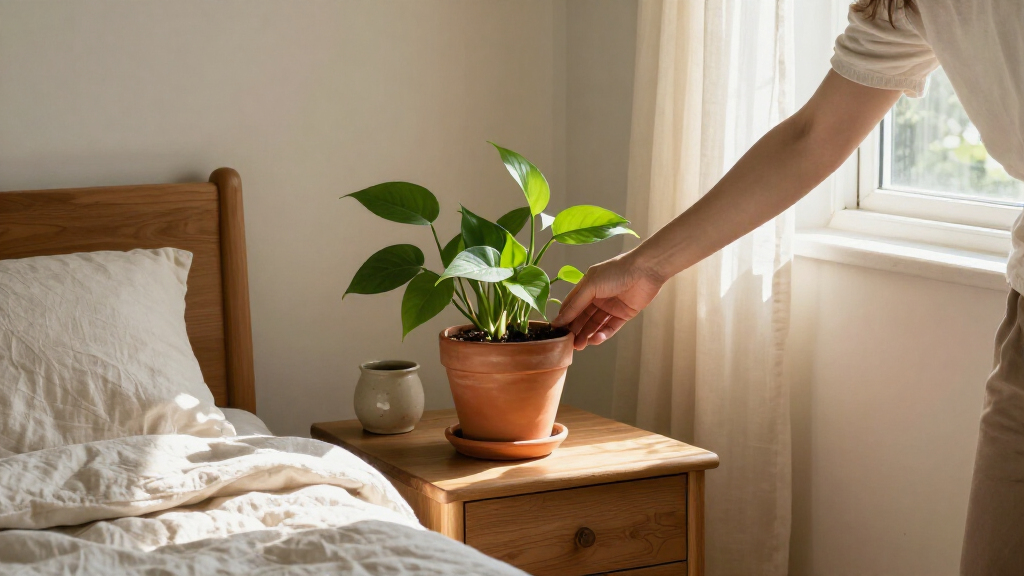
House Beautiful has published a list of 33 plants suited to bedrooms, with options for different light levels and care routines. Its recommendations include specific watering and placement tips, but the supplied report gives detailed profiles for only 20 plants and does not establish that bedroom plants improve sleep.
House Beautiful has published a guide to 33 plants for bedrooms, grouping houseplants by their light needs, watering routines and appearance. The list gives readers choices for rooms from dim corners to sunny windows, but its plant-care recommendations should not be read as proof that having greenery in a bedroom improves sleep or relaxation.
The supplied report profiles 20 of the 33 plants and offers practical care notes for each. Cast iron plant, aglaonema, snake plant, pothos and ZZ plant are presented as options that tolerate low light. By contrast, lavender and pilea are described as better suited to a sunny position or bright, indirect light. Those differences matter: a plant chosen for looks alone may struggle if the room does not meet its light needs.
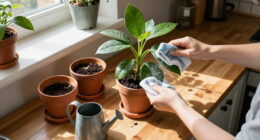
Watering guidance also varies. The report advises letting the soil dry near the surface for several plants, including pothos, peace lily and pilea, while snake plant and ZZ plant are described as needing water only every week or several weeks. Lucky bamboo is often grown in water; the article says to change that water weekly. These are general recommendations, not measurements for every pot or home: conditions such as light, temperature and soil can affect how quickly a plant dries.
The list also includes plants selected for distinctive features, from a prayer plant whose leaves fold upward at night to trailing wax plant and heartleaf philodendron. House Beautiful describes nerve plant as pet-safe and cast iron plant as non-toxic to people, cats and dogs. The supplied material does not give a pet-safety statement for every plant, so readers should check a plant’s identity and toxicity before bringing it into a home with animals or young children.
Matching Plants to Bedroom Conditions
The guide’s practical value is its range: it connects plant choice to available light and care habits, rather than suggesting every bedroom suits every species. Someone with a shaded room can look to plants the article says tolerate lower light, while a sunny windowsill may suit lavender or pilea. The distinction may help readers avoid buying a plant that is poorly matched to its placement.
That advice is most useful when treated as a starting point, not a guarantee. A bedroom’s conditions vary, and the report’s watering intervals are broad. Checking soil before watering, watching for changes in leaves and adjusting placement are more responsive than following a fixed schedule alone. The pet notes also underline that a plant’s suitability includes household safety, not just appearance.
Products Worth Considering

Philips Hue Bridge Pro Smart Lighting Hub

Philips Hue Festavia 65-Foot Smart LED String Lights, 250 Color-Changing Mini LEDs

Philips Hue Smart LED Candle Bulbs, B39, E12, 2-Pack
As an affiliate, we earn on qualifying purchases.
Care Advice Behind the List
The source is a House Beautiful lifestyle and gardening article titled “33 Bedroom Plants That Bring a Calming Touch to Your Space.” Its framing is a selection guide, not a research study. The supplied text contains profiles for 20 plants, including care instructions and brief descriptions, but does not provide the remaining 13 entries.
Lavender is linked in the article to relaxation and sleep, with a qualification: it says much of the research has studied lavender essential oils specifically and that a live bedroom plant probably cannot hurt. That wording is not evidence that a potted lavender plant produces the same effects as essential oil, or that it improves sleep. The source also describes the money tree as purported to bring good luck, presenting that as a belief rather than a verified outcome.
“Although most research has studied the use of lavender essential oils specifically, having a live lavender plant in your bedroom probably can’t hurt.”
— House Beautiful, on lavender
Sleep Claims and Missing Profiles
The source does not provide evidence that these plants as a group calm people or improve sleep. Its lavender note explicitly refers to research on essential oils, not necessarily live plants. The article’s title uses calming language, but that framing should not be mistaken for a measured health finding.
The supplied material also omits profiles for 13 plants, so their names and care instructions cannot be confirmed from the text provided. It does not state a publication date, explain how the list was selected, or offer detailed safety guidance for every species. Readers should verify individual care and toxicity information for the exact plant they plan to buy.
Check Light, Soil and Safety
Before buying, readers can compare a plant’s stated light preference with the room’s actual conditions and check whether it is suitable for pets or children. After placement, they can use the source’s watering notes as a guide while checking the soil rather than watering by calendar alone. The supplied report identifies no follow-up study, product announcement or scheduled update; the remaining plant profiles and any further evidence about sleep effects are not included in the source material.
Key Questions
Does the article prove bedroom plants improve sleep?
No. House Beautiful mentions lavender’s association with relaxation and sleep but says much of the research concerns lavender essential oils. The supplied report does not establish that a live plant improves sleep.
Which plants in the list tolerate low light?
The profiles identify cast iron plant, aglaonema, snake plant, pothos and ZZ plant as tolerant of low light. Conditions vary by room, and low-light tolerance does not mean a plant needs no suitable care.
How often should bedroom plants be watered?
There is no single schedule for every plant. The report commonly recommends checking whether the soil’s top inch or few inches feel dry; it gives longer intervals for some succulents and says water-grown lucky bamboo should have its water changed weekly.
Are all 33 plants safe for pets?
The supplied text specifically calls cast iron plant non-toxic to cats and dogs and describes nerve plant as safe for pets. It does not provide a safety statement for every plant, so check the exact species before bringing it home.
Source: housebeautiful.com