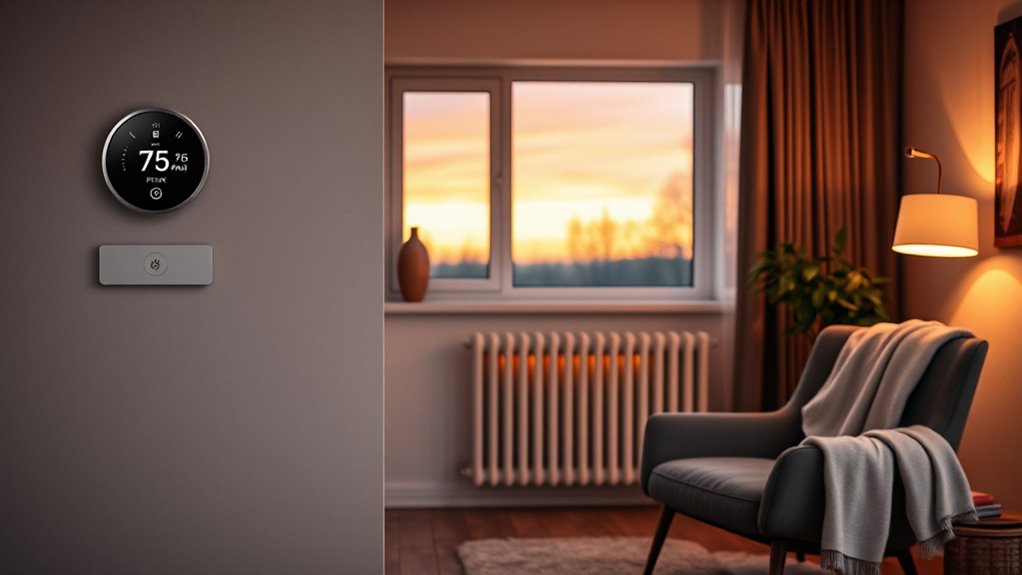
To lower your heating costs with off-peak electricity, shift your energy use to cheaper nighttime hours by using smart thermostats and automation. Take advantage of time-of-use tariff plans that offer lower rates during off-peak times, and consider installing battery storage to save excess energy for later. Combining these strategies helps you save money and reduce energy waste. Keep exploring ways to optimize your energy setup for even bigger savings.
Key Takeaways
- Shift heating usage to off-peak hours using smart thermostats to benefit from lower electricity rates.
- Install battery storage systems to store cheap off-peak energy for use during peak periods.
- Choose tariff plans with favorable off-peak rates tailored to your energy consumption patterns.
- Automate heating systems to activate during off-peak times, minimizing manual adjustments and waste.
- Combine renewable energy sources with off-peak tariffs to maximize savings and reduce reliance on expensive peak energy.
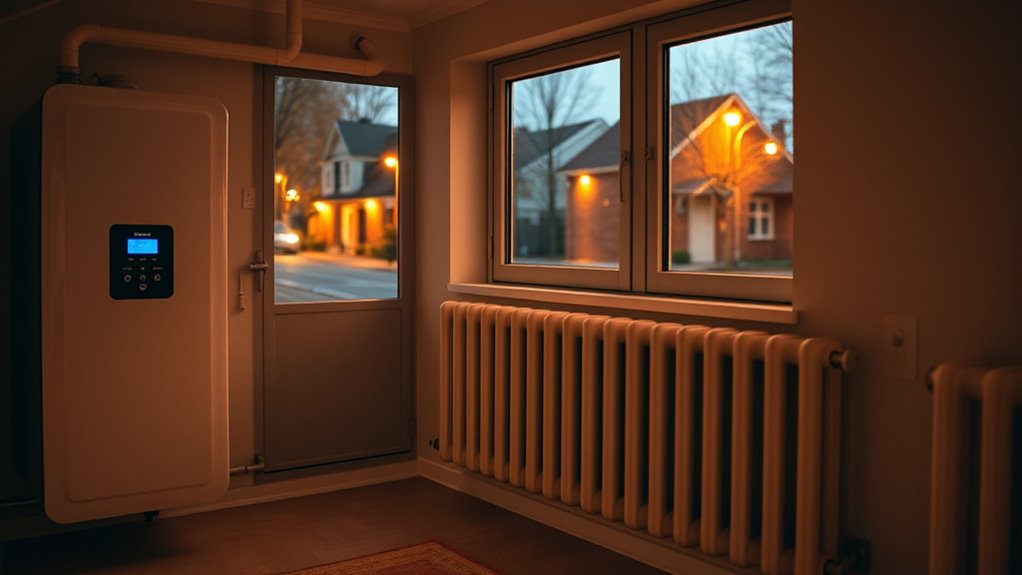
Using off-peak electricity for heating is an efficient way to save money and reduce energy costs. By shifting your heating demands to times when electricity is cheaper, you can considerably lower your utility bills. Many energy providers offer special tariff plans tailored for this purpose, making it easier for you to take advantage of lower rates during off-peak hours. These plans often include time-of-use tariffs, where electricity prices are reduced during specific periods, typically late at night or early morning. To maximize savings, you should understand your provider’s tariff structure and plan your heating schedule accordingly.
Shift your heating to off-peak hours to save money and lower energy costs.
One way to optimize the benefits of off-peak electricity is by integrating battery storage systems into your home. Battery storage allows you to store excess energy generated during off-peak times or from renewable sources like solar panels. When you have a battery system, you can draw stored energy during peak hours when electricity prices are higher, avoiding expensive rates altogether. This not only saves you money but also increases your independence from fluctuating energy prices. With a properly sized battery, you can ensure your heating needs are met even when off-peak energy isn’t available instantly, providing a reliable and cost-effective solution.
Choosing the right tariff plan is essential for making the most of off-peak electricity. Some plans are specifically designed to encourage consumers to shift their consumption to cheaper periods, often with lower rates during designated times. You should compare plans based on your typical energy usage patterns to find the best fit. For instance, if you tend to use a lot of heating during the night, a plan with significant off-peak discounts during those hours can lead to substantial savings. Additionally, check whether your provider offers incentives or discounts for using energy storage solutions, which can enhance your overall savings.
Implementing a smart heating system can further improve your efficiency. These systems can be programmed to activate during off-peak hours automatically, ensuring your home stays warm without you having to manually switch on heaters or adjust settings. When combined with a battery storage system and an appropriate tariff plan, smart thermostats allow you to optimize energy use, reducing waste and costs. This integrated approach ensures you’re not only saving money but also contributing to a more sustainable energy landscape by reducing demand during peak times. Furthermore, embracing creative problem-solving in managing your energy use can lead to innovative ways to maximize savings and efficiency.

GIOTOHUN Cat Water Fountain Filter: 12 Cat Fountain Filter Replacement - 12 Pet Fountains Filters Replacement - 6 Filters & 6 Sponges - Suitable for ATMZIQXR GIOTOHUN KOOGMOON UMOCUOY IHOUONE HOOISE
- Compatible with specific cat fountains: Fits GIOTOHUN ATMZIQXR and others
- 12 filters included: 6 carbon and 6 sponge filters
- Long-lasting filters: Suitable for 3-6 months use
As an affiliate, we earn on qualifying purchases.
Frequently Asked Questions
Can Off-Peak Electricity Be Used for All Types of Heating Systems?
Yes, you can use off-peak electricity for many heating systems like thermal mass and radiant panels. Thermal mass stores heat during off-peak times, releasing it slowly to keep your space warm. Radiant panels can also run on off-peak electricity, providing efficient heating. However, some systems, especially those requiring rapid or high heat output, might not be suitable. Always check your system’s compatibility before switching to off-peak power.
How Do I Determine if My Electricity Provider Offers Off-Peak Rates?
You can determine if your electricity provider offers off-peak rates by checking your utility tariffs or contacting customer service. Look for information about peak hours and off-peak periods on your bill or the provider’s website. Many providers specify these times, so you’ll know when to schedule your heating system to run at lower costs. If unsure, ask directly to make sure you’re taking advantage of potential savings during off-peak hours.
Are There Any Risks Associated With Relying Solely on Off-Peak Electricity?
Relying solely on off-peak electricity can pose risks like grid instability and power shortages during peak times. To mitigate this, you might consider battery storage, which stores excess off-peak energy for later use, reducing dependence on the grid. This approach helps guarantee your heating remains consistent and protects you from outages, while also supporting grid stability by balancing demand and supply.
How Do I Install or Upgrade My Heating System for Off-Peak Usage?
You can install or upgrade your heating system by adding a smart thermostat and thermal storage units. First, choose a compatible smart thermostat to optimize off-peak electricity use. Then, integrate thermal storage to store heat during low-cost hours for later use. Hire a professional to guarantee proper installation, and consider upgrading your insulation to maximize efficiency. This setup helps you save money and improves your home’s heating reliability.
What Are the Long-Term Savings Compared to Traditional Heating Methods?
You’ll save money in the long run by switching to off-peak electricity for heating, as it reduces your energy costs considerably. Plus, it lowers your environmental impact by using cleaner, off-peak power sources. Over time, these savings add up, making your home more energy-efficient and eco-friendly. You’ll also benefit from less strain on the grid, helping support sustainable energy use for the future.

Bluevua Official RO100ROPOT 4-Pack Replacement Filter Set
- Complete 4-Pack Replacement Set: Includes PP, CTO, RO, and PCF filters
- Easy, Tool-Free Replacement: Replace filters quickly without tools or water shutoff
- Long-Lasting Filter Lifespan: Filters last up to 1 year, RO membrane up to 2 years
As an affiliate, we earn on qualifying purchases.
Conclusion
By embracing off-peak electricity for heating, you can cut costs and create a cozy, cost-effective comfort zone. Shift your schedule, save your savings, and simplify your heating strategy. Seize the savings, soften your bills, and set yourself up for a smarter, more sustainable season. With a little planning and a willingness to switch, you’ll enjoy warmth without the worry, making your home a happy haven all year round.

Bluevua Official 5-IN-1 RO Filter
- Replacement Filter: Compatible with Bluevua 5-in-1 RO system
As an affiliate, we earn on qualifying purchases.
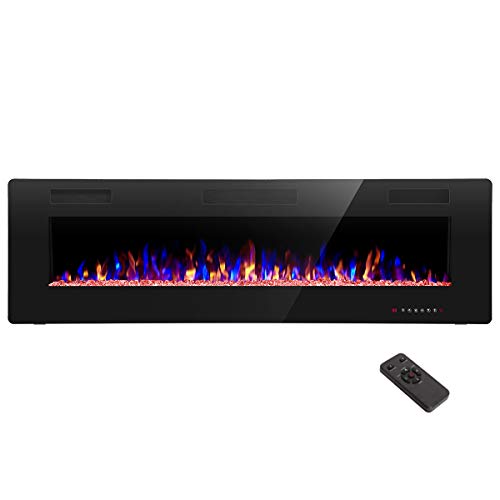
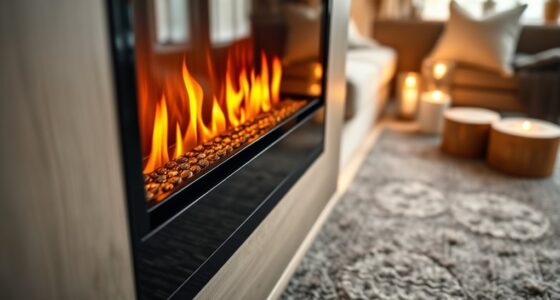
R.W.FLAME 60" Recessed and Wall Mounted Electric Fireplace, Low Noise, Fit for 2 x 6 Stud, Remote Control with Timer, Touch Screen, Adjustable Flame Color and Speed, 750-1500W
- Sleek, Compact Design: Only 3.86 inches thick, 60 inches wide
- Multiple Operation Modes: Touch and remote control with 12 flame colors
- Adjustable Flame Settings: 5 flame speeds and brightness levels
As an affiliate, we earn on qualifying purchases.