
To stay safe using garage and workshop heaters, guarantee your space is well-ventilated and vents are clear to prevent dangerous fumes and carbon monoxide buildup. Always inspect electrical cords for damage and avoid using extension cords with heaters. Keep heaters away from combustible materials, and turn them off when unattended. Regularly maintain and clean your heater, and use models with safety features like tip-over switches. For tips on maintaining a safe workspace, keep exploring these safety guidelines.
Key Takeaways
- Ensure proper ventilation and clear vents to prevent harmful fumes and carbon monoxide buildup.
- Regularly inspect electrical cords, plugs, and outlets for damage; avoid using extension cords.
- Maintain safe distances from combustible materials and hot surfaces during heater operation.
- Use heaters with built-in safety features like tip-over switches and overheat protection.
- Turn off and unplug heaters when unattended or not in use to prevent fire hazards.
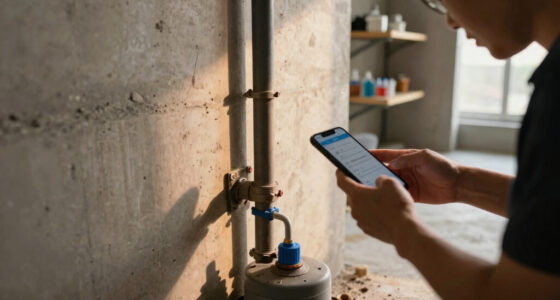
A garage or workshop heater can keep your space warm and comfortable, but safety should always come first. One of the most critical considerations is ensuring proper ventilation. Ventilation hazards are a real concern because many heaters produce fumes or emit carbon monoxide, which can be deadly if not properly vented. To prevent this, always verify that your heater is installed in a well-ventilated area and that vents or exhaust pipes are clear of obstructions. Never rely on a heater to heat a sealed or poorly ventilated space, as the buildup of harmful gases can occur quickly. Additionally, avoid running fuel-burning heaters indoors unless they are specifically designed for indoor use with appropriate ventilation. Proper airflow not only keeps the air safe to breathe but also helps prevent the accumulation of moisture and fumes that could damage your workspace or pose health risks. Regularly testing your carbon monoxide detectors is essential to ensure they are functioning correctly in case of dangerous gas buildup.
Electrical safety is equally essential when using electric heaters. Before plugging in your heater, inspect the cord and plug for any damage or fraying. Using damaged cords increases the risk of electrical fires or shocks. Always plug your heater directly into a grounded outlet; avoid using extension cords or power strips, as they can overload and cause electrical hazards. Make sure the outlet can handle the wattage of the heater—overloading circuits can lead to overheating and fires. Keep the heater away from water sources, including sinks, wet floors, or damp surfaces, to prevent electrical shocks. Maintain a safe distance from combustible materials like paper, wood, or fabrics, which can ignite if they come into contact with hot surfaces or sparks. Also, turn off and unplug the heater when it’s not in use or when you’re leaving the workspace to prevent accidental fires. Regular maintenance plays an essential role in ensuring safety. Clean filters, vents, and surrounding areas to prevent dust buildup, which can cause overheating or reduce airflow. Follow the manufacturer’s instructions carefully, and schedule professional inspections if your heater requires it. Always use heaters that have safety features like tip-over switches and overheat protection. These features can automatically shut off the heater if it’s knocked over or overheats, reducing the risk of accidents. Remember, safety isn’t just about the equipment itself but also about your behavior—never leave a heater unattended for long periods, especially when it’s running. By paying close attention to ventilation hazards and electrical safety, you’ll create a safer environment for yourself while enjoying the warmth and comfort your heater provides.

DREO Space Heaters for Indoor Use with Thermostat, 1500W Electric Heaters
- Safety Certified and Features: ETL-certified with tip-over and overheat protection
- Powerful Heating: 1500W ceramic heater heats 270 sq.ft.
- Quiet Operation: Operates at 34dB for peaceful use
As an affiliate, we earn on qualifying purchases.
As an affiliate, we earn on qualifying purchases.
Frequently Asked Questions
Can Portable Heaters Be Left Unattended Overnight Safely?
You shouldn’t leave portable heaters unattended overnight. Proper heater placement is essential; keep it on a stable, non-flammable surface away from clutter. Make certain fuel safety by turning off the heater and disconnecting any fuel sources before sleeping. Never leave a heater running while you’re not present, as this increases fire risk. Always follow manufacturer instructions and safety guidelines to prevent accidents and ensure a safe environment.
How Often Should I Inspect My Heater for Safety Issues?
Think of your heater as a trusted guardian; regular vigilance keeps it strong. You should inspect your heater for safety issues at least once a month, focusing on heater maintenance and safety inspections. Look for signs of wear, loose connections, or corrosion. Regular checks prevent accidents and ensure efficient operation. By staying proactive, you keep your workspace safe and your guardian ready to protect you whenever needed.
Are There Specific Safety Certifications to Look For?
You should look for safety certifications like UL certification and CSA approval when choosing a heater. These certifications guarantee the heater meets strict safety standards and has undergone rigorous testing. Always check the product label or packaging for these marks before purchase. By selecting heaters with UL or CSA approval, you reduce the risk of malfunctions or fire hazards, keeping your workspace safer during use.
What Should I Do if My Heater Produces a Strange Odor?
If your heater produces a strange odor, you should immediately turn it off and unplug it. Check for odor detection to identify any signs of burning or gas leaks. Improve ventilation in your workspace to help disperse any fumes. If the smell persists, don’t use the heater until a professional inspects it. Prioritizing odor detection and ventilation guarantees your safety and prevents potential hazards.
Can I Use Extension Cords With Garage Heaters Safely?
Using extension cords with garage heaters is like trying to power a rocket with a paper straw—you risk extension cord hazards and overloads. Heaters demand high power, and an extension cord may not handle that load, causing overheating or fires. Always connect your heater directly to a properly rated wall outlet, ensuring it meets the heater’s power requirements. Don’t compromise safety—avoid extension cords for garage heaters entirely.

Lasko Portable Indoor Ceramic Space Heater – 9” – 754201 – Dark Gray
- Multiple Heat Settings: High, Low, and Fan modes
- Adjustable Thermostat: Set and maintain desired temperature
- Compact and Portable: Fits on tabletop or floor
As an affiliate, we earn on qualifying purchases.
As an affiliate, we earn on qualifying purchases.
Conclusion
Staying safe with your garage or workshop heater is like tending a campfire—you need to watch it carefully to prevent accidents. Remember that a small oversight, like neglecting proper ventilation, can turn a cozy space into a hazard. Keep safety at the forefront, just as you’d guard a treasured fire, and you’ll enjoy warmth without worry. When you prioritize these tips, you create a safe environment where your projects and passions can thrive.

Mr. Heater 50,000 BTU Forced-Air Unit Heater (Propane or Natural Gas)
- Ceiling-mounted design: Heats garages, barns, workshops
- High heating capacity: 50,000 BTUs for 1,667 sq ft
- Thermostat compatibility: Works with standard or Wi-Fi thermostats
As an affiliate, we earn on qualifying purchases.
As an affiliate, we earn on qualifying purchases.

TOPTES CT-580 Portable Carbon Monoxide Detector, Rechargeable CO Detector with Vibration, Visual & Audible Alarms, 0-1000PPM, TFT Color Display for Home, Camping, Travel, Industrial & Professional Use
- Fast Response Time: Responds within 0.3 seconds
- Wide Detection Range: Detects 0-1000 PPM CO levels
- User-Friendly Display: Graphical TFT color display
As an affiliate, we earn on qualifying purchases.
As an affiliate, we earn on qualifying purchases.