
Open stairs and lofts can impact your room heating by increasing heat loss, especially if not properly insulated. Warm air rises, so heat can escape through uninsulated floors and ceilings, making your space less energy-efficient. They also affect airflow, which might cause uneven temperatures. To keep your home cozy, you’ll need to take into account insulation and ventilation strategies. If you continue exploring, you’ll discover effective ways to manage these features and improve your heating setup.
Prime for Young Adults — start your free trial
Fast free delivery, streaming and member deals for eligible 18–24 year olds.
As an affiliate, we earn on qualifying purchases.
Key Takeaways
- Open stairs and lofts can increase heat loss if not properly insulated, affecting overall room warmth.
- Proper insulation of floors, walls, and loft ceilings helps retain heat despite open features.
- These architectural elements facilitate air circulation, which can help distribute warmth but may also cause heat escape.
- Furniture placement and ventilation are crucial to ensure even heating and prevent drafts in open spaces.
- Additional insulation or supplementary heating may be necessary to maintain consistent temperatures in homes with open stairs and lofts.
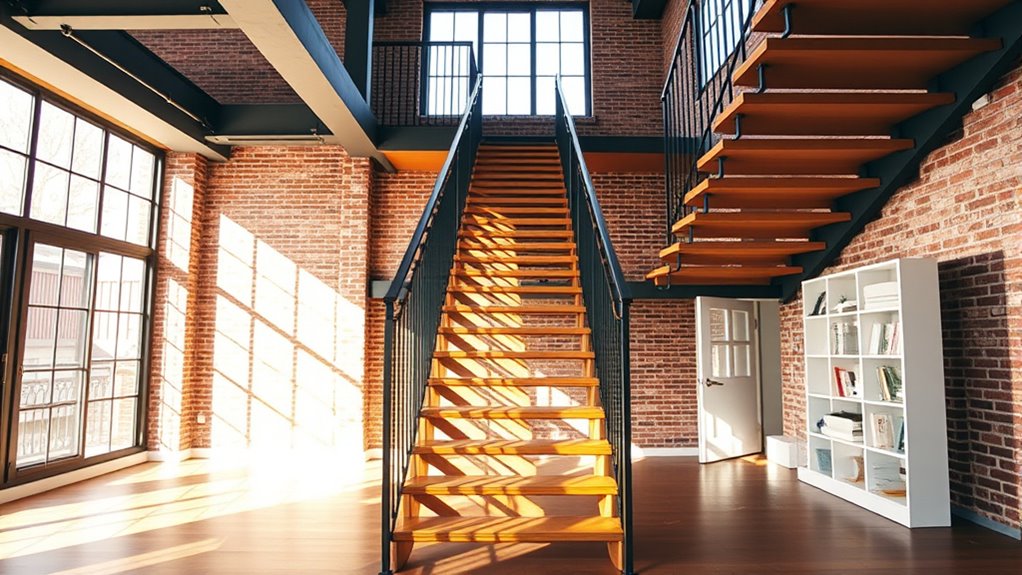
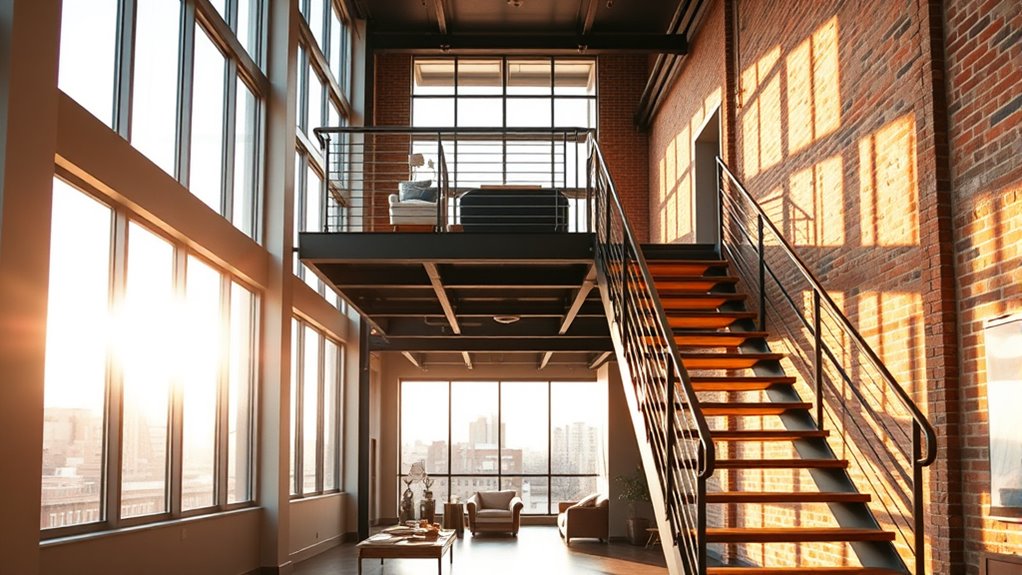
When designing a home with a loft or open stairs, understanding how these features affect room heating is essential. These architectural choices can significantly influence your home’s overall warmth, especially because they impact insulation efficiency and air circulation patterns. Open stairs and loft spaces tend to create larger, more connected areas, which can lead to heat loss if not properly managed. Because heat naturally rises, a loft can become a warm sanctuary, but without adequate insulation, that heat escapes quickly, making it harder to keep the lower levels cozy.
Your goal should be to optimize insulation efficiency across the entire space. Open stairs can allow heat to travel more freely between levels, but if your insulation isn’t up to par, you risk losing valuable warmth to the attic or upper areas. Proper insulation in the loft ceiling and around stairs can prevent heat from leaking out, maintaining a consistent temperature throughout your home. It’s also vital to consider the insulation of the floors and walls surrounding the open areas; these elements act as barriers that keep heat where you want it.
Air circulation patterns are equally crucial when you have open stairs or a loft. These features create a natural flow of air, which can be beneficial or problematic depending on your setup. Warm air rising naturally can result in cooler temperatures on the ground floor if there’s insufficient airflow control. To counteract this, you can use ceiling fans or vents strategically placed to promote even circulation. This helps prevent hot spots and cold drafts, ensuring that the warmth generated by your heating system is distributed more evenly. Additionally, understanding air flow dynamics can help you design more effective ventilation strategies.
Another aspect to consider is how furniture placement and room layout influence air movement. Cluttering a space with large furniture or blocking vents can hinder airflow, causing uneven heating. In open-plan areas, you might need to install additional vents or fans to encourage proper air circulation. This ensures that heat doesn’t get trapped in one part of the house while other areas remain chilly.
Finally, keep in mind that open stairs and lofts can make your heating system work harder if not planned carefully. You may need to upgrade your insulation or add supplementary heating sources to compensate for heat loss and uneven air circulation. By paying attention to insulation efficiency and air circulation patterns, you can design a home that stays warm, comfortable, and energy-efficient, regardless of the architectural features you choose.
As an affiliate, we earn on qualifying purchases.
Frequently Asked Questions
Do Open Stairs Cause Heat Loss in Winter?
Open stairs can cause some heat loss in winter, especially if there’s no proper insulation or if they connect to unheated areas. They may also pose fire hazards if not designed carefully, but they add aesthetic appeal by creating a spacious, modern look. To maintain warmth, consider insulating the stairwell and installing safety features. Balancing aesthetics and safety guarantees your home stays cozy without compromising fire safety.
How Do Loft Stairs Affect Energy Efficiency?
Loft stairs can impact your home’s energy efficiency by influencing air circulation and creating thermal bridging. If not properly insulated, they allow warm air to escape and cold air to enter, increasing your heating costs. Open stairs promote better air flow, which can help distribute heat more evenly but may also lead to heat loss if gaps aren’t sealed. Proper insulation and sealing around the stairs are essential for maintaining energy efficiency.
Can Open Stairs Improve or Worsen Heating Costs?
A stitch in time saves nine, and when it comes to open stairs, they can both help and hinder your heating costs. Open stairs improve air circulation, which can evenly distribute heat and boost heat retention, especially in colder months. However, they can also allow warm air to escape, making it harder to maintain a cozy temperature. So, it’s a balancing act that depends on your home’s insulation and layout.
Are There Safety Concerns With Open Stairs and Heating?
Open stairs can pose safety concerns, especially regarding fire risk and slip hazards. You need to be cautious if there’s a fire, as open stairs can allow flames and smoke to spread faster between floors. Additionally, the open design can increase the risk of slips and falls, particularly if you don’t have proper handrails or if the stairs are slippery. Always guarantee safety measures are in place to minimize these hazards.
What Insulation Options Work Best With Open Stair Designs?
You should consider thermal insulation options like spray foam or rigid foam boards to effectively insulate open stair areas. These options help maintain temperature and improve energy efficiency. Additionally, soundproofing solutions such as acoustic panels or insulation batts can minimize noise transfer between floors. Combining these insulation types guarantees your open stair design stays warm and quiet, enhancing comfort without sacrificing style or openness.
air circulation fans for open stairs
As an affiliate, we earn on qualifying purchases.
As an affiliate, we earn on qualifying purchases.
Conclusion
So, next time you’re considering a loft or open stairs, remember they can substantially impact your room’s heating. Open designs allow warm air to circulate more freely, potentially saving you energy and money. Did you know that open-plan homes can be up to 20% more energy-efficient? Embracing these features not only adds style but also helps keep your space cozy without extra cost. Make smart choices, and enjoy a warmer, more comfortable home all year round.
draft prevention vents for open spaces
As an affiliate, we earn on qualifying purchases.
As an affiliate, we earn on qualifying purchases.
thermal insulation for floors and walls
As an affiliate, we earn on qualifying purchases.
As an affiliate, we earn on qualifying purchases.
Fall yard work Picks
leaf blowers
As an affiliate, we earn on qualifying purchases.