
TL;DR

Get home appliances delivered free with Prime
- Fast, free delivery on millions of items
- Prime Video, Amazon Music and more included
- Member-only deals all year
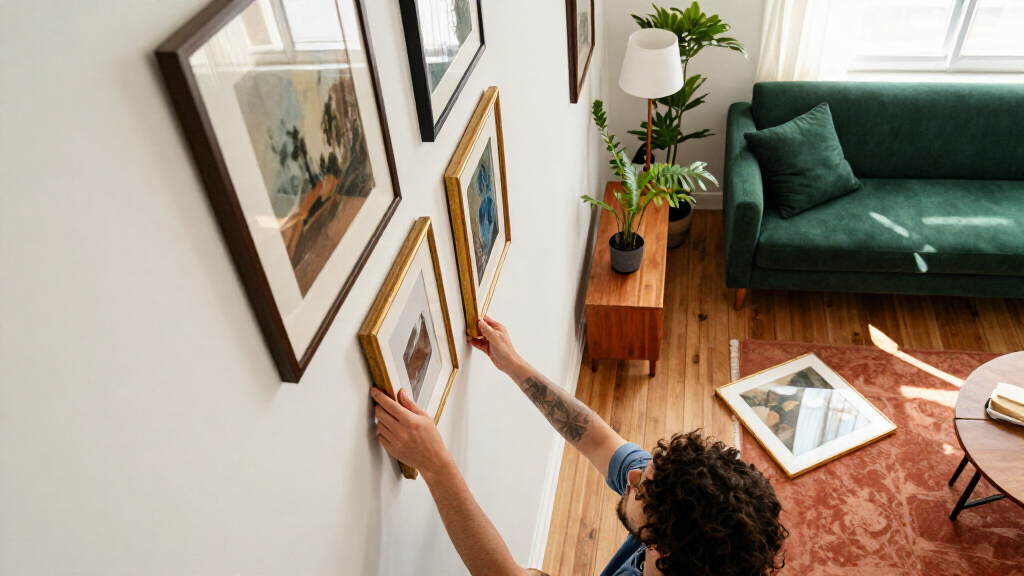
Veranda published advice from eight interior designers on how to find and buy art for a home. Their recommendations include researching prices and sellers, measuring the space, setting a budget and choosing work that reflects personal taste; the report does not announce a new market development.
Veranda has published a guide to shopping for art based on advice from eight interior designers, covering how buyers can research artists and prices, plan for a room and decide what to spend. The report offers practical guidance rather than announcing a change in the art market, and emphasizes that buyers should balance due diligence with personal taste.
New York designer and shop owner Katie Leede recommends browsing platforms such as Artnet to learn what works are available and get a sense of market prices. She also suggests speaking with gallery staff or an art consultant, contacting artists directly and checking upcoming auctions. Leede notes that a buyer may be able to make an offer through an auction house after a work fails to meet its minimum bid, though that possibility does not guarantee a sale or a particular price.
Christina Nielsen, a designer based in New York and London, advises buyers to build relationships with local dealers and vendors, and to look at emerging artists as well as established names. For purchases that carry a significant financial commitment, Stewart Manger recommends consulting an art adviser who can help check a work’s provenance. Manger also points to auction-house specialists as a source of expertise on different periods, styles and media.
Before buying, New Orleans designer Hattie Sparks Collins says shoppers should assess the space, choose a layout and set a budget. That budget can shape whether someone chooses a reproduction print and spends more on framing or considers an original. Collins also recommends deciding on subject and medium, then thinking about how the work relates to the room, guided by rules for using color. She says art need not match a room’s colors, but should complement them.
A Practical Route From Browsing to Buying
The advice matters to buyers because art purchases can combine aesthetic preference with questions about cost, authenticity and fit. Researching prices and sellers can help shoppers understand their options before committing, while advice from a consultant or auction specialist may be useful when provenance or a larger investment is involved. Those steps are distinct from deciding whether a work is personally appealing.
The designers also make room for purchases that are not major investments. Collins’s distinction between a reproduction print and an original gives buyers a way to match the purchase to their budget, while still considering framing and presentation. The report does not provide price benchmarks or guarantee that any one route will produce a bargain, so readers should treat its suggestions as ways to investigate rather than financial assurances.
For a home, the decision also affects how a room is arranged and experienced. Collins recommends assessing scale and layout in advance, and Joy Moyler says art should reflect the owner’s interests and experiences. A buyer can use those ideas to narrow choices without assuming that a work must match the room exactly or follow a designer’s personal preferences.
Products Worth Considering

Levoit Vital 200S-P Smart Air Purifier for Large Rooms up to 1875 ft²

Levoit EverestAir-P Smart Air Purifier for Large Rooms

Philips Hue White and Color Ambiance Smart Light Starter Kit, 2 A19 Bulbs with Hub
As an affiliate, we earn on qualifying purchases.
Advice From Eight Working Designers
The Veranda report gathers recommendations from eight interior designers who discuss sourcing art for client projects and personal spaces. Their suggestions range from browsing online marketplaces and visiting galleries to developing relationships with local dealers and buying directly from artists. The source also names outlets and platforms, including Artnet, Wendover Art, Pad London Design + Art, Williams Sonoma and RH, as examples of places designers shop.
The guidance covers several stages of a purchase rather than one prescribed method: exploring available work, assessing the room, setting a spending limit, choosing subject matter, and considering authentication for higher-stakes purchases. The designers do not present a single standard for what qualifies as a good investment. Nielsen describes art as a personal choice, while Moyler advises buyers to select work they want to see every day.
Some recommendations are explicitly personal preferences. Collins says she tends to favor one large work or a diptych over a gallery wall, and Moyler suggests keeping surrounding walls relatively simple so the art can stand out. Those are design approaches, not rules that apply to every home or collection.
““Art does not necessarily need to match the color scheme of the room, but should certainly complement it.””
— Hattie Sparks Collins, designer
Prices, Provenance and Personal Fit
The source provides no publication date, market-wide price data or independent evaluation of the buying advice. It does not verify the current availability or pricing of works and services from the named sellers and platforms. Prices and availability may change, so buyers would need to check directly with the relevant dealer, artist, platform or auction house.
The report also does not set out a standard process for authenticating every kind of artwork or explain how provenance checks differ by artist, medium or seller. A consultant may be able to help, as Manger says, but the material does not promise that a particular check will settle every question. The right choice of subject, scale and style remains individual, and the designers’ preferences should not be read as universal requirements.
Steps Buyers Can Take Before Purchase
The report gives readers a sequence to apply before making a purchase: measure and assess the space, choose a layout, set a spending limit and decide what kinds of subjects or media appeal to them. From there, buyers can compare available works, ask sellers questions and seek specialist advice if the cost or authenticity concerns warrant it.
For a work bought at auction, shoppers can ask the auction house about its specialists and any post-auction offer process. Those considering an emerging artist can explore galleries, dealers or direct artist channels. The source names no forthcoming event, deadline or follow-up announcement; the next steps depend on individual buyers and the specific work they are considering.
Key Questions
What is the main advice in Veranda’s art-buying guide?
The designers recommend researching available work and sellers, assessing the room, setting a budget and choosing art that reflects the buyer’s own taste. Their suggestions are guidance, not a single required method.
How can a buyer research an artwork before purchasing?
Katie Leede recommends browsing sites such as Artnet to learn what is available and get a sense of market prices. Buyers can also speak with galleries, dealers, artists or auction-house specialists, depending on the work and seller.
Should art match a room’s color scheme?
Collins says it does not need to match exactly, but should complement the room. The report presents this as design advice, not a strict rule.
When might an art consultant be useful?
Manger recommends consulting an adviser when making an art investment because consultants may help check provenance, including by contacting an artist’s foundation. The report does not guarantee that a consultant can verify every work.
Does the guide say buyers need to purchase original art?
No. Collins suggests deciding whether the budget is better suited to a reproduction print with custom framing or an original. The report presents both as options.
Source: veranda.com