TL;DR
Following Hurricane Helene’s destruction in Asheville, Firestorm Books installed a microgrid to ensure energy resilience. This development reduces reliance on the grid and improves disaster preparedness for the community.
Firestorm Books in Asheville has completed the installation of a microgrid, enabling the bookstore to operate independently of the utility grid. This move comes after Hurricane Helene caused widespread power outages and infrastructure damage in September 2024, highlighting the need for resilient energy solutions in disaster-prone areas. The microgrid enhances community resilience and ensures continuous operations during emergencies.
Following the devastation caused by Hurricane Helene on September 27, 2024, which resulted in widespread flooding, downed power lines, and infrastructure failure in Asheville, Firestorm Books took proactive steps to improve its energy resilience. The bookstore, which previously had a grid-tied solar system that was nonfunctional during the outage due to lack of batteries, partnered with Footprint Project to develop a standalone microgrid. This system includes four batteries and an inverter, allowing the bookstore to operate independently of the utility grid.
The project was supported by product donations from Briggs & Stratton and Sol-Ark, with installation carried out by Asheville Solar Company. Footprint Project also provided a small cash grant and facilitated a 0% interest repayable grant through Invest Appalachia. The microgrid allows Firestorm to operate solely on solar power and stored energy, with batteries configured to serve as backup energy supply. This setup ensures that the bookstore can maintain operations during future outages, with the batteries acting as an active energy reserve connected to Duke Energy’s Lake Julian plant.
While the system is currently not a cost-saving measure, due to existing interconnection agreements, the arrangement will become more critical after January 2027 when the elimination of Duke Energy’s Net Energy Metering (NEM) program will restrict excess energy exchange. The bookstore also plans to explore additional resilience projects, such as rainwater capture, to further mitigate climate-related disruptions.
Community Resilience Through Microgrid Adoption
This development demonstrates a growing trend among community organizations to adopt microgrids for disaster preparedness, reducing dependence on vulnerable utility infrastructure. It highlights the importance of resilient energy systems in ensuring continuous operations during emergencies, especially in areas prone to extreme weather events caused by climate change. The Firestorm project serves as a model for other local businesses and nonprofits seeking to enhance their disaster response capabilities and energy independence.

Portable Solar Generator 300W Portable Power Station with 60W Solar Panel
- Powerful 300W Portable Generator: Charges smartphones, tablets, laptops, and small devices
- Includes 60W Foldable Solar Panel: Recharges via solar, AC, or carport
- Multiple Charging Outlets: AC, DC, USB, and quick charge ports
As an affiliate, we earn on qualifying purchases.
As an affiliate, we earn on qualifying purchases.
Hurricane Helene’s Devastation and Community Response
Hurricane Helene struck Asheville on September 27, 2024, causing historic flooding, landslides, and widespread infrastructure damage. The storm left entire communities without power, drinking water, and access to essential services. Firestorm Books emerged as a critical community hub during the immediate aftermath, providing water, hot meals, and organizing mutual aid efforts. The storm underscored the vulnerabilities of grid-dependent infrastructure and prompted local initiatives to improve resilience.
Prior to the storm, Firestorm had a 7.5-kW solar array that was grid-tied but non-operational during outages due to lack of batteries. Recognizing the limitations of this setup, the organization sought to develop an off-grid energy solution, leading to the recent microgrid installation. The project aligns with broader efforts across the region to enhance disaster preparedness and climate resilience.
“Because of that, we missed opportunities to store perishable foods and medications, recharge power tools and communication devices for community responders and operate after dark as a place for people to safely gather.”
— Libertie Valance

The DC-Coupled Microgrid: Eliminating Off-Grid Inverter Inefficiencies: Architecture, Efficiency, and Power Preservation in Modern Off-Grid Electrical Systems
As an affiliate, we earn on qualifying purchases.
As an affiliate, we earn on qualifying purchases.
Uncertainties About Long-Term Cost and Policy Changes
It is not yet clear how the microgrid’s operational costs will evolve, especially after the expiration of the current interconnection agreement in January 2027, which allows excess energy exchange with the grid. The potential financial implications of losing net metering benefits and future policy changes remain uncertain. Additionally, the long-term durability of the system and its performance during extreme weather events are still being evaluated.

ECO WORTHY 10000W Output Complete Off-Grid Solar Panel Kit for Home| 10KW 120V/240V Output Split Phase Inverter| 48V 314Ah16.1kWh High Capacity Energy Storage| 2950W Solar Panel PV| Whole House System
- Power Output: Up to 10kW with split-phase support
- Solar Panels: 5 × 590W panels, 2950W capacity
- Daily Energy Generation: Up to 11.8 kWh under optimal conditions
As an affiliate, we earn on qualifying purchases.
As an affiliate, we earn on qualifying purchases.
Next Steps in Community Energy Resilience Planning
Firestorm plans to monitor and optimize the microgrid’s performance, with ongoing assessments of its cost-effectiveness and reliability. The organization also intends to pursue additional resilience projects, such as rainwater harvesting. Regionally, other community groups may adopt similar microgrid solutions, inspired by Firestorm’s example. Policy discussions around energy incentives and grid integration are expected to influence future developments.
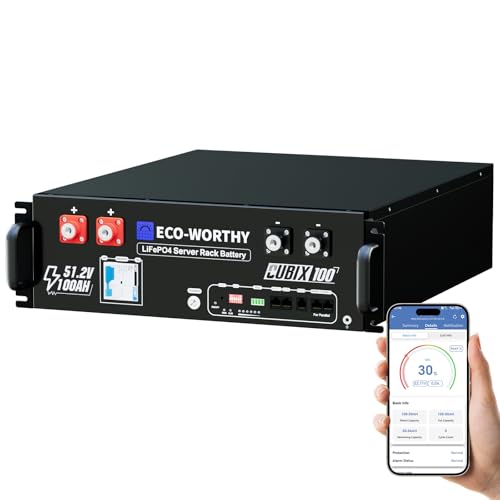
ECO-WORTHY Cubix100 48V 100Ah LiFePO4 Lithium Battery w/Bluetooth | UL9540 & UL1973 & CEC Listed | 5120Wh Server Rack Battery for Solar Energy Storage, Home Backup Power
- Safety Certifications: UL9540, UL1973, CEC listed
- Advanced Communication: CAN/RS485, Bluetooth, WiFi enabled
- Space-Efficient Design: Vertical rack mounting, expandable up to 32 units
As an affiliate, we earn on qualifying purchases.
As an affiliate, we earn on qualifying purchases.
Key Questions
How does the microgrid improve resilience for Firestorm Books?
The microgrid allows the bookstore to operate independently of the utility grid during outages, ensuring continuous access to power, communication, and essential services.
What components make up the microgrid installed at Firestorm?
The system includes four batteries, an inverter, and a solar array, enabling off-grid operation and backup power supply.
Will this microgrid save money for Firestorm in the long run?
Currently, the microgrid is primarily for resilience rather than cost savings. However, after January 2027, it is expected to become a cost-effective measure due to changes in net metering policies.
Are other organizations in Asheville adopting similar systems?
While specific plans are not yet confirmed, Firestorm’s example may encourage other community groups to consider microgrids for disaster preparedness.
Source: Solar Power World