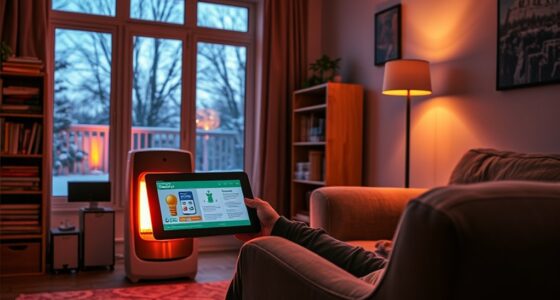

A bigger fireplace doesn’t always mean higher running costs, especially if it’s properly designed and installed for efficiency. Larger units can produce more heat, which helps warm bigger spaces without wasting fuel. Factors like good insulation, advanced technology, and effective airflow also play a big role in keeping costs down. So, with the right setup, you can enjoy a larger fireplace without paying more each season—further details reveal how to maximize efficiency and save money.

Get home appliances delivered free with Prime
- Fast, free delivery on millions of items
- Prime Video, Amazon Music and more included
- Member-only deals all year
Key Takeaways
- Larger fireplaces don’t necessarily increase operating costs if properly designed and installed for efficiency.
- High-efficiency models and advanced technology can offset higher initial costs, reducing long-term expenses.
- Proper insulation and ventilation are crucial in minimizing heat loss, regardless of fireplace size.
- Well-maintained, larger fireplaces can provide cost-effective heating for bigger spaces.
- Operating costs depend more on efficiency, design, and home factors than solely on fireplace size.
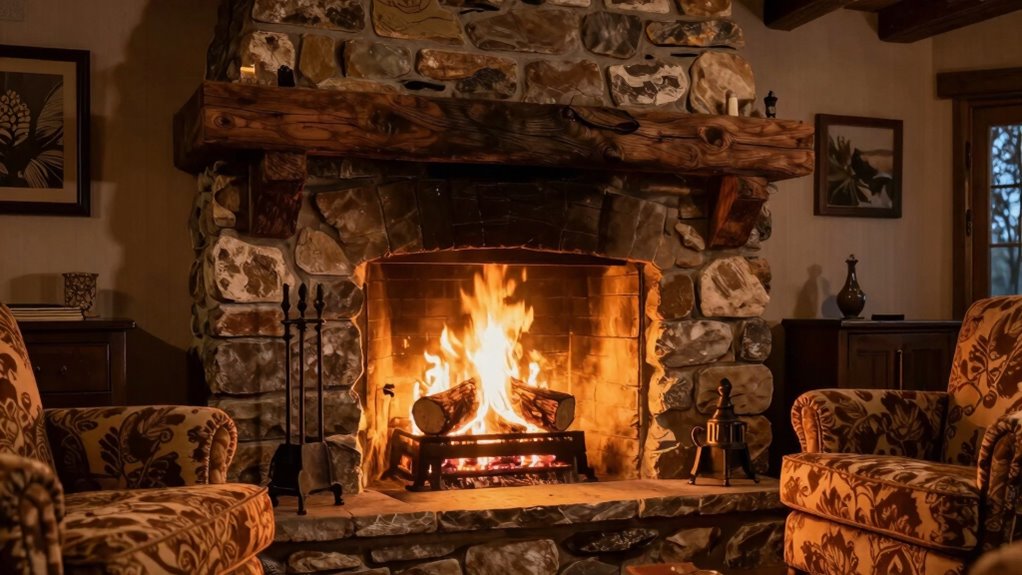
When it comes to fireplaces, many assume that a larger firebox automatically means higher operating costs, but that’s not always the case. The size of your fireplace doesn’t necessarily dictate how much you’ll spend on fuel or maintenance. Instead, several other factors influence your overall costs, especially when considering fireplace installation and fuel efficiency. A bigger fireplace may seem like it would consume more fuel, but if it’s designed properly and used efficiently, it can be quite economical. Proper installation plays a key role here because a well-installed fireplace ensures optimal airflow, minimizes heat loss, and boosts energy efficiency. When you choose the right materials and professional installation, your larger fireplace can operate with less waste, reducing your fuel expenses over time.
Fuel efficiency is a crucial aspect to consider. Larger fireplaces often have increased heat output, which means they can heat larger spaces more effectively. If you’re heating a big room or open-concept area, a bigger fireplace can actually be more efficient because it provides ample warmth without needing to run continuously. On the other hand, smaller fireplaces might struggle to heat larger spaces, forcing you to keep them burning longer or supplement with additional heating sources, which can raise overall costs. When selecting a fireplace, look into models that are designed for high fuel efficiency, regardless of size. Features like glass doors, dampers, and efficient combustion systems can make a significant difference in how much fuel you use.
It’s also worth noting that larger fireplaces often have higher initial costs for fireplace installation, but this doesn’t necessarily mean higher operating costs. If you invest in a model that’s rated for high efficiency and ensure it’s professionally installed, you might find that your long-term energy bills stay manageable. Additionally, some larger fireplaces are compatible with alternative fuels or incorporate modern technology that improves efficiency, further reducing your costs. Don’t forget to consider your home’s insulation and ventilation as well, because these factors influence how effectively heat stays inside your space.
high efficiency fireplace insert
As an affiliate, we earn on qualifying purchases.
As an affiliate, we earn on qualifying purchases.
Frequently Asked Questions
Can a Smaller Fireplace Be More Energy-Efficient Than a Larger One?
A smaller fireplace can be more energy-efficient than a larger one because it heats a smaller space and loses less heat through the chimney or walls. Your fireplace aesthetics matter, but choosing a size suited to your room improves efficiency. Proper fireplace installation guarantees peak performance, regardless of size. So, don’t just go bigger for style; consider your space and energy use for a more efficient, cozy setup.
How Does Insulation Affect the Running Costs of Different Fireplace Sizes?
Insulation plays a vital role in how much you spend to run different fireplace sizes. Better insulation keeps heat in, making even larger fireplaces more efficient and cost-effective. If your home has good insulation, fireplace size becomes less of a concern for running costs. Also, consider fireplace aesthetics and installation challenges—larger units may look impressive but could be tricky to install and maintain, impacting overall expenses.
Do Modern Fireplaces With Advanced Technology Cost Less to Operate?
Modern fireplaces with advanced technology do tend to cost less to operate because they’re more efficient, conserve energy, and produce fewer emissions. You’ll save money on chimney cleaning since newer models generate less creosote buildup, and installation costs might be higher upfront but pay off over time. Enhanced controls and smart features also help you manage usage better, reducing ongoing expenses and ensuring cost-effective warmth.
What Maintenance Costs Are Associated With Larger Versus Smaller Fireplaces?
Larger fireplaces often have higher maintenance costs due to increased soot and ash buildup, which requires more frequent cleaning. They may also involve greater installation challenges, especially when ensuring proper ventilation and safety standards. While they enhance fireplace aesthetics, you’ll need to budget for more extensive repairs and upkeep over time. Smaller fireplaces are easier and cheaper to maintain, but may not deliver the same visual impact.
Does the Type of Fuel Influence the Operational Costs Regardless of Size?
Yes, the type of fuel substantially influences your operational costs, regardless of fireplace size. You might think bigger means more expenses, but fuel efficiency plays a vital role. Some fuels burn longer and more efficiently, lowering your operating expenses. Always consider the fuel type you choose, because it can make a big difference in how much you spend to keep your fireplace running smoothly and cost-effectively.
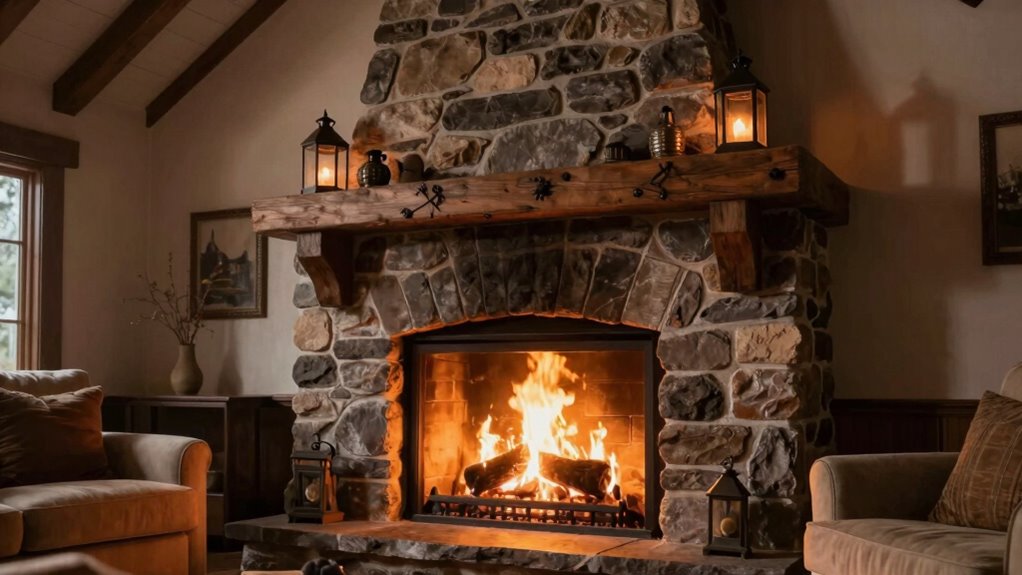
large fireplace with advanced technology
As an affiliate, we earn on qualifying purchases.
As an affiliate, we earn on qualifying purchases.
Conclusion
In the end, a bigger fireplace isn’t just about size; it’s about the warmth you choose to nurture within. As the flames dance, they symbolize the energy you invest—both financially and emotionally. Remember, the true cost isn’t measured solely in dollars, but in how much you value comfort and connection. Sometimes, a modest hearth can ignite a richer, steadier glow—reminding you that true warmth comes from mindful choices, not just size.
As an affiliate, we earn on qualifying purchases.
As an affiliate, we earn on qualifying purchases.
NFL season / tailgating Picks
team gear
As an affiliate, we earn on qualifying purchases.