
TL;DR

Get home appliances delivered free with Prime
- Fast, free delivery on millions of items
- Prime Video, Amazon Music and more included
- Member-only deals all year
Apple is holding its first dedicated smart-home event in New York on October 13, with reports pointing to a new display, refreshed HomePod Mini and Apple TV, and a homeOS built around an upgraded Siri. Those products have not been confirmed by Apple. The central question is whether its software can make devices work together safely and reliably in a complex, multi-user home.
Apple is holding its first dedicated smart-home event in New York on Tuesday, October 13, as the company appears poised to expand its Home products and bring an upgraded Siri into the home. Apple has not announced what it will reveal; reports cited by The Verge point to a smart display, refreshed HomePod Mini and Apple TV, making the event a possible reset for an ecosystem that has lagged rivals in hardware.
According to Bloomberg, Apple is preparing a smart-home display alongside updated versions of the HomePod Mini and Apple TV. MacRumors has reported that the display may be called HomeView. Apple has not confirmed the products, their names, specifications or prices, so the reports should not be treated as an announcement.
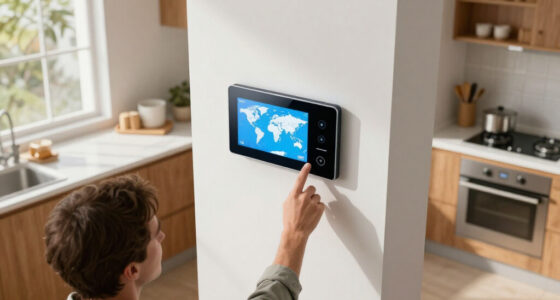
Bloomberg’s reported details describe a roughly six-inch square screen, either on a speaker base or mounted on a wall. It could use facial recognition to show personalized messages and calendars, offer controls for devices such as locks and thermostats, and support FaceTime and intercom calls. The report puts the potential price at about $350. The Verge argues that these features resemble existing smart displays and that the software, rather than the hardware, would need to distinguish Apple’s product.
The same Bloomberg report says the display could run a new homeOS built around Siri AI. That software has not been detailed publicly. Apple Intelligence was announced in 2024, but the source report says the newer Siri reached users only recently, while the company’s existing HomePods and Apple TV have relied on a more basic version of Siri.
Siri Could Define Apple’s Home Strategy
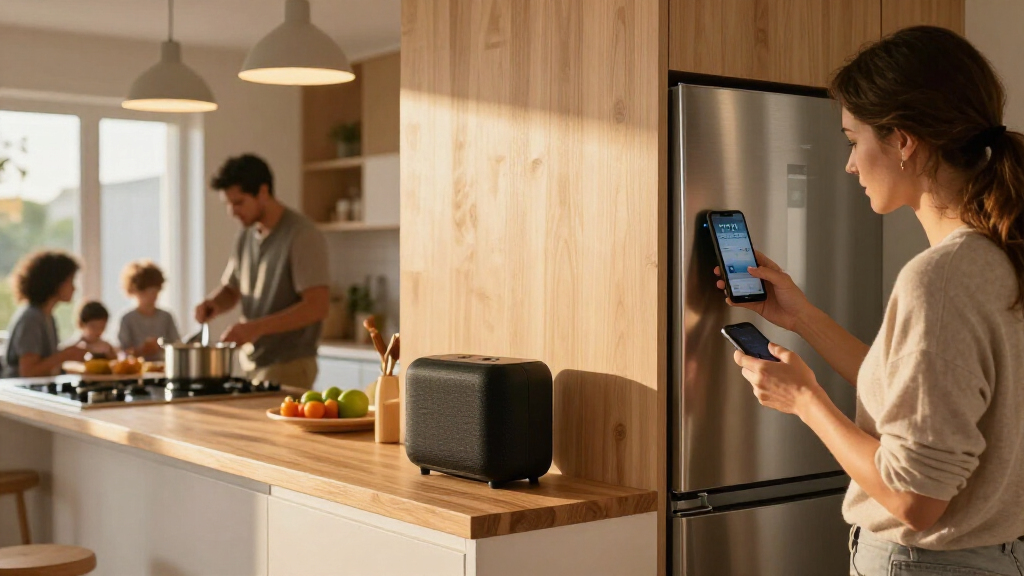
The potential launch matters because a display alone would not resolve the main challenge in smart homes: making products from different categories and manufacturers work together in ways that are useful and dependable. If Siri can understand household context and coordinate devices, Apple could make its existing Home app and compatible accessories more valuable without relying solely on a new screen.
The possible features described in reports suggest why that capability could matter. A system might, for example, alert residents that an oven is on when nobody is home, or suggest adjusting the air conditioning if a window is open. These are illustrative possibilities, not confirmed Apple features. In a home, an assistant’s errors can affect locks, heating, security or other connected equipment, so reliability and clear user control are as important as conversational ability.
Apple’s opportunity is also a competitive one. Amazon and Google have spent years selling smart speakers and displays, and both have introduced generative-AI assistants for the home. The Verge describes those efforts as facing limitations of their own. Apple could attract customers if it connects its personal assistant, devices and home controls more smoothly, but the event alone will not establish that it has done so.
As an affiliate, we earn on qualifying purchases.
Apple’s Long Gap in Home Hardware
Apple introduced the HomeKit platform in 2014. The HomePod Mini dates to October 2020, and the newest Apple TV 4K was four years old at the time of The Verge’s report. Those products can participate in home automation, but the report characterizes them primarily as a speaker and a media streamer rather than dedicated smart-home control devices.
Smart displays from Amazon and Google have offered voice and touchscreen controls, camera feeds and video calls, yet The Verge says the category has seen limited innovation and often serves mainly as a digital photo frame. A new Apple display would enter an established market rather than create one.
Apple has also changed the foundations of its smart-home platform. The Verge reports that, after helping establish the Matter standard, Apple rebuilt HomeKit’s underlying architecture and updated the Home app about four years ago. Matter and Thread can help devices connect across brands, but they are standards, not complete home-management software. The platform still has to make setup, routines and device control work in practice.
““A smart home isn’t just about the devices you put in it. It’s about making them work together.””
— The Verge report
smart home display with facial recognition
As an affiliate, we earn on qualifying purchases.
As an affiliate, we earn on qualifying purchases.
Products and Siri Capabilities Unconfirmed
Apple has not disclosed the event’s agenda or confirmed any of the reported products, the HomeView name, a $350 price, or the proposed homeOS. The exact launch timing, supported devices, availability and geographic reach are also unknown.
It is also unclear how much of the upgraded Siri will be ready for home use, what tasks it will be allowed to perform, and how it will handle different household members and connected equipment. The source report says rival assistants have encountered delays or capability limits; Apple’s own performance remains untested. Any claim that its system will be more capable or safer is, at this stage, a prediction rather than a confirmed result.
As an affiliate, we earn on qualifying purchases.
The October 13 Event Is the Test
Apple’s event on Tuesday, October 13, is the next opportunity to confirm whether the reported display, refreshed HomePod Mini and Apple TV are real, and to explain how Siri will operate in the home. Product demonstrations, pricing and release dates would clarify the scope of the launch.
After any announcement, the key test will be how the products perform in real homes: whether setup is straightforward, whether devices from different brands work together, and whether Siri handles household requests accurately without taking unsafe or unwanted actions. Until Apple provides those details and users can test the system, the company’s prospects in the smart home remain an opportunity, not an established win.
As an affiliate, we earn on qualifying purchases.
Key Questions
What is Apple expected to announce at its smart-home event?
Reports cited by The Verge point to a smart display, refreshed HomePod Mini and Apple TV, potentially alongside a new homeOS. Apple has not confirmed those products or published an event agenda.
What is the reported Apple smart display?
Bloomberg’s reported description is a roughly six-inch square display for a speaker base or wall mount, with possible personalized information, smart-home controls and FaceTime or intercom calls. The details and the reported HomeView name remain unconfirmed.
Why would Siri matter more than the display?
A display can show information and controls, but the broader challenge is coordinating devices and household routines. The report’s analysis is that software and reliable assistant behavior would determine whether Apple’s system offers more than familiar hardware features.
Has Apple confirmed a $350 price or release date?
No. The $350 price is attributed to a Bloomberg report, and Apple has not confirmed pricing or a release date for the rumored products.
Source: rss
Halloween Picks
halloween
As an affiliate, we earn on qualifying purchases.