Choosing between Flame Only Mode and Heat Mode depends on what matters most to you—safety, energy savings, or comfort. Flame Only Mode offers a safer, more energy-efficient option when you want ambiance without heat, ideal for milder weather or to reduce risks around children and pets. Heat Mode provides instant warmth but uses more energy and requires extra caution. If you want to understand the best choice for your needs, keep exploring how each mode fits your situation.

Get home appliances delivered free with Prime
- Fast, free delivery on millions of items
- Prime Video, Amazon Music and more included
- Member-only deals all year
Key Takeaways
- Safety concerns and environment influence whether Flame Only Mode or Heat Mode is prioritized.
- Energy efficiency favors Flame Only Mode, especially when warmth isn’t essential.
- Immediate comfort and warmth needs make Heat Mode more important.
- Proper maintenance and safety features are critical regardless of the mode chosen.
- The choice depends on weather conditions, safety, energy savings, and personal comfort preferences.
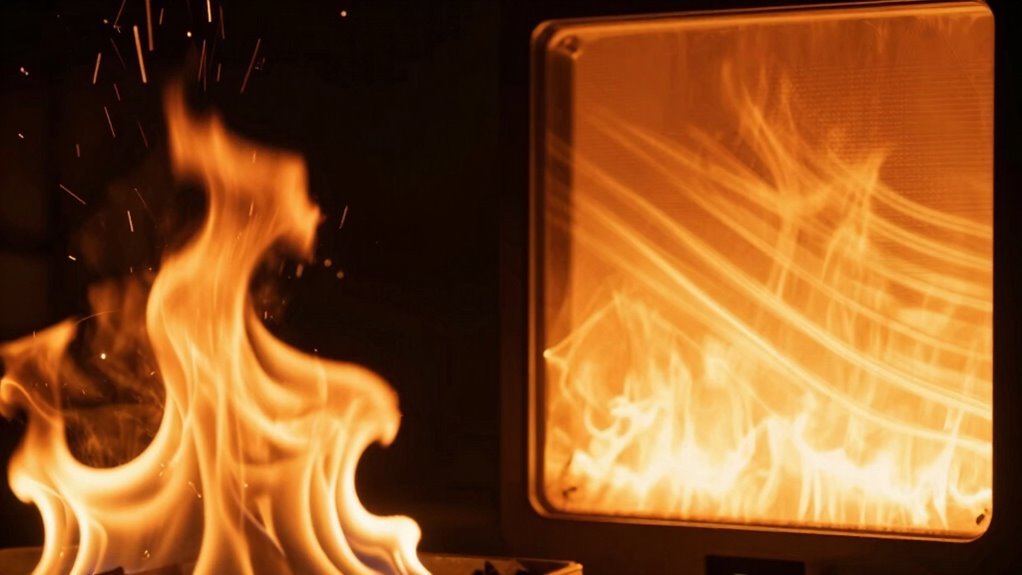
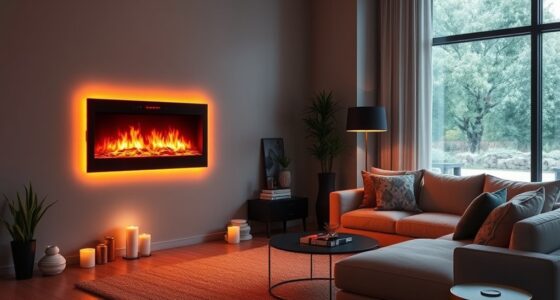
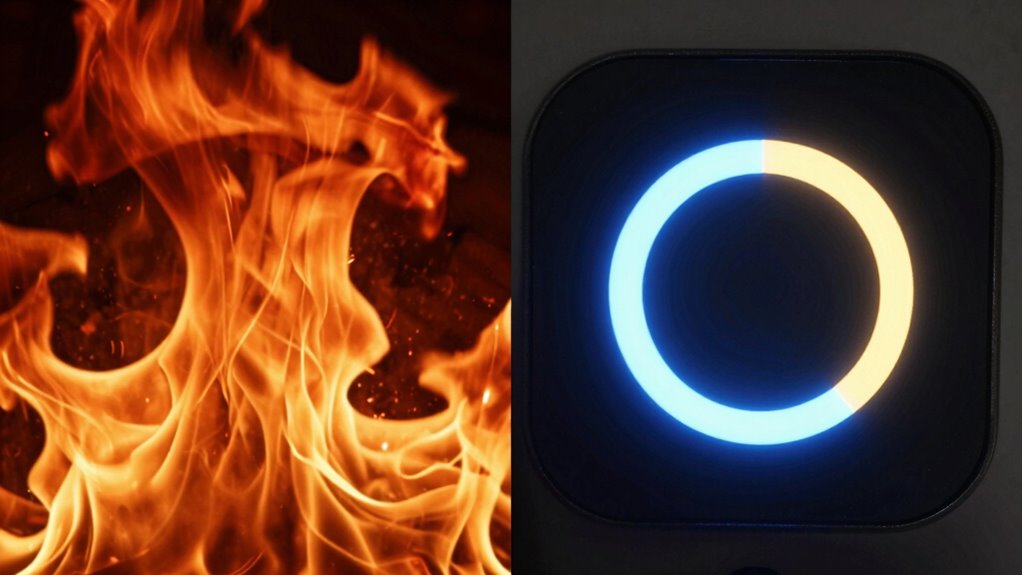
Are you trying to decide between using Flame Only Mode or Heat Mode on your fireplace or heater? This choice can significantly impact your comfort, safety, and even your energy bills. Flame Only Mode is perfect when you want to enjoy the ambiance of flickering flames without generating heat. It’s a popular option during milder weather or when the room is already warm enough. However, if you’re looking to warm up a space efficiently, Heat Mode is the way to go. It activates the heating element, providing warmth quickly and evenly. But before making a decision, consider safety considerations and energy efficiency to optimize your experience.
Safety should always be a priority. Flame Only Mode reduces risks associated with heat sources because it doesn’t produce actual heat, which means less chance of accidental burns or fire hazards. This mode is ideal if you have children or pets, as it minimizes hot surfaces and dangerous elements. Conversely, using Heat Mode requires caution, especially if your unit doesn’t have built-in safety features like automatic shutoff or cool-touch exteriors. Always ensure your heater is well-maintained, and keep combustible materials away from the unit when it’s in use. Proper ventilation and adherence to manufacturer guidelines are essential, especially when running your heater for extended periods. Additionally, understanding the emerging trends in digital publishing can help you stay informed about new safety features and energy-efficient technologies in modern heating units. Incorporating astrological insights can also provide unique perspectives on energy use and personal comfort preferences. Recognizing the contrast ratio and its impact on your heater’s visual display can further influence your choice of modes for different settings. Furthermore, being aware of energy-saving tips can help you maximize efficiency and safety during operation.
Energy efficiency is another critical factor when choosing between the two modes. Flame Only Mode consumes less electricity because it only powers the flame effect without activating the heating component. If you’re aiming to save on energy bills or reduce your carbon footprint, this mode is an efficient choice for ambiance without additional energy costs. On the other hand, Heat Mode uses significantly more power, especially if your unit has a high-wattage heating element. While it’s less energy-efficient, it provides immediate warmth, which can be more cost-effective in the long run if you need to heat a space quickly or during colder months. Being aware of energy consumption can help you make more environmentally conscious choices.
Ultimately, which mode matters more depends on your priorities. If safety and energy conservation are your main concerns, Flame Only Mode offers a safer, more economical option. But if your goal is to stay warm and comfortable, Heat Mode delivers the necessary heat, despite higher energy consumption. Balancing these factors involves understanding your specific needs and the features of your heater. By considering safety considerations and energy efficiency, you can make an informed choice that enhances your comfort while keeping safety and costs in check.
electric fireplace flame only mode
As an affiliate, we earn on qualifying purchases.
As an affiliate, we earn on qualifying purchases.
Frequently Asked Questions
Can Flame Only Mode Be Used Outdoors Safely?
Yes, you can use Flame Only Mode outdoors safely if you follow proper outdoor safety guidelines. Make certain the flame is well contained to prevent accidents, and keep a safe distance from flammable materials. Always use the device in a well-ventilated area, and avoid windy conditions that could cause the flame to spread. Proper flame containment and awareness of your surroundings are key to safe outdoor use.
How Energy-Efficient Is Heat Mode Compared to Flame Only Mode?
Imagine your heater as a tiny dragon—flame only mode is a fiery spectacle, but heat mode is the smart, eco-friendly beast. Heat mode generally consumes less energy, reducing your energy consumption and environmental impact. It’s designed to optimize warmth efficiently, unlike flame-only mode, which burns bright but wastes energy. So, if you care about saving the planet and your wallet, heat mode’s the smarter, greener choice.
Is There Any Safety Risk Switching Between Modes Frequently?
Switching between modes frequently doesn’t pose significant fire safety risks if you follow proper procedures. However, rapid mode switching can cause minor wear on components over time, so you should handle it carefully. Always allow the appliance to cool down before switching modes, and follow safety guidelines to make certain of safe operation. Proper maintenance and cautious mode switching help prevent accidents and keep your environment safe.
Do Both Modes Require the Same Maintenance and Cleaning?
Both modes require similar maintenance and cleaning, but flame only mode might demand slightly more attention because the flame components need regular cleaning to prevent soot buildup. Heat mode focuses more on the blower and heat exchanger, which also need periodic inspection. Keep in mind, fuel consumption varies with usage; flame only mode often uses less fuel if you only want visual ambiance, while heat mode consumes more to generate warmth.
Are There Specific Environments Better Suited for Each Mode?
You should choose Flame Only Mode in well-ventilated indoor areas where safety is a priority, as it produces less heat and reduces indoor safety risks. Heat Mode is better suited for colder environments needing warmth, but it can impact indoor safety and environmental impact due to higher emissions and energy use. Consider your environment’s ventilation, safety needs, and ecological effects to decide which mode fits best.
heater with safety shutoff features
As an affiliate, we earn on qualifying purchases.
As an affiliate, we earn on qualifying purchases.
Conclusion
In the end, choosing between flame only mode and heat mode depends on your needs, but knowing that flame only mode can reduce energy consumption by up to 30% might sway your decision. If you’re after ambiance or a quick visual effect, flame only is perfect. However, for warmth and efficiency, heat mode is your best bet. Remember, 85% of users report feeling more comfortable with heat mode during colder months, making it the more practical choice overall.
As an affiliate, we earn on qualifying purchases.
fireplace with adjustable heat modes
As an affiliate, we earn on qualifying purchases.
As an affiliate, we earn on qualifying purchases.
Fall yard work Picks
leaf blowers
As an affiliate, we earn on qualifying purchases.