Electric fireplaces are generally safe if you follow proper installation and usage guidelines. They have built-in safety features like automatic shut-offs and don’t produce open flames, reducing fire risks. Regularly inspecting cords, avoiding overloading circuits, and keeping flammable objects away are essential for safety. Properly maintained, these units offer a reliable heating option. To understand how to keep your electric fireplace secure and enjoy it safely, discover more about best practices and safety tips.
Key Takeaways
- Electric fireplaces have lower fire risks as they do not produce open flames or embers.
- They include safety features like automatic shut-offs for overheating or tipping over.
- Proper installation, regular inspection, and maintenance are essential to ensure electrical safety.
- Using the unit as instructed, avoiding extension cords, and keeping flammable objects away enhances safety.
- Overall, electric fireplaces are safe when operated correctly and maintained properly.
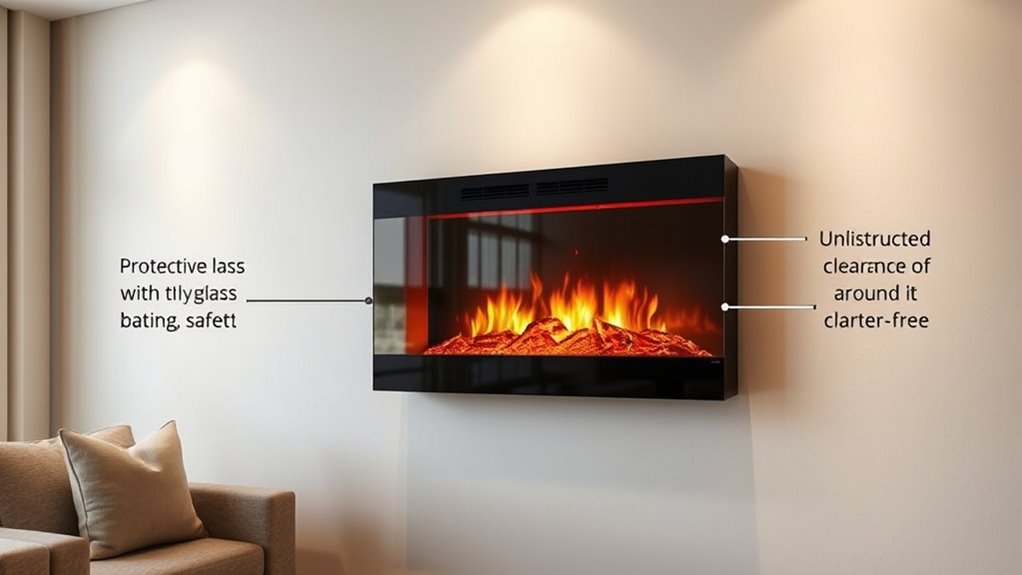
Electric fireplaces offer a convenient and attractive way to add warmth to your home, but safety should always come first. When considering these appliances, it’s crucial to understand how they impact fire hazard levels and electrical safety. Unlike traditional wood-burning fireplaces, electric models don’t produce open flames or embers, which greatly reduces the risk of accidental fires. However, this doesn’t mean they’re entirely risk-free. Proper installation and maintenance are critical to minimizing any fire hazard, especially since faulty wiring or damage to the unit can still pose safety concerns.
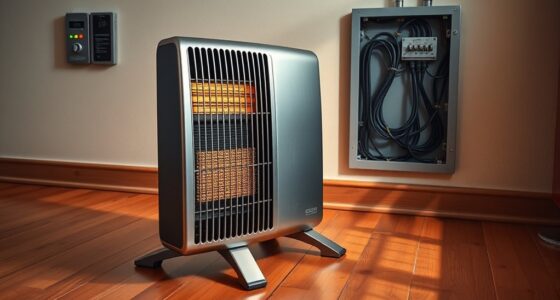
Electrical safety is one of the biggest advantages of electric fireplaces. They operate on standard household outlets, and most come with built-in safety features like automatic shut-offs if overheating occurs or if the unit tips over. These features are designed to prevent potential hazards, but they only work if the appliance is in good condition and properly used. You should always follow the manufacturer’s instructions carefully, ensuring the unit is plugged into a grounded outlet and kept away from water or moisture, which could cause electrical shorts or shocks. Overloading the circuit by plugging multiple high-wattage devices into the same outlet can also be dangerous, so be mindful of your home’s electrical capacity.
Electric fireplaces feature safety shut-offs and require proper grounding and circuit capacity awareness.
Another aspect of electrical safety involves regular inspection and maintenance. Check the power cord and plug for any signs of damage, such as fraying or cracking. Never attempt to repair electrical components yourself; instead, contact a qualified technician if you notice any issues. Keeping the area around your electric fireplace clear of clutter and flammable objects further reduces fire risk. Even though electric fireplaces produce minimal heat compared to traditional fireplaces, the heating element can still get hot enough to ignite nearby materials if they come into contact. Always keep a safe distance from curtains, furniture, or paper items.
Additionally, you should verify your home’s wiring is up to date and capable of supporting the electric fireplace. Older homes with outdated electrical systems may require an upgrade to promote safety. Using the fireplace as intended, avoiding extension cords, and not leaving it unattended for long periods are simple steps that greatly enhance your safety. Proper integration with home electrical systems and adherence to safety guidelines are essential for minimizing risks. While electric fireplaces are generally safe and come with built-in safety features, your vigilance and good maintenance habits are fundamental in preventing fire hazards. By understanding how to properly operate and care for your electric fireplace, you can enjoy its warmth with peace of mind, knowing you’ve minimized potential risks related to electrical safety and fire hazard.

EUHOMY 50 Inch Electric Fireplace Wall Recessed and Wall Mounted with Adjustable Flame Color, Fireplace Heater with Remote Control, Linear Fireplace with Timer, Touch Screen, Log & Crystal, 750/1500W
Package Inclusions & 2-Year Technical Support: : The EUHOMY electric fireplace is equipped with 1* carbon log, 1*...
As an affiliate, we earn on qualifying purchases.
Frequently Asked Questions
Can Electric Fireplaces Be Used Outdoors Safely?
Yes, you can use electric fireplaces outdoors safely if they’re designed for outdoor heating. Look for models with weather resistance to handle outdoor conditions. These fireplaces are built to withstand moisture and temperature changes, making them suitable for patios or decks. Always follow the manufacturer’s instructions and guarantee proper placement to prevent damage. With the right outdoor-specific electric fireplace, you’ll enjoy cozy warmth safely outside.
Are Electric Fireplaces Safe Around Children and Pets?
Think of your electric fireplace as a friendly, glowing guardian that’s safe around children and pets when used properly. Child safety and pet protection are prioritized because electric fireplaces have no real flames or hot surfaces. For example, a family kept their toddler safe while the pet lounged nearby, thanks to a secure mantel and safety features. Always supervise, keep pets and kids at a safe distance, and use safety screens for peace of mind.
Do Electric Fireplaces Emit Any Harmful Fumes or Emissions?
Electric fireplaces don’t emit harmful fumes or emissions, so they don’t affect your air quality. You won’t have to worry about fumes like with traditional wood or gas fireplaces that produce smoke or carbon monoxide. This makes electric fireplaces a safe choice for your home, especially if you’re concerned about indoor air quality. You can enjoy the ambiance without compromising your health or breathing environment.
What Maintenance Is Required to Ensure Safety Over Time?
To keep your electric fireplace safe, regularly inspect the cord for damage and avoid pinching or fraying. Make certain the plug fits securely and don’t overload outlets. Schedule electrical inspections if you notice flickering or unusual sounds, which might indicate wiring issues. Keep the area around the fireplace clear of clutter, and clean it as recommended by the manufacturer. These simple steps help prevent hazards and maintain safe operation over time.
Are There Specific Safety Certifications to Look For?
You should look for electric fireplaces with safety certifications like UL or ETL, which guarantee they meet strict electrical standards. These certifications confirm the product adheres to fire safety and electrical standards, reducing risks like electrical fires or malfunctions. Always check for labels from reputable organizations, and verify that the unit complies with local safety guidelines. Choosing certified models helps you enjoy your fireplace safely and confidently.
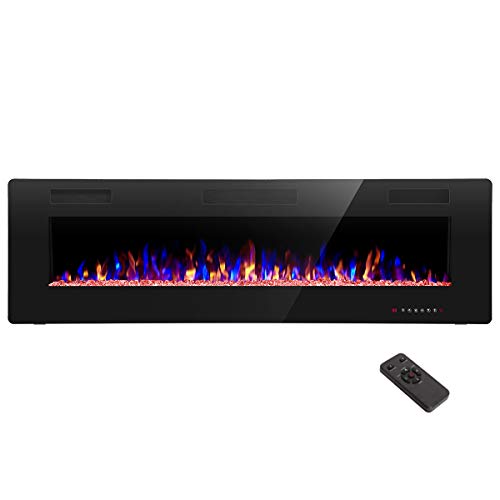
R.W.FLAME 60" Recessed and Wall Mounted Electric Fireplace, Low Noise, Fit for 2 x 6 Stud, Remote Control with Timer, Touch Screen, Adjustable Flame Color and Speed, 750-1500W
Attractive and Practical Design: 3.86"D x 60"W x 18.11"H,The thickness of the new style is only 3.86 inches...
As an affiliate, we earn on qualifying purchases.
Conclusion
Overall, electric fireplaces are incredibly safe when you follow basic precautions, like keeping them away from flammable items and not leaving them unattended. As long as you stay vigilant, you’ll enjoy the cozy warmth without risking your home or safety—it’s practically like having a tiny, harmless volcano in your living room! Just remember to use them responsibly, and you’ll get all the comfort without any of the danger. Your home will thank you for it!

Westinghouse 60 Inch Electric Fireplace Heater, Compatible with Alexa & Google Home, Wall Mount or in-Wall Recessed Fireplace Insert, 24 Hour Timer, Color Changing Flames, 750W/1500W Indoor Heater
CUSTOMIZE APPEARANCE: Up to 144 total color combinations for flames and embers, 5 independent brightness levels, and 5...
As an affiliate, we earn on qualifying purchases.

Touchstone Smart Electric Fireplace-The Sideline 50" Wide-in Wall Recessed - 30 Realistic Ember Color/Flame Options - 1,500W Heater w/Thermostat - Log & Crystal Hearth Options - Alexa/WiFi Enabled
APPEARANCE: The Sideline electric fireplace is designed for recessed in-wall mounting. Creating a cozy atmosphere of a traditional...
As an affiliate, we earn on qualifying purchases.