
To spot early wear before your fireplace fails, regularly check for rust stains, corrosion, or cracks on the chimney exterior and around metal components. Inspect the flashing and cap for damage or gaps, as these can allow water to seep in. Inside, watch for soot buildup, smoke backdrafts, or odors indicating moisture issues. Addressing these signs early can prevent costly repairs and guarantee safety—continue exploring to learn more about keeping your chimney in top shape.

Get home appliances delivered free with Prime
- Fast, free delivery on millions of items
- Prime Video, Amazon Music and more included
- Member-only deals all year
Key Takeaways
- Regularly inspect chimney exterior for rust stains, corrosion, or damaged metal components.
- Check masonry for hairline cracks or shifting bricks that indicate structural stress.
- Examine the chimney cap and flashing for damage, gaps, or rust that could lead to leaks.
- Monitor indoor signs like soot buildup, smoke backdrafts, or musty odors indicating internal issues.
- Schedule professional inspections to identify early deterioration and perform timely maintenance.
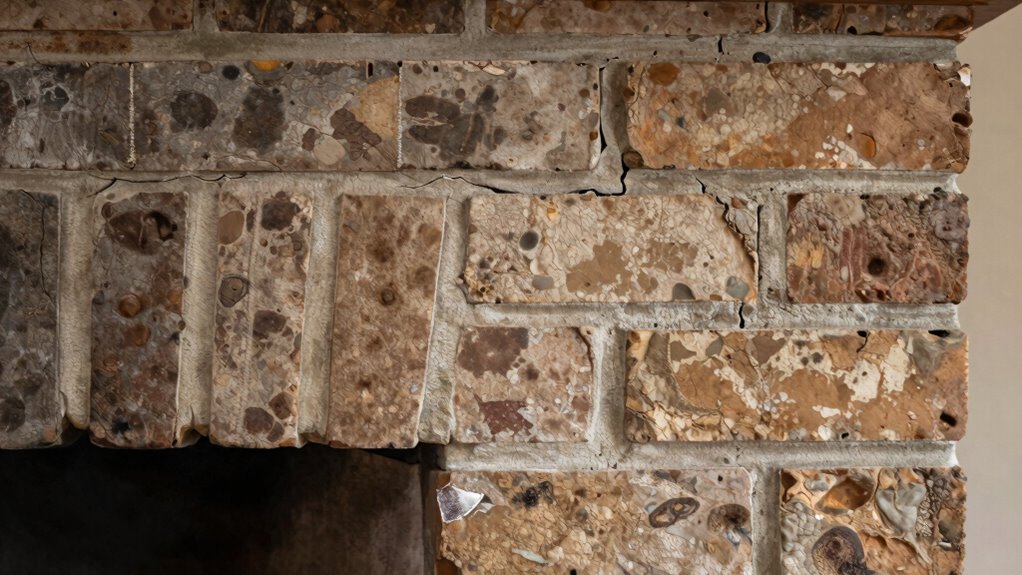
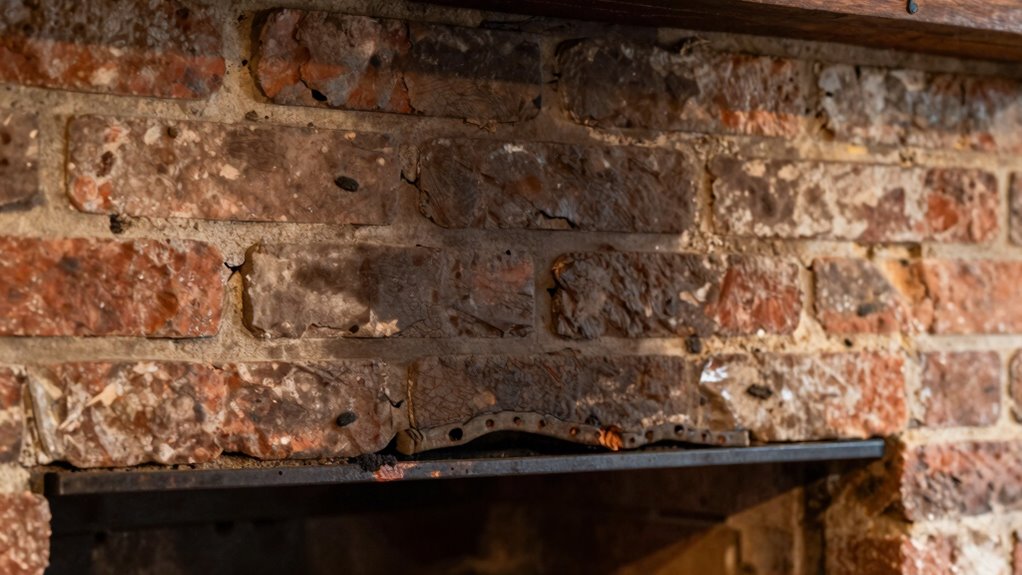
Fireplaces are a cozy centerpiece in your home, but they can also pose safety risks if early signs of wear go unnoticed. One of the most common issues to keep an eye on is chimney corrosion. Over time, moisture can seep into the chimney structure, especially if the flashing or crown isn’t properly sealed. This constant exposure to water causes metal components to rust and degrade, weakening the overall integrity of the chimney. If you notice rust stains on the exterior or rusted metal parts around your fireplace, it’s a clear sign that corrosion is taking hold. Ignoring this can lead to dangerous leaks or even structural failure, so addressing it early is crucial.
Watch for rust stains and damaged caps to prevent costly chimney corrosion and structural issues.
Another critical indicator of trouble is masonry cracks. These cracks often develop gradually but can quickly become serious if left unchecked. Look closely at the chimney’s brickwork and mortar joints. Small, hairline cracks are common and not necessarily urgent, but larger gaps or shifting bricks suggest that the structure is under stress. Changes in temperature or moisture levels can cause the masonry to expand and contract, eventually leading to cracks. These fractures not only compromise the chimney’s stability but also allow water to penetrate deeper into the structure. Water infiltration accelerates corrosion and increases the risk of further damage, especially if it reaches the flue liner or other internal components. Additionally, contrast ratio plays a role in how well internal cracks and damage are visually detectable, emphasizing the importance of regular inspections. Incorporating fireplace safety measures and maintenance practices can help prevent costly repairs and ensure continued safe operation. Regular inspections of chimney components are essential to catch early signs of deterioration before they become serious issues. Remember, preventive maintenance can save you money and time in the long run by addressing problems before they escalate.
You should also pay attention to visible deterioration around the chimney cap and flashing. Damaged or missing caps expose the interior to rain, snow, and debris, which can accelerate corrosion and cause masonry to weaken. Similarly, loose or rusted flashing creates gaps where water can leak into the chimney cavity, promoting corrosion and cracking. Regularly inspecting these elements helps you catch issues before they escalate into costly repairs or safety hazards. Preventive home maintenance strategies, such as sealing and replacing worn parts, are key to extending the lifespan of your chimney system.
Finally, keep an eye out for signs inside your home, such as soot buildup or smoke backdrafts, which may hint at underlying structural problems. If your fireplace starts producing less heat or smells musty, it could mean moisture is compromising the chimney or flue system. Early detection of chimney corrosion and masonry cracks allows you to schedule timely repairs with professionals, ensuring your fireplace remains safe, efficient, and a warm gathering spot for years to come.
As an affiliate, we earn on qualifying purchases.
Frequently Asked Questions
How Often Should I Inspect My Fireplace for Early Signs of Wear?
You should inspect your fireplace for early signs of wear at least once a year, especially before heavy use seasons. Incorporate these checks into your fireplace safety routine and maintenance checklist, looking for cracked bricks, rust, soot buildup, or damaged mortar. Regular inspections help catch issues early, preventing costly repairs. If you notice anything unusual, consult a professional to guarantee your fireplace remains safe and functional for years to come.
Can Early Wear in a Fireplace Be Repaired Easily?
Early wear in a fireplace can often be repaired easily if you catch it early. Regular fireplace maintenance helps identify issues like cracked bricks or damaged mortar, which you can fix with simple repair techniques such as resealing or replacing damaged parts. For more significant problems, it’s best to consult a professional. Quick repairs prevent costly damage later, ensuring your fireplace remains safe and functional for years to come.
What Are the Main Causes of Early Fireplace Deterioration?
You might not notice it at first, but the main causes of early fireplace deterioration often stem from neglecting chimney safety and poor fireplace maintenance. Excess moisture, creosote buildup, and structural cracks silently weaken your fireplace’s integrity. Over time, these issues accelerate wear, risking costly repairs or failure. Stay vigilant—regular inspections and proper maintenance are your best defenses against unseen damage that could threaten your home’s safety and warmth.
Are There Specific Signs in the Chimney Indicating Potential Failure?
You should watch for signs like chimney blockages or creosote buildup, which indicate potential failure. If you notice persistent smoke, strong odors, or soot around the chimney cap, it’s time to inspect further. Blockages can trap dangerous gases, and creosote buildup increases fire risk. Regularly clean and examine your chimney, especially if you see dark deposits or suspect obstructions, to prevent early deterioration and guarantee safe operation.
Should I Hire a Professional for Routine Fireplace Inspections?
Yes, you should hire a professional for routine fireplace inspections. Regular fireplace maintenance guarantees your system functions safely and efficiently, reducing fire risks. Professionals can identify early signs of wear or damage that you might miss, helping you follow safety precautions effectively. Routine inspections offer peace of mind, prolong your fireplace’s lifespan, and keep your home safe. Don’t skip these essential checkups; they’re a crucial part of responsible fireplace ownership.
As an affiliate, we earn on qualifying purchases.
Conclusion
By paying close attention to subtle cracks, signs of discoloration, or uneven wear, you can catch early warning signs before your fireplace’s heart gives out. Imagine the gentle glow flickering weakly, hinting at unseen fractures beneath the surface—like a whisper of trouble waiting to grow. With a keen eye and regular checks, you become the vigilant guardian of warmth, ensuring your fireplace remains a comforting ember rather than a forgotten ruin, ready to reignite safely whenever you need it most.
As an affiliate, we earn on qualifying purchases.
As an affiliate, we earn on qualifying purchases.
Columbus Day / Indigenous Peoples' Day Picks
long weekend sales
As an affiliate, we earn on qualifying purchases.