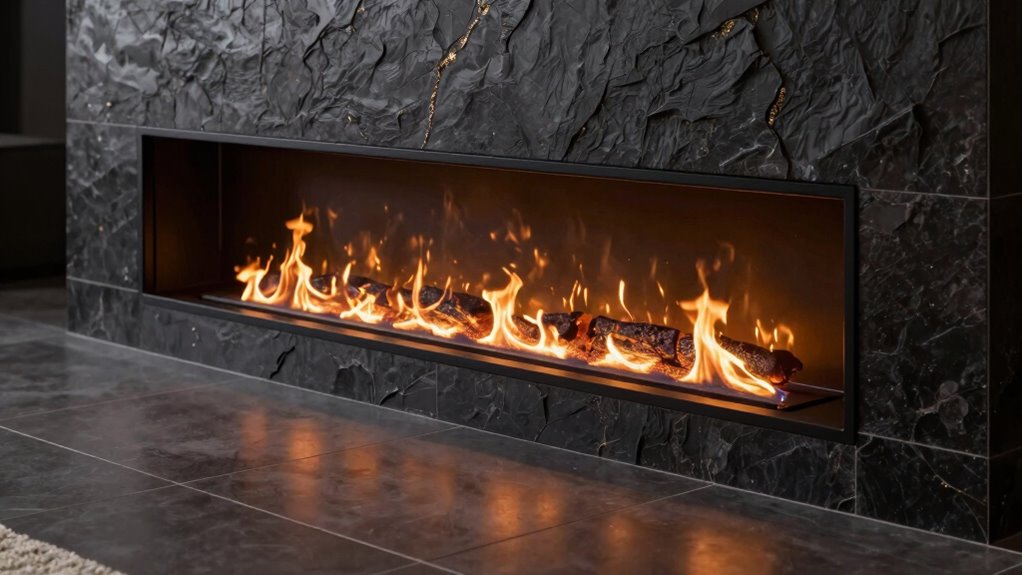
Cold floors often mean your electric fireplace isn’t placed or insulated effectively, causing uneven heat distribution in your room. If the fireplace is near a corner or on an outside wall, warm air may struggle to reach the ground, leaving floors chilly. Poor insulation or airflow blockage can also cause this issue. To fix it, consider better placement and insulation. Keep exploring to uncover more tips that could make your floors warm and comfortable.

Get home appliances delivered free — and shop member deals
- Fast, free delivery on millions of items
- Access to Prime Big Deal Days deals on October 6–7
- Prime Video, Amazon Music and more included
Key Takeaways
- Cold floors indicate poor heat distribution or insufficient insulation near the flooring area.
- The fireplace may be placed too far from the room’s center, limiting even heat spread.
- Placement near exterior walls or corners can cause uneven heating and cold spots on floors.
- Obstructions like furniture or curtains blocking airflow can prevent warm air from reaching the ground.
- Additional heating methods or better insulation are needed if the fireplace alone doesn’t warm the entire room evenly.
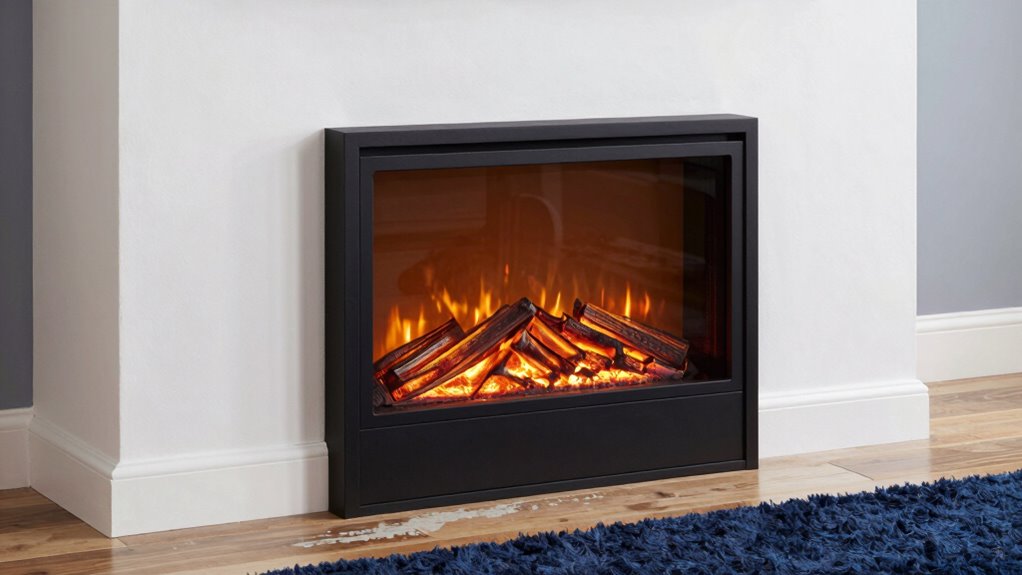
Cold floors can make a room uncomfortable, especially if you’re relying on an electric fireplace for warmth. When your floors feel chilly underfoot, it’s a clear sign that heat isn’t circulating evenly, which often points to issues with thermal insulation or the placement of your heating source. An electric fireplace is a great upgrade for cozy evenings, but if the floors remain cold, it indicates that the heat isn’t effectively reaching the lower part of your space. This imbalance can lead to uneven room temperature, making parts of the room feel colder than others.
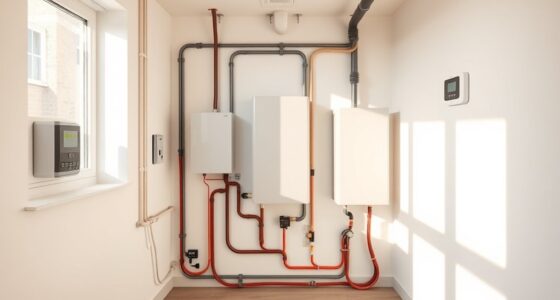
Your room’s thermal insulation plays a significant role in maintaining a consistent temperature. If the insulation isn’t up to par—perhaps gaps in the walls or poorly sealed windows—heat escapes more easily, and the electric fireplace struggles to keep the entire room warm. In these situations, even with the fireplace turned on, the floors may stay cold because the heat isn’t retained close to the ground. You might notice that the air near the ceiling feels warmer while your feet stay cold, which suggests that the heat isn’t properly distributed from the source. Improving insulation around windows, doors, and walls can help trap heat and ensure warmer floors. Additionally, proper heat circulation can help distribute warmth more evenly throughout the room. Ensuring good airflow is essential for effective heat distribution and comfort. Using fans or ceiling vents can also help move warm air downward to prevent cold spots near the floor. Incorporating thermal insulation measures around your space can further enhance heat retention and overall comfort.
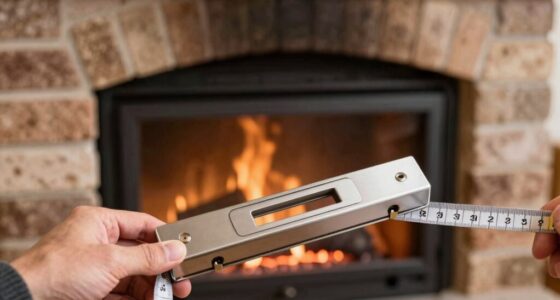
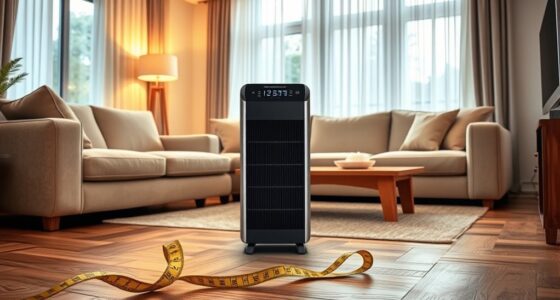
The placement of your electric fireplace also influences how effectively heat spreads throughout the room. If you position the fireplace in a corner or against an exterior wall without considering airflow, the heat may not reach all areas evenly. Ideally, you want to place the fireplace where it can circulate warm air efficiently, such as centrally located or near open spaces that allow heat to disperse. Keep in mind that placing the fireplace too close to furniture or thick curtains can block airflow, reducing its effectiveness and leaving the floors colder. Proper placement ensures that the heat distribution is optimized, making the entire room warmer and more comfortable. To combat cold floors, you should also think about adding area rugs or underfloor heating solutions, which complement your electric fireplace by providing direct warmth at foot level. These additions help improve thermal insulation at ground level, making the entire room feel warmer and more comfortable. When your room’s temperature isn’t evenly distributed, and the floors remain cold, it’s a sign that you need to reassess your setup—whether that means better insulation, smarter placement of the fireplace, or additional heating methods. Addressing these issues ensures your electric fireplace can do its job effectively, creating a cozy environment where the entire room, including the floors, feels warm and inviting.
electric fireplace heat circulation fan
As an affiliate, we earn on qualifying purchases.
As an affiliate, we earn on qualifying purchases.
Frequently Asked Questions
Can Cold Floors Damage My Electric Fireplace?
Cold floors won’t directly damage your electric fireplace, but poor thermal insulation and low flooring elevation can affect its efficiency. When floors are cold, heat escapes faster, making your fireplace work harder. You might notice uneven heating or increased energy use. To prevent issues, guarantee proper insulation under the flooring and consider elevating the fireplace slightly if needed, which helps maintain consistent warmth and protects your appliance’s longevity.
How Do I Prevent Cold Floors Near the Fireplace?
You can prevent cold floors near your electric fireplace by carefully considering floor insulation and rug placement. It’s a fortunate coincidence that adding a thick rug can create a cozy barrier, trapping warmth and preventing cold spots. Additionally, installing proper insulation beneath the flooring helps retain heat, making your space more comfortable. These simple steps guarantee your electric fireplace keeps your floors warm and inviting, turning cold into cozy.
Are There Specific Flooring Materials Better for Electric Fireplaces?
Certain flooring materials, like tile, stone, or engineered wood, are better suited for electric fireplaces because they provide excellent heat compatibility and help with floor insulation. These materials efficiently transfer and retain heat, preventing cold floors. Avoid carpets or thick rugs near the fireplace, as they hinder heat flow. Choosing the right flooring enhances safety, comfort, and energy efficiency, ensuring your electric fireplace heats your space effectively without causing cold spots.
Does the Size of the Room Affect Cold Floor Issues?
Yes, the size of your room affects cold floor issues. Larger rooms often need better insulation and thicker flooring to retain heat, reducing cold spots. With poor insulation or thin floors, heat from your electric fireplace may not spread evenly, making floors feel colder. To improve warmth, consider adding insulation, using rugs, or upgrading to thicker flooring materials. Properly addressing room size and insulation helps keep your floors warmer and more comfortable.
Can Underfloor Heating Interfere With Electric Fireplace Placement?
Think of underfloor heating and electric fireplaces as dance partners—if not carefully coordinated, they might step on each other’s toes. Underfloor heating can interfere with electric fireplace placement, risking electrical safety issues. To avoid hazards, make certain you use fireproof materials around your fireplace and follow strict safety guidelines. Proper placement prevents heat conflicts, keeps your home safe, and allows both systems to perform beautifully without one overshadowing the other.
thermal insulation for floors and walls
As an affiliate, we earn on qualifying purchases.
As an affiliate, we earn on qualifying purchases.
Conclusion
In the end, paying attention to cold floors can save you from a chilly surprise and guide you to the perfect electric fireplace placement. If your floors stay cold despite your efforts, it’s a clear sign to reconsider your setup. Remember, a well-placed fireplace can warm both your space and your spirit. Don’t let the cold shoulder your home—sometimes, it’s just a matter of looking beneath the surface to get things right.
electric fireplace placement tips
As an affiliate, we earn on qualifying purchases.
As an affiliate, we earn on qualifying purchases.
As an affiliate, we earn on qualifying purchases.
Fall Picks
fall essentials
As an affiliate, we earn on qualifying purchases.