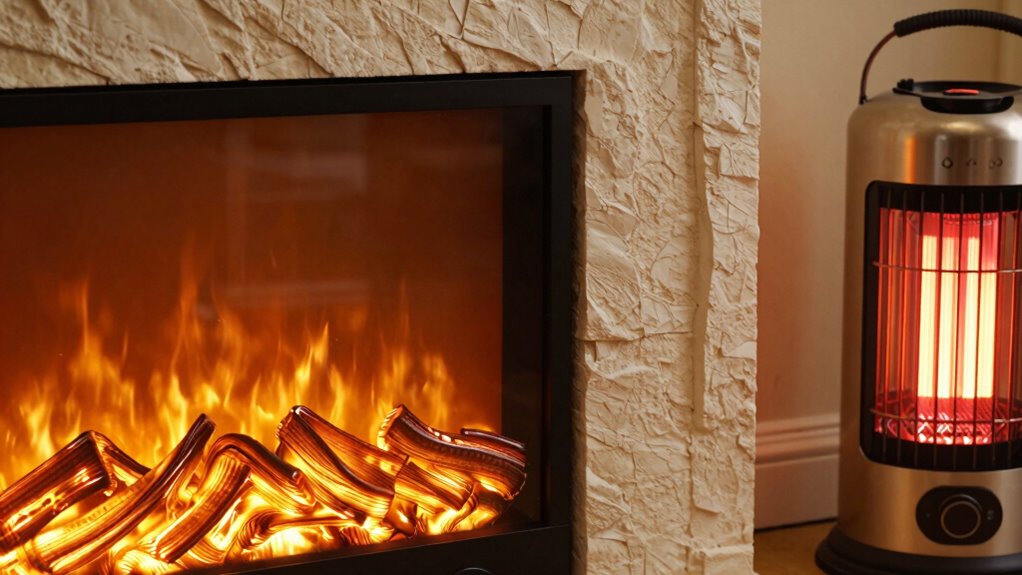

Electric fireplaces are generally safer than portable space heaters because they don’t produce open flames or real smoke, reducing fire and burn risks. They come with safety features like automatic shut-off and precise thermostats, making long-term use more secure. Portable heaters can be dangerous if touched or placed near flammable materials, and they often lack safety controls. To learn how to keep your home safer, discover more about their differences and safety tips.

Get home appliances delivered free — and shop member deals
- Fast, free delivery on millions of items
- Access to Prime Big Deal Days deals on October 6–7
- Prime Video, Amazon Music and more included
Key Takeaways
- Electric fireplaces produce no open flames or fumes, reducing fire and carbon monoxide risks.
- They often feature safety shut-off and timers, enhancing overall safety during long-term use.
- Portable heaters pose burn risks and can cause fires if placed near flammable materials.
- Electric fireplaces distribute heat evenly and are generally safer for continuous operation.
- Proper use and supervision are essential for both, but electric fireplaces inherently carry fewer hazards.
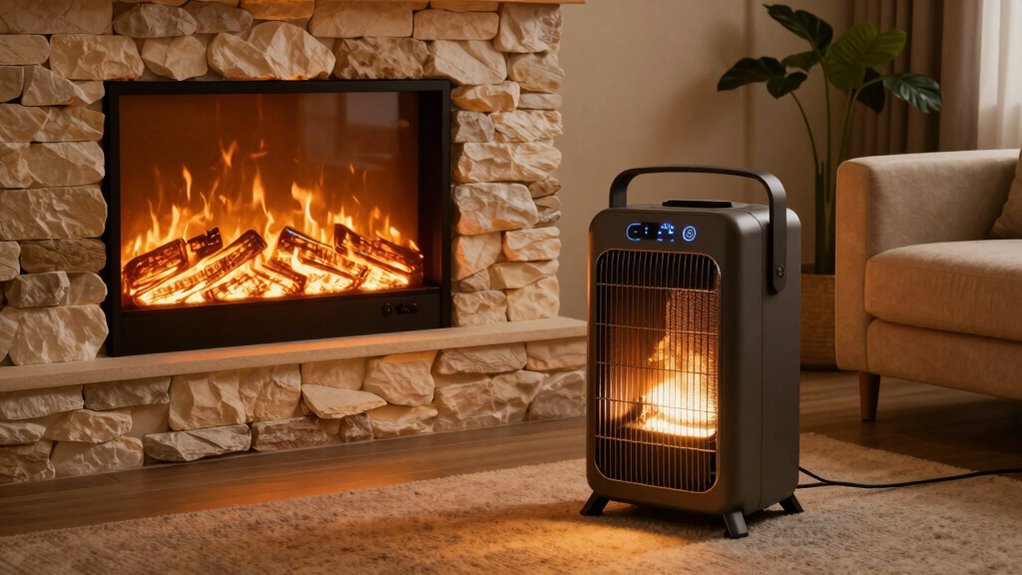
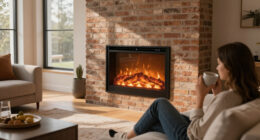
When choosing a source of supplemental heat for your home, safety is a top concern. Whether you’re considering a fireplace installation or opting for a portable space heater, understanding the safety differences is crucial. Electric fireplaces often seem like a safer choice because they produce no open flames or real smoke. They simulate the look of traditional fireplaces with LED flames and heat, but without the risks associated with combustible materials. This makes them an appealing option if safety is your priority. Plus, because they don’t produce carbon monoxide or fumes, you don’t need to worry about ventilation issues or accidental poisoning, which can happen with gas or wood-burning fireplaces.
Electric fireplaces are safer options, producing no open flames or fumes, and eliminating risks of poisoning or ventilation issues.
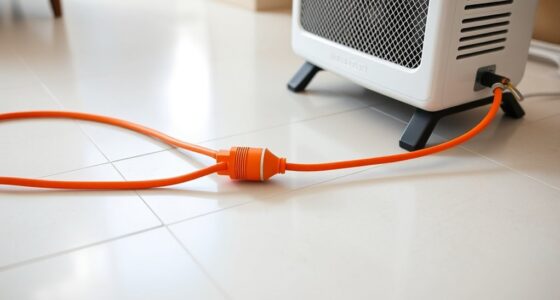
Portable space heaters, on the other hand, can offer quick, targeted warmth, but they come with inherent risks. Many models generate heat with electric coils or flames that can cause burns if touched. They also pose fire hazards if placed too close to curtains, furniture, or other flammable materials. Overheating is another concern; some models lack adequate safety shut-off features, increasing the risk of fires. It’s essential to follow manufacturer instructions carefully, keep heaters on stable surfaces, and never leave them unattended. Even with safety features, portable heaters require vigilance, especially in homes with children or pets. Proper heater placement can significantly reduce potential hazards and improve overall safety. Additionally, understanding nail biology can be metaphorically helpful—just as healthy nails require proper care to avoid issues, heaters need careful placement and maintenance to operate safely and efficiently.
When it comes to heater energy efficiency, electric fireplaces tend to outperform portable space heaters. Electric fireplaces distribute heat evenly and often come with thermostats that allow you to set and maintain a specific temperature. This precise control helps reduce energy waste, making them more efficient for sustained use. Additionally, because electric fireplaces can be integrated into your existing electrical system without needing venting or specialized installation, they’re often easier and cheaper to operate long-term. Their ability to provide supplemental heat without losing much energy in transmission makes them a practical choice for maintaining warmth comfortably and efficiently. energy efficiency is a key factor that influences long-term heating costs and environmental impact.
In contrast, portable space heaters vary widely in efficiency. Some models heat a small area quickly but aren’t suitable for larger spaces or prolonged use. Many portable heaters lack advanced temperature controls, which can lead to unnecessary energy consumption. If you’re using a portable heater for extended periods, you might see higher energy bills, especially if the heater isn’t energy-efficient. Plus, frequent on-and-off operation can increase wear and tear, reducing the heater’s lifespan. Additionally, the safety features included in modern electric fireplaces further enhance their appeal as a safer heating option. It’s also worth noting that some portable heaters have built-in timers and automatic shut-off functions that can help prevent accidents if used correctly. Moreover, the cost of operation is generally lower for electric fireplaces due to their higher efficiency and consistent heat output.
Ultimately, if safety and energy efficiency are your priorities, electric fireplaces are generally the better choice. They provide a safer, more controlled heating experience, and their design maximizes heater energy efficiency. While portable space heaters can be convenient for quick, localized warmth, they demand more careful oversight to prevent accidents. When making your decision, consider your heating needs, safety precautions, and long-term energy costs to find the best fit for your home.
electric fireplace with safety shut-off
As an affiliate, we earn on qualifying purchases.
As an affiliate, we earn on qualifying purchases.
Frequently Asked Questions
Do Electric Fireplaces Produce Harmful Emissions?
Electric fireplaces do not produce harmful emissions, so they don’t impact your indoor air quality. They operate using electricity, which means their emission levels are fundamentally zero. You won’t have to worry about indoor air pollution or the release of toxic gases, making electric fireplaces a safer option for maintaining good indoor air quality. Their clean operation ensures you enjoy the warmth without compromising your health or safety.
Can Electric Fireplaces Cause Electrical Fires?
Electric fireplaces can cause electrical fires if not properly maintained or installed, but they’re generally safer than traditional heaters. Did you know that electrical fires account for about 7% of home fires? To guarantee electrical safety and fire prevention, regularly check cords, avoid overloading circuits, and follow manufacturer instructions. Proper installation and maintenance minimize risks, helping you enjoy the ambiance without compromising safety.
Are Electric Fireplaces Suitable for Outdoor Use?
Electric fireplaces are generally not suitable for outdoor use because they lack outdoor durability and weather resistance. Exposure to rain, snow, and humidity can damage the electrical components and pose safety risks. If you want a heating option outdoors, look for models specifically designed for outdoor environments, featuring weather-resistant materials and protective casings. Always follow manufacturer guidelines to guarantee safety and longevity.
How Do Maintenance Requirements Compare Between Both Options?
You might think electric fireplaces are low-maintenance, but they do require regular cleaning of vents and filters, while portable space heaters primarily need cord checks and surface cleaning. Electric fireplaces often have more complex installation, potentially increasing costs, whereas space heaters are cheaper and easier to set up. So, if you prefer simple upkeep and lower costs, space heaters could be your better option; if you’re okay with more maintenance, electric fireplaces offer style and safety.
What Are the Energy Efficiency Differences?
Electric fireplaces generally use less energy than portable space heaters when warming a room, making them more energy efficient. Their energy consumption is lower because they often have programmable settings and better heat distribution, leading to cost savings over time. You’ll spend less on electricity bills and enjoy consistent warmth, especially if you use features like thermostats. Overall, electric fireplaces offer a more efficient and economical heating solution.
portable space heater with thermostat
As an affiliate, we earn on qualifying purchases.
As an affiliate, we earn on qualifying purchases.
Conclusion
In the end, electric fireplaces often come out ahead in safety, thanks to their enclosed design and lack of open flames or exposed heating elements. Unlike those rickety old space heaters that might’ve caused a fire in a bygone era, modern electric fireplaces are a safer, more reliable option—like having your own personal hearth without the risk of turning your castle into a fire-breathing dragon’s lair. So, choose wisely and keep your home cozy and safe.
electric fireplace insert for living room
As an affiliate, we earn on qualifying purchases.
As an affiliate, we earn on qualifying purchases.
safe space heater for children and pets
As an affiliate, we earn on qualifying purchases.
As an affiliate, we earn on qualifying purchases.
NFL season / tailgating Picks
team gear
As an affiliate, we earn on qualifying purchases.