
Yes, an electric fireplace can cause a fire if it’s not used or maintained properly. Overloading circuits, placing items too close, or faulty wiring can all increase the risk of ignition. Even modern units with safety features can fail if misused or damaged. To keep safe, follow manufacturer instructions, keep flammable materials away, and inspect cords regularly. Want to understand the key safety tips and how to prevent potential hazards? Keep going to learn more.
Key Takeaways
- Overloading electrical circuits or improper wiring can lead to overheating and fire risks.
- Placing combustible materials too close to the electric fireplace increases the risk of ignition.
- Faulty cords, damaged wiring, or unprofessional installation may cause electrical failures and fires.
- Safety features like automatic shut-offs can fail over time if not properly maintained.
- Regular inspection, proper usage, and adherence to manufacturer guidelines reduce fire hazards.
Electric fireplaces are a popular alternative to traditional wood or gas models, offering convenience and safety. They provide the cozy look of a real fire without the need for burning logs or handling gas lines. But just like any electrical appliance, they can pose certain risks if not used properly. You might wonder, can an electric fireplace cause a fire? While modern units are designed with safety in mind, understanding potential fire risks is essential for protecting your home and loved ones.
One of the key concerns when it comes to electric fireplaces is fire safety. These units are generally safe, but they can become a hazard if you ignore basic precautions. For example, overloading the electrical circuit can lead to overheating, increasing the risk of fire. It’s vital to confirm your outlet can handle the power draw of your fireplace, and avoid plugging multiple high-wattage devices into the same socket. Additionally, placing combustible materials too close to your electric fireplace can ignite if the unit gets hot or if the flames are mimicked with bright LEDs and flickering lights. Always follow the manufacturer’s clearance recommendations, and keep furniture, curtains, and papers at a safe distance.
Overloading circuits and placing flammable items near electric fireplaces can cause fires. Follow safety guidelines carefully.
Electrical hazards also contribute to fire risk. Faulty wiring, damaged cords, or improper installation can create dangerous conditions. If your electric fireplace has frayed cables or exposed wiring, it’s time to replace or repair them immediately. Never attempt to modify the electrical components yourself unless you’re qualified, as this can lead to short circuits or sparks. Regularly inspecting your unit for signs of wear or damage helps prevent electrical failures that could ignite a fire. Remember, a well-maintained electric fireplace with proper electrical connections is less likely to pose a fire risk.
While electric fireplaces are designed with safety features such as automatic shut-offs and overheating protection, these systems aren’t foolproof. Over time, parts can fail, or misuse can lead to dangerous situations. Always read and follow the safety instructions provided by the manufacturer. If you notice any unusual smells, excessive heat, or smoke, turn off the unit immediately and unplug it. This proactive approach minimizes the chance of a fire starting due to electrical hazards or mechanical failure. Ensuring your electric fireplace has proper fire safety measures can significantly reduce the risk of fires.

EUHOMY 50 Inch Electric Fireplace Wall Recessed and Wall Mounted with Adjustable Flame Color, Fireplace Heater with Remote Control, Linear Fireplace with Timer, Touch Screen, Log & Crystal, 750/1500W
Package Inclusions & 2-Year Technical Support: : The EUHOMY electric fireplace is equipped with 1* carbon log, 1*...
As an affiliate, we earn on qualifying purchases.
Frequently Asked Questions
Do Electric Fireplaces Emit Dangerous Fumes or Smoke?
Electric fireplaces don’t emit dangerous fumes or smoke hazards because they use electrical heat and LED flames instead of burning fuels. You won’t have to worry about fume emissions or smoke hazards affecting your indoor air quality. Just make certain your unit is properly maintained and plugged into a grounded outlet. Regular cleaning and inspections help prevent any potential issues, keeping your space safe and cozy without the risks associated with traditional fireplaces.
Are There Specific Safety Certifications for Electric Fireplaces?
Yes, electric fireplaces have specific safety certifications you should look for. These safety standards guarantee the appliance meets rigorous safety and performance criteria, reducing fire risks. Certification marks from organizations like UL, ETL, or CSA indicate the fireplace has been tested and approved for secure use. Always verify these marks before purchasing or installing your electric fireplace, and follow the manufacturer’s safety instructions for maximum safety.
Can Pets Accidentally Trigger a Fire With an Electric Fireplace?
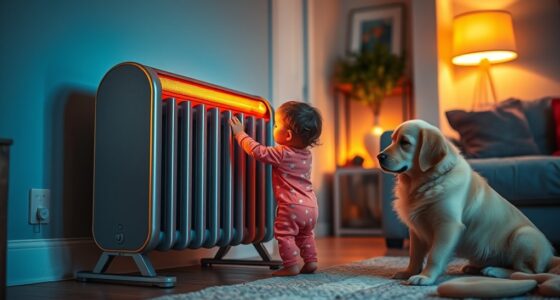
Pets can accidentally trigger fires with an electric fireplace if they chew cords, knock over units, or get too close to hot surfaces. To guarantee pet safety, keep cords out of reach, use protective barriers, and never leave your pet unattended near the fireplace. Regularly inspect the unit for damage, and follow safety guidelines to minimize the risk of accidental fires, keeping both your pets and home safe.
What Is the Average Lifespan of an Electric Fireplace?
Time flies when you’re enjoying cozy nights; an electric fireplace typically lasts around 10 to 20 years with proper maintenance. To extend its lifespan, you should regularly check for electrical safety issues and keep it clean. Proper fireplace maintenance prevents overheating and other hazards, ensuring your unit functions well over the years. Staying proactive helps you enjoy the warmth safely and makes your investment last longer.
How Often Should Electric Fireplaces Be Inspected for Safety?
You should schedule regular maintenance checks and electrical inspections for your electric fireplace at least once a year. These inspections help identify potential issues like frayed wiring or malfunctioning components that could pose safety risks. By staying proactive with maintenance checks, you guarantee your electric fireplace operates safely and efficiently, reducing the likelihood of fire hazards. Consistent inspections keep your home protected and extend the lifespan of your appliance.
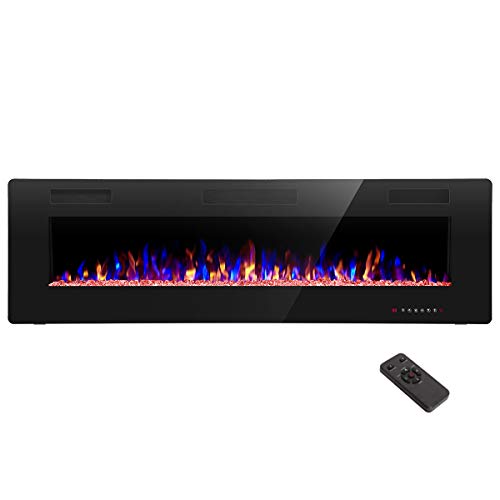
R.W.FLAME 60" Recessed and Wall Mounted Electric Fireplace, Low Noise, Fit for 2 x 6 Stud, Remote Control with Timer, Touch Screen, Adjustable Flame Color and Speed, 750-1500W
Attractive and Practical Design: 3.86"D x 60"W x 18.11"H,The thickness of the new style is only 3.86 inches...
As an affiliate, we earn on qualifying purchases.
Conclusion
While electric fireplaces are generally safe, they can still pose fire risks if not used properly. Regularly inspecting cords, avoiding overloading outlets, and following manufacturer instructions are key. Did you know that electrical fires account for about 13% of home fires in the U.S.? Staying vigilant and maintaining your electric fireplace can help prevent accidents, ensuring cozy warmth without the danger. Keep safety in mind, and enjoy your fireplace worry-free.

Westinghouse 60 Inch Electric Fireplace Heater, Compatible with Alexa & Google Home, Wall Mount or in-Wall Recessed Fireplace Insert, 24 Hour Timer, Color Changing Flames, 750W/1500W Indoor Heater
CUSTOMIZE APPEARANCE: Up to 144 total color combinations for flames and embers, 5 independent brightness levels, and 5...
As an affiliate, we earn on qualifying purchases.

Touchstone Smart Electric Fireplace-The Sideline 50" Wide-in Wall Recessed - 30 Realistic Ember Color/Flame Options - 1,500W Heater w/Thermostat - Log & Crystal Hearth Options - Alexa/WiFi Enabled
APPEARANCE: The Sideline electric fireplace is designed for recessed in-wall mounting. Creating a cozy atmosphere of a traditional...
As an affiliate, we earn on qualifying purchases.