You can typically run one or two space heaters on a standard household circuit, which is usually rated for 15 or 20 amps. This means the total wattage should stay below about 1,800 to 2,400 watts, depending on your circuit. Overloading the circuit risks tripping the breaker or causing electrical issues. To keep things safe and efficient, it’s important to contemplate each heater’s wattage and how they distribute across your circuits. Want to learn more about calculating safe limits?
Key Takeaways
- Match each heater’s wattage to the circuit’s maximum safe load (15A or 20A limits).
- For a 15A circuit, avoid exceeding 1,800 watts total; for 20A, stay below 2,400 watts.
- Distribute multiple heaters across different circuits to prevent overloads.
- Sum wattages of all heaters planned for a single circuit to ensure safety margins.
- Regularly inspect wiring and avoid plugging high-wattage heaters into shared outlets or extension cords.

If you’re planning to run multiple heaters on a single circuit, understanding the electrical limits to avoid overloading your system is vital. Overloading can lead to tripped circuit breakers, damaged wiring, or even fire hazards, so proper planning is essential for heater safety. The key is to perform accurate electrical load calculations, which help determine how much power your circuit can handle safely. These calculations consider the circuit’s amperage rating, the wattage of each heater, and the total load to make certain you don’t exceed safe limits.
Understanding your circuit’s limits is essential to safely run multiple heaters without overloading.
Start by checking your circuit breaker’s amperage rating, usually printed on the breaker itself. Most standard household circuits are rated for 15 or 20 amps. Once you know this, you can convert that to watts by multiplying the amperage by the voltage, typically 120 volts in residential settings. For a 15-amp circuit, the maximum safe load is approximately 1,800 watts (15 amps x 120 volts), while a 20-amp circuit can handle up to 2,400 watts. Remember, these are maximums; for heater safety, it’s best to stay well below these limits to account for other devices on the same circuit.
Next, you’ll want to check the wattage of each heater you plan to use. This information is usually on the label or in the product specifications. Add up the wattages of all your heaters to see if their total remains within the safe load range. For example, if you’re using three heaters rated at 600 watts each, their combined load is 1,800 watts, which is the absolute limit for a 15-amp circuit. Running all three simultaneously on the same circuit would risk overload, so you’d need to distribute their use across different circuits or reduce the number of heaters.
It’s also wise to consider heater safety beyond just avoiding overloads. Use high-quality extension cords if necessary, but never overload them, and ensure all connections are secure. Avoid plugging multiple high-wattage devices into a single outlet or power strip, as this can cause overheating. Regularly inspect your wiring and outlets for signs of wear or damage, and consult an electrician if you’re unsure about your electrical setup. Additionally, understanding your home’s lifestyle and electrical systems can help prevent safety hazards and ensure all appliances operate efficiently.

BLACK+DECKER Personal Ceramic Heater, Space Heater for Office Desk, Home Office & Personal Use Desk, 2 Heat & Fan Only Settings, Adjustable Thermostat, BHDC201, Black
Personal Heater: Our heaters for indoor use help keep your personal space at home or in the office…
As an affiliate, we earn on qualifying purchases.
As an affiliate, we earn on qualifying purchases.
Frequently Asked Questions
Can I Add More Heaters if I Upgrade My Circuit Breaker?
Yes, upgrading your circuit breaker can allow you to run more heaters safely. By increasing the breaker capacity through circuit upgrades, you can handle higher electrical loads without tripping. However, make sure your wiring and outlets are also rated for the increased capacity. Always consult a licensed electrician to guarantee proper installation and safety, preventing potential electrical hazards or overloads.
What Safety Precautions Should I Take When Running Multiple Heaters?
When running multiple heaters, prioritize safety by ensuring proper cord safety to prevent damage or overheating. Avoid daisy-chaining extension cords and use heavy-duty cords rated for the heaters’ power. Always stay within the circuit’s capacity to prevent overload prevention, which can cause tripped breakers or fires. Regularly inspect cords for fraying or damage, and never leave heaters unattended. Following these precautions helps keep your space safe.
How Does the Size of the Heater Affect Circuit Capacity?
If you’re using a 1500-watt heater, it markedly impacts your circuit load, especially if your circuit is rated at 15 amps. For example, running two such heaters may overload the circuit, causing tripped breakers or electrical hazards. Larger heaters with higher wattage increase the circuit load quickly, so always check your heater wattage and guarantee it stays within your circuit’s capacity to avoid potential hazards.
Are There Specific Types of Heaters That Draw Less Power?
Yes, some heaters draw less power thanks to their lower wattage and energy efficiency features. Look for heaters with lower heater wattage ratings, such as infrared or ceramic models, which provide effective warmth while consuming less energy. Energy-efficient heaters help you save on electricity bills and reduce circuit load, making it safer to run multiple units on one circuit without overloading it. Always check the wattage before plugging in additional heaters.
What Are Signs of Overloading a Circuit With Multiple Heaters?
You’ll notice signs of overloading a circuit with multiple heaters if it keeps tripping frequently or the breaker trips repeatedly when you turn the heaters on. You might also feel the outlets or switches warm to the touch or notice flickering lights. These are clear signs of electrical overload, which can damage your wiring or cause a fire hazard. To avoid this, monitor your circuit’s capacity and reduce the load if needed.

DR. INFRARED HEATER DR218-3000W Greenhouse Garage Workshop Infrared Heater, 3000-watt
3000W comes with high and low
As an affiliate, we earn on qualifying purchases.
As an affiliate, we earn on qualifying purchases.
Conclusion
Just like a well-orchestrated symphony, balancing your heaters on one circuit keeps everything running smoothly. Overloading is like hitting a sour note—it disrupts the harmony and risks tripping your breaker. So, know your circuit’s limit and spread out your heaters wisely. By staying within the safe zone, you keep the warmth flowing steadily, and your home’s comfort remains a beautiful melody rather than a chaotic noise. Play it safe, and enjoy the cozy rhythm.

Calculated Industries 5070 ElectriCalc Pro Electrical Code Calculator
Ideal for electrical contractors, designers, engineers, electricians, builders, and inspectors
As an affiliate, we earn on qualifying purchases.
As an affiliate, we earn on qualifying purchases.
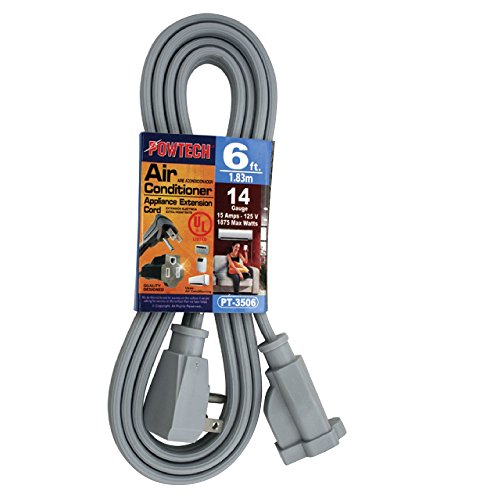
POWTECH Heavy duty 6 FT Air Conditioner and Major Appliance Extension Cord UL Listed 14 Gauge, 125V, 15 Amps, 1875 Watts GROUNDED 3-PRONGED CORD
Air Conditioner and Major Appliance Extension Cord UL Listed. Sturdy cord Ideal for plugging in large appliances such…
As an affiliate, we earn on qualifying purchases.
As an affiliate, we earn on qualifying purchases.