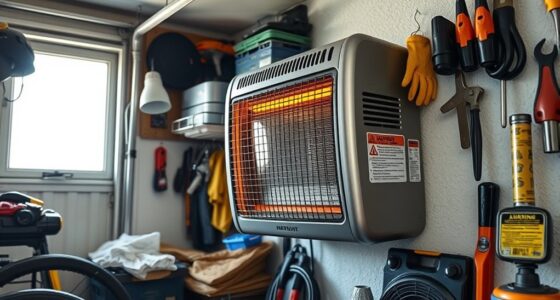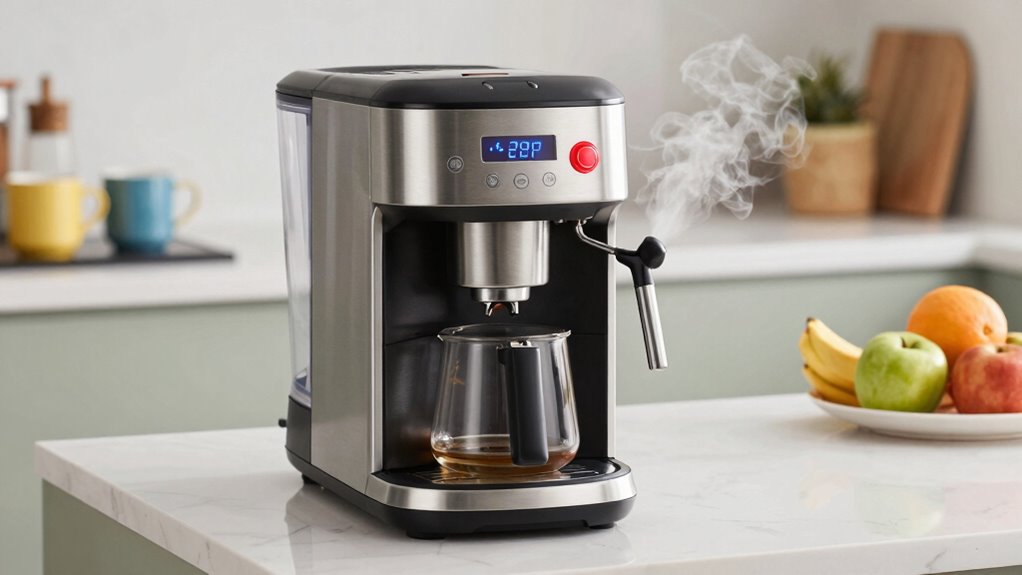

In daily use, overheat protection automatically monitors your device’s temperature and activates safety features when needed. You’ll see it shut down gadgets temporarily, reduce power, or display warning messages to keep everything safe. Many devices also adjust performance levels during intense tasks or activate cooling fans. These systems work behind the scenes to prevent damage and maintain safe operation. If you’re curious about how these safety features work in detail, keep exploring further.
Key Takeaways
- Devices automatically shut down or reduce performance when internal temperatures exceed safe limits.
- Built-in sensors detect heat levels and trigger alerts or safety responses without user intervention.
- Cooling mechanisms like fans or heat sinks activate during intensive tasks to prevent overheating.
- Household appliances incorporate thermal cutoffs or safety features to turn off if overheating occurs.
- Continuous temperature monitoring ensures longevity and safety during extended device or appliance use.
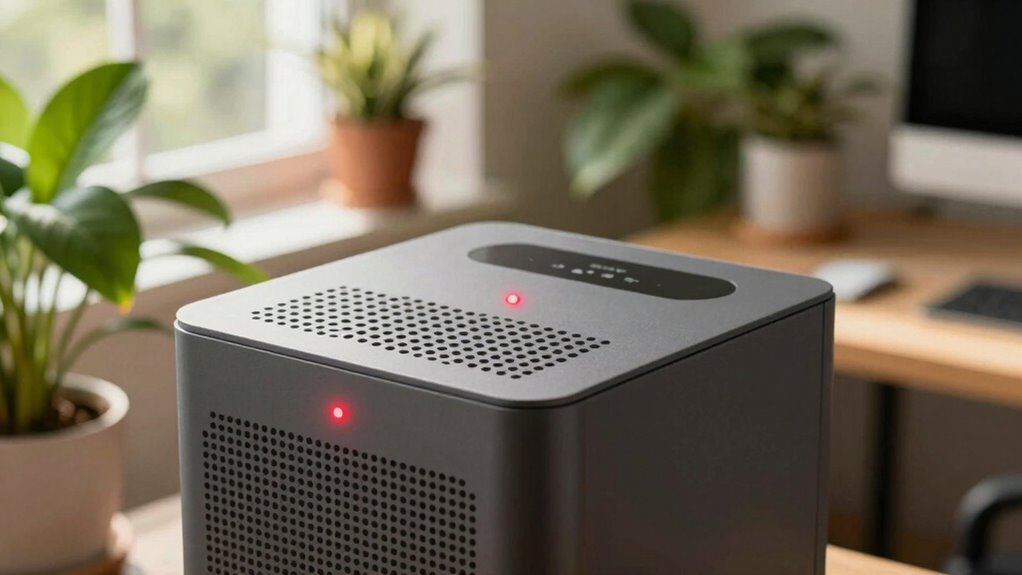
Overheat protection has become an essential feature in our daily devices, ensuring safety and longevity. When you’re using your smartphone, laptop, or even kitchen appliances, thermal management plays a crucial role in preventing overheating. These safety features work behind the scenes to monitor temperature levels, automatically activating protective measures if things get too hot. You might not see these mechanisms directly, but they’re indispensable for keeping your devices functioning smoothly and safely. Whether it’s a built-in temperature sensor or a firmware-based alert, these systems are designed to detect excess heat and respond promptly.
In many devices, overheat protection is integrated seamlessly, often shutting down the device temporarily or reducing power to cool things down when sensors detect high temperatures. For example, your laptop may automatically throttle its processor speed to prevent overheating, or your smartphone might display a warning message urging you to let it cool before continuing use. These safety features are essential because they prevent damage to internal components, which can be costly and reduce the lifespan of your device. Without proper thermal management, electronics risk overheating, leading to malfunctions, data loss, or even permanent damage.
In everyday use, overheat protection manifests in various ways. When you’re charging your device, thermal sensors monitor the heat generated by the battery and circuitry. If temperatures rise too high, the device might slow down charging or pause it altogether until it cools down. During intensive tasks like gaming or video editing, your device’s safety features kick in to prevent overheating by adjusting performance levels or activating cooling mechanisms. Some gadgets even have physical cooling components, such as fans or heat sinks, which work alongside electronic safety features to dissipate heat efficiently. Proper thermal management relies on precise sensors to maintain safe operating temperatures and prevent malfunctions.
You also see overheat protection in household appliances. Microwave ovens, for example, include thermal cutoffs that turn off the device if internal temperatures become unsafe. Similarly, modern smart thermostats and refrigerators incorporate safety features to manage heat and prevent overheating of electrical components. These systems rely on precise thermal management strategies to maintain safe operating temperatures, reducing the risk of fires or damage.
Ultimately, overheat protection in daily devices is about proactive safety. It’s about ensuring that your devices can handle extended use without risking harm to themselves or you. By automatically managing heat and incorporating multiple safety features, these systems keep your technology running efficiently and safely, giving you peace of mind in everyday tasks.
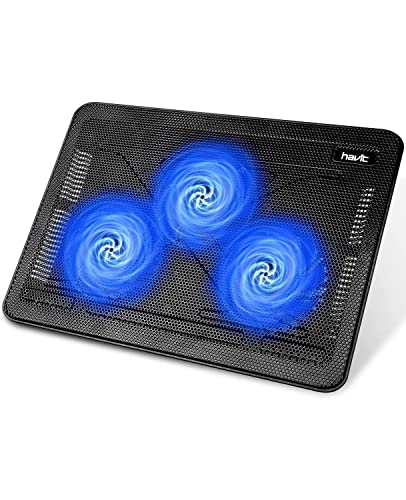
havit HV-F2056 15.6"-17" Laptop Cooler Cooling Pad – Slim Portable USB Powered (3 Fans), Black/Blue
- Ultra-Portable Design: Slim, lightweight, easy to carry
- Ergonomic Stand: Adjustable height for comfort
- Stable Metal Mesh Surface: Supports laptops securely
As an affiliate, we earn on qualifying purchases.
As an affiliate, we earn on qualifying purchases.
Frequently Asked Questions
How Often Should Overheat Protection Systems Be Maintained?
You should maintain your overheat protection systems at least annually or as recommended by the manufacturer. Regular maintenance schedules ensure the system functions properly, preventing overheating issues. Use inspection techniques like checking sensors, wiring, and cooling channels for damage or dirt. Keep detailed records of each inspection. Promptly address any issues found during maintenance to guarantee continuous, reliable protection and to extend the lifespan of your equipment.
Can Overheat Protection Cause Device Shutdown During Normal Use?
Yes, overheat protection can cause your device to shut down unexpectedly, almost as if it’s throwing a dramatic hissy fit! Thermal sensors act like overzealous safety mechanisms, kicking in when they sense temperatures are too high. They’re designed to protect your device, but sometimes they might activate during normal use if sensors get overly sensitive or dirty. It’s all about keeping your device safe, even if it feels like a minor inconvenience.
Are There Specific Indicators That Show Overheat Protection Has Been Triggered?
Yes, there are specific indicators that show overheat protection has been triggered. You might notice sudden device shutdowns or automatic pauses, often accompanied by warning lights or messages. Temperature sensors detect excessive heat, activating safety timers and shutting down the device to prevent damage. Some devices also display error codes or alerts, helping you identify that overheat protection has been engaged to keep the device safe.
How Does Overheat Protection Differ Between Various Appliances?
Think of overheat protection as a vigilant guard dog, sensing danger before it escalates. Different appliances use temperature sensors and safety circuits uniquely; some shut down immediately, while others reduce power gradually. For example, a laptop may activate a cooling mode, whereas a toaster might turn off entirely. These variations guarantee each device responds appropriately to prevent damage, keeping your appliances and home safe from overheating risks.
Is Overheat Protection Effective Against Prolonged Overheating?
Overheat protection is generally effective against prolonged overheating because thermal sensors monitor the appliance’s temperature continuously. When temperatures approach safety thresholds, these sensors trigger automatic shutdowns or cooling mechanisms, preventing damage or hazards. However, if thermal sensors malfunction or safety thresholds are set too high, the protection might not activate in time. Regular maintenance and proper calibration guarantee overheat protection remains reliable during extended overheating situations.

PHOOZY Apollo II Thermal Phone Case with NASA-Derived Technology – Extends Battery Life 4X in Hot or Cold Weather – Military Grade 8-Foot Drop Protection Insulated Pouch – Large Black
- Designed for Outdoor Enthusiasts: Fits various phone models securely
- NASA-Derived Thermal Technology: Reflects over 90% of solar radiation
- Extreme Temperature Protection: Prevents overheating and freezing
As an affiliate, we earn on qualifying purchases.
As an affiliate, we earn on qualifying purchases.
Conclusion
So, next time you notice your device staying cool despite heavy use, remember it’s likely thanks to overheat protection working behind the scenes. It’s funny how these safety features often go unnoticed until they save the day, isn’t it? By understanding their role, you’re more aware of how technology quietly safeguards your daily routines. Sometimes, it’s the small coincidences—like a device staying cool—that remind us just how much we depend on these unseen, protective mechanisms.

MECCANIXITY 6Pcs Metal Temperature Thermal Fuse RY152 152 °C 305.6 °F 15A 250V Cutoff Thermal Fuse for Motor Transformer Electric Industrial Home Appliance
- Application Use: Heat protection for various appliances
- Electrical Ratings: 250V, 15A, silver tone
- Fuse Dimensions: 4x11mm (0.16×0.43 inch)
As an affiliate, we earn on qualifying purchases.
As an affiliate, we earn on qualifying purchases.

Easy Cloud Computer Fan with AC Plug, 120mm Variable Speed Axial Muffin PC Fan with Controller 120V 110V 220V Small 12V Case Cooling for PC Server Cabinet DVR TV Router Receiver Xbox Greenhouse
- Adjustable Speed Control: Customize fan speed for cooling or quiet operation
- AC Power Compatibility: Operates via AC outlet with multi-speed controller
- Wide Device Compatibility: Suitable for PCs, gaming consoles, appliances, and more
As an affiliate, we earn on qualifying purchases.
As an affiliate, we earn on qualifying purchases.