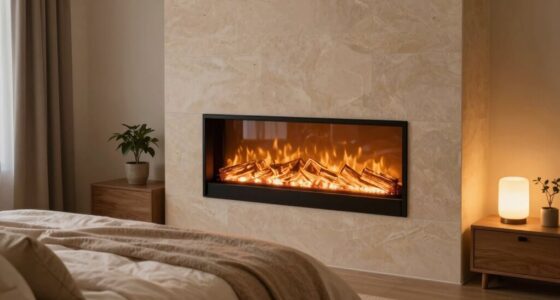
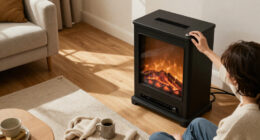
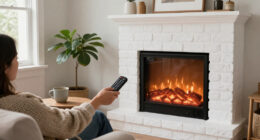
Using extension cords with electric fireplaces is risky because they can’t handle the high power demand, which can lead to overheating, electrical shorts, or fires. Many cords are not designed for such heavy loads and may cause damage to your home wiring or create electrical malfunctions. Repeated overloads can cause sparks or even fires. To stay safe, it’s best to use dedicated outlets. Keep going to find out more about avoiding hazards and protecting your home.

Get home appliances delivered free with Prime
- Fast, free delivery on millions of items
- Prime Video, Amazon Music and more included
- Member-only deals all year
Key Takeaways
- Extension cords are not designed to handle the high power demands of electric fireplaces, increasing fire risk.
- Overloading extension cords can cause overheating, sparks, or short circuits, leading to electrical fires.
- Damaged or frayed cords pose shock and fire hazards, especially when used with high-power appliances.
- Using improper cords can void manufacturer warranties and disable safety features of the fireplace.
- Proper electrical wiring and dedicated outlets are safer alternatives to extension cords for electric fireplaces.

Electric fireplaces are a cozy and convenient way to add warmth to your home, but using extension cords with them requires caution. Many people think plugging in an extension cord is an easy solution when outlets are far from the fireplace, but this practice can lead to serious safety hazards. Extension cords are not designed to handle the high power demands of electric fireplaces, and using them improperly can increase the risk of electrical problems. One major concern is the potential for power overload. When you connect an electric fireplace to an extension cord, especially if the cord isn’t rated for high wattage, it can become overwhelmed. This overload can cause the cord to overheat, which is a leading cause of electrical fires. Over time, repeated overheating may damage the cord’s insulation and increase the likelihood of sparks or short circuits.
Safety hazards aren’t limited to fire risks alone. When a power overload occurs, it can trip circuit breakers or, worse, cause an electrical malfunction that damages your home’s wiring. Electric fireplaces draw a significant amount of power, often more than standard household outlets are designed to handle. If the extension cord isn’t rated for such loads, it can create a dangerous situation. Many extension cords are designed for low-power devices like lamps or small electronics, not large appliances like fireplaces. Plugging your electric fireplace into the wrong type of cord can lead to overheating and, ultimately, electrical failure. Additionally, improper use of extension cords can void manufacturer warranties and compromise safety features.
Another risk comes from the physical wear and tear on extension cords. They can become frayed, damaged, or develop exposed wires, especially if they’re stretched across the floor or run through high-traffic areas. When this happens, the risk of electric shock or fire increases dramatically. It’s also tempting to run cords under rugs or furniture, which can trap heat and further elevate the chance of fire. Using proper electrical wiring and dedicated outlets ensures your electric fireplace operates safely and reduces these hazards. Moreover, frequent inspection of cords for damage is essential to prevent unforeseen accidents, as damaged cords pose serious safety risks. Incorporating safety guidelines when using electrical devices can further reduce these dangers.
electric fireplace dedicated outlet
As an affiliate, we earn on qualifying purchases.
As an affiliate, we earn on qualifying purchases.
Frequently Asked Questions
Can Extension Cords Cause Electrical Fires With Fireplaces?
Yes, extension cords can cause electrical fires with fireplaces. They create a fire hazard because they often aren’t designed to handle the high power demands of electric fireplaces, risking overheating. Additionally, poor cord durability can lead to frayed wires or exposed conductors, increasing the danger of sparks or shorts. To stay safe, always plug your electric fireplace directly into a properly rated outlet.
What Safety Standards Should Extension Cords Meet?
You should guarantee your extension cords meet safety standards like UL or ETL certification, which guarantee plug safety and cord durability. Look for cords rated for the power your electric fireplace needs, ideally with a heavy-duty gauge. Avoid cheap or damaged cords, as they increase fire risk. Always use cords designed for appliance use, and never overload them, to keep your home safe and your fireplace functioning properly.
Are There Specific Extension Cords for High-Power Appliances?
Yes, there are specific extension cord types designed for high-power appliances. You should look for heavy-duty extension cords labeled for appliance compatibility, typically with thicker gauge wires like 10 or 12 AWG. These cords are built to handle higher wattage loads safely. Always check the manufacturer’s recommendations for your electric fireplace to guarantee you’re using an extension cord that meets the necessary safety standards and load requirements, avoiding risks.
How Long Can an Extension Cord Safely Be Used?
You should avoid overextending your reach, as longer extension cords can lead to voltage drop and overheating. Generally, the safe cord length depends on its ratings; a higher-rated extension cord can safely be longer. For electric fireplaces, stick to manufacturer guidelines, typically limiting extension cord length to 25 feet or less. Always prioritize proper cord ratings and avoid stretching beyond recommended lengths to prevent hazards.
What Are the Signs of Electrical Overload in Cords?
You’ll notice signs of electrical overload in cords like overheating, a burning smell, or visible damage to the cord insulation. You might also see the plug or outlet become hot or the cord’s insulation melt or crack. These issues occur because the cord isn’t designed to handle the load, and plug compatibility problems can increase the risk. Always inspect your cords and replace any damaged ones promptly to prevent hazards.
high wattage extension cord for appliances
As an affiliate, we earn on qualifying purchases.
As an affiliate, we earn on qualifying purchases.
Conclusion
Using extension cords with electric fireplaces isn’t just risky—it increases your chance of electrical fires by up to 10 times. For safety and efficiency, always plug your fireplace directly into a properly grounded outlet. Remember, your home’s safety is worth the extra effort. By avoiding extension cords, you protect your family and property from potential hazards. Keep safety first, and enjoy the cozy warmth without worry!
fireproof extension cord for high power devices
As an affiliate, we earn on qualifying purchases.
As an affiliate, we earn on qualifying purchases.
As an affiliate, we earn on qualifying purchases.
NFL season / tailgating Picks
team gear
As an affiliate, we earn on qualifying purchases.