If your heater keeps cycling on and off frequently, it’s likely due to thermostat issues, airflow restrictions, or system malfunctions. Make sure your thermostat isn’t near drafts, sunlight, or heat sources that skew readings. Check and replace dirty filters or clear obstructions around vents. System components like the limit switch or blower motor could also cause this. For lasting results, learn how proper calibration and maintenance can help prevent constant cycling and boost efficiency.

Get home appliances delivered free — and shop member deals
- Fast, free delivery on millions of items
- Access to Prime Big Deal Days deals on October 6–7
- Prime Video, Amazon Music and more included
Key Takeaways
- Check and recalibrate the thermostat, ensuring accurate placement away from drafts or heat sources.
- Replace or clean air filters and clear vents to improve airflow and reduce system cycling.
- Inspect for duct leaks, blockages, or insulation issues that hinder consistent heating.
- Verify that the heater is properly sized for the space to prevent rapid on/off cycles.
- Schedule professional maintenance to diagnose faulty components like limit switches or blower motors.
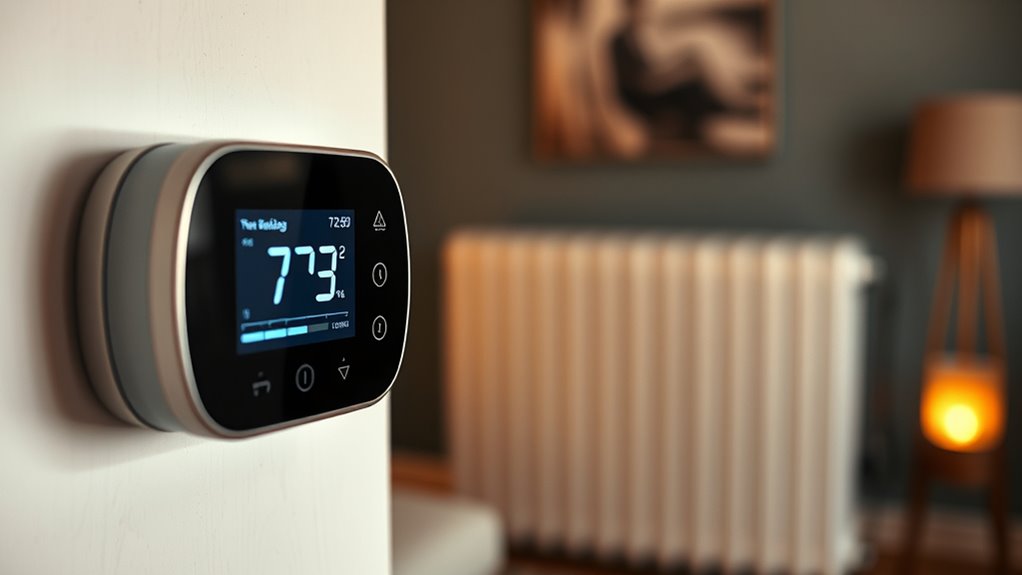
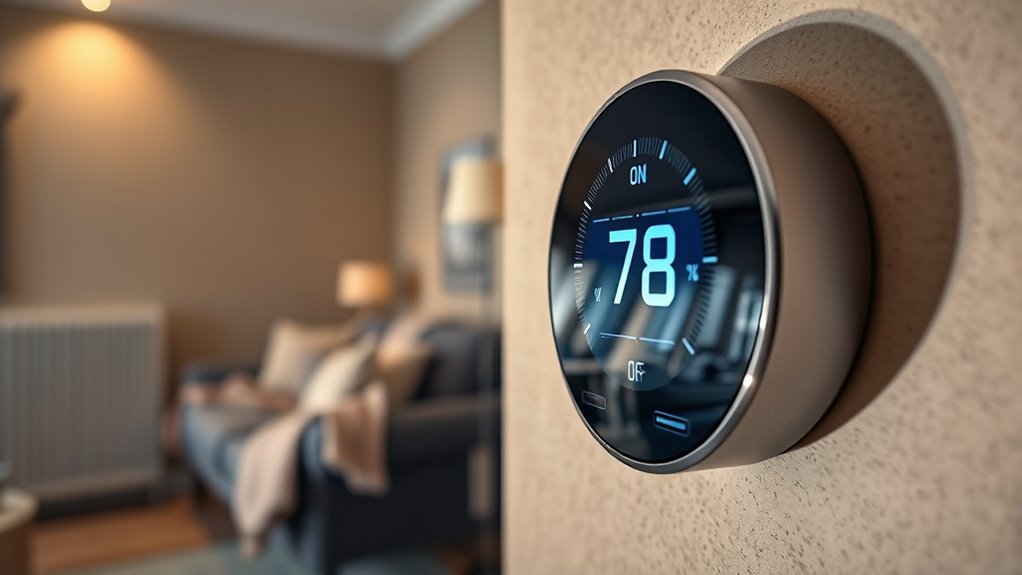
If your heater keeps cycling on and off frequently, it can be both frustrating and a sign of underlying issues. One common cause is an improperly calibrated thermostat. When your thermostat isn’t accurately reading the room temperature, it can cause your heater to turn on and off repeatedly. You might notice that your home feels unevenly heated or that your system runs constantly without reaching the desired temperature. To fix this, check if your thermostat is correctly calibrated. Sometimes, simply adjusting the thermostat’s settings or replacing the batteries can stabilize its readings. If calibration seems off, consider repositioning the thermostat away from drafts, direct sunlight, or heat sources that could skew its accuracy.
Another key factor often overlooked is airflow obstructions. Restricted airflow can cause your heater to cycle frequently because the system struggles to reach or maintain the set temperature. Dust buildup in filters, blocked vents, or furniture placed too close to heating registers can all impede airflow. When airflow is obstructed, your system works harder and turns on and off more frequently as it tries to compensate for the limited circulation. Regularly changing or cleaning filters, ensuring vents are unobstructed, and keeping furniture away from registers can improve airflow. You should also inspect the ductwork for leaks or blockages, which can further hinder airflow and cause inconsistent heating. Self watering plant pots utilize reservoirs and capillary action to maintain optimal moisture and prevent overwatering, similar to how proper airflow maintains consistent heater performance.
In addition to thermostat calibration and airflow obstructions, other issues might be at play. For example, a faulty limit switch or a malfunctioning blower motor can cause your system to cycle improperly. Sometimes, oversized or undersized units don’t match your space needs, leading to rapid on/off cycles. If these basic troubleshooting steps don’t resolve the problem, it’s wise to consult a professional HVAC technician. They can perform a detailed inspection, check system components, and ensure everything functions correctly.
Ultimately, frequent cycling isn’t just annoying—it can also increase energy costs and wear out your heater faster. Addressing thermostat calibration issues, ensuring unobstructed airflow, and maintaining your system can help keep your heater running smoothly. Remember, regular maintenance is key to preventing these problems and keeping your home comfortably warm. If you’re unsure about any of these steps, don’t hesitate to seek expert help to diagnose and fix the underlying cause of your heater’s cycling issues.
As an affiliate, we earn on qualifying purchases.
Frequently Asked Questions
Can Thermostat Placement Affect Heater Cycling?
Yes, thermostat placement can affect heater cycling. If your thermostat is positioned near direct heat sources or in drafty areas, it won’t accurately detect room temperature. Proper thermostat positioning guarantees that the room temperature sensors give precise readings, preventing unnecessary on-off cycles. Place your thermostat in a central, draft-free spot away from heat sources to improve efficiency and reduce frequent cycling.
How Does Humidity Impact Heater Cycling?
Humidity levels considerably impact heater cycling because high moisture can cause your heater to turn on and off more frequently. When humidity is too low, your home feels colder, prompting the heater to run longer, but high moisture levels can make the heater cycle more often to maintain comfort. Proper moisture control helps stabilize indoor humidity, reducing unnecessary cycling and improving your heater’s efficiency. Keep humidity balanced for ideal heater performance.
What Role Does Ductwork Insulation Play?
Duct insulation plays a vital role in maintaining airflow efficiency, which helps prevent your heater from cycling on and off frequently. Properly insulated ductwork reduces heat loss, ensuring warm air reaches your living space consistently. When ducts aren’t insulated well, the system works harder to compensate for temperature drops, causing it to turn on and off more often. Insulating your ducts improves overall efficiency and stabilizes your heater’s operation.
Is Frequent Cycling Normal for New Heaters?
It’s common for new heaters to cycle frequently as they “settle in,” but don’t dismiss it. You should check the thermostat calibration to ensure it’s accurate and prevent unnecessary cycling. Also, a properly functioning heat exchanger helps maintain consistent heat without short cycles. If the problem persists, it might be a sign your heater needs a tune-up. Keep an eye on it, so small issues don’t turn into bigger ones.
Can Power Fluctuations Cause Frequent Heater Cycles?
Yes, power fluctuations can cause your heater to cycle frequently. Power surges and voltage instability disrupt the heater’s normal operation, making it turn on and off more often than usual. When voltage isn’t stable, the heater’s thermostat may sense inconsistent temperatures, prompting repeated cycles. To fix this, consider installing a surge protector or stabilizer, ensuring a steady power supply, and consulting an electrician if issues persist.
As an affiliate, we earn on qualifying purchases.
Conclusion
Imagine your heater as a steady heartbeat, pulsing warmth through your home. When it keeps turning on and off, it’s like a flickering flame struggling to stay alive. Troubleshooting might seem intimidating, but with patience, you can restore that comforting glow. Picture the cozy warmth spreading, filling every corner, as you fix the issue. Once resolved, your heater will hum smoothly, ensuring your home stays warm and inviting, no matter how chilly outside.
As an affiliate, we earn on qualifying purchases.
As an affiliate, we earn on qualifying purchases.
Evergreen bestsellers Picks
bestsellers
As an affiliate, we earn on qualifying purchases.