If your heater is on but blowing cold air, the issue could be a faulty thermostat, blocked or closed vents, dirty filters, or electrical problems. Check if your thermostat is functioning properly and reset it if needed. Clear any obstructions from vents and replace or clean filters. For gas heaters, ensure the pilot light is lit; for electric models, verify circuit breakers. To discover more about fixing your heater, keep exploring potential solutions.

Get home appliances delivered free — and shop member deals
- Fast, free delivery on millions of items
- Access to Prime Big Deal Days deals on October 6–7
- Prime Video, Amazon Music and more included
Key Takeaways
- Check if the thermostat is functioning correctly and properly calibrated to signal the heater to produce heat.
- Ensure all vents are clear of dust, debris, or obstructions to allow proper airflow.
- Inspect and replace dirty filters or confirm the pilot light is lit in gas models.
- Verify electrical components like circuit breakers or fuses are intact and functioning properly.
- Consider scheduling a professional inspection if basic troubleshooting doesn’t resolve the issue.
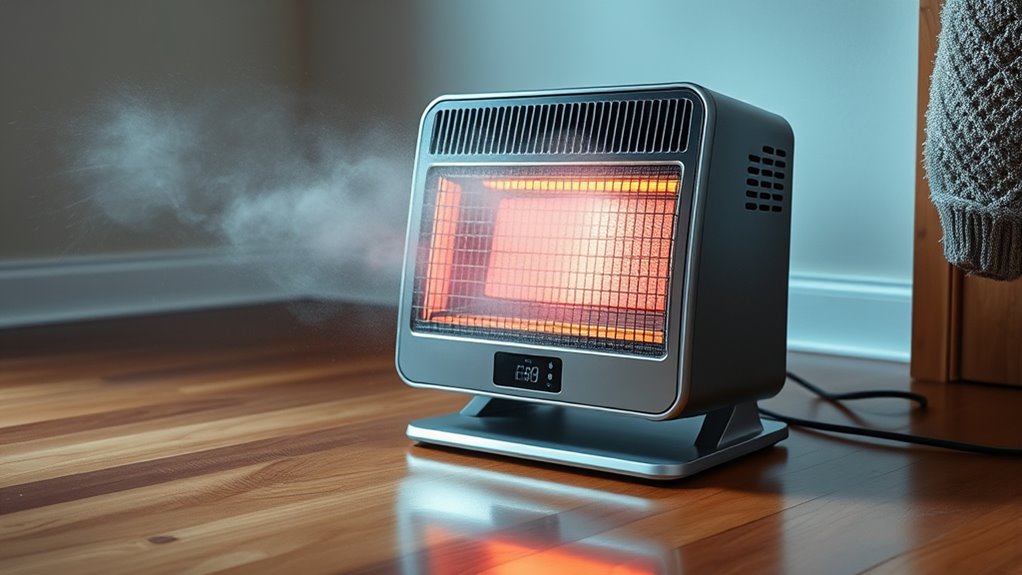
Is your heater not heating as it should? If you turn it on and only get cold air blowing out, it can be frustrating and confusing. One common culprit is a thermostat malfunction, which can prevent your heater from kicking into the heating cycle properly. Your thermostat is responsible for sensing the room’s temperature and signaling the heater to turn on or off. If it’s faulty or miscalibrated, it might think your home is warmer than it actually is, so it never prompts the heater to produce warm air. Sometimes, a simple reset or replacing the batteries can fix this issue. However, if the thermostat is broken or damaged internally, you’ll need to replace it to restore proper operation.
A faulty thermostat can prevent your heater from heating properly; try resetting or replacing batteries first.
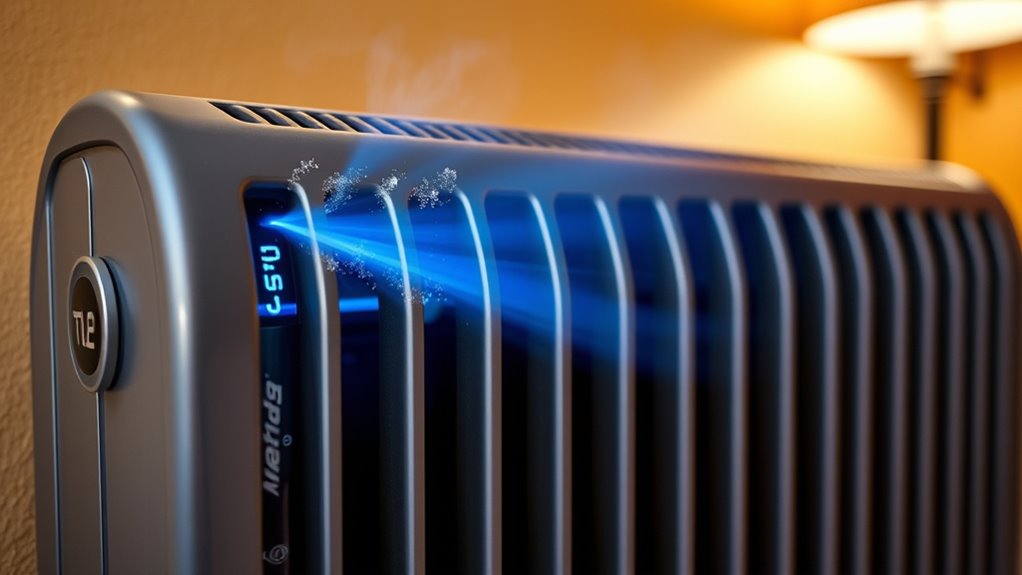
Another frequent cause behind blowing cold air is blocked vents. Over time, vents can become clogged with dust, debris, or even furniture blocking airflow. When vents are obstructed, the heated air can’t circulate properly through your living space, making it feel like your heater isn’t working even though it’s running. Check all your vents, especially those in the rooms that aren’t heating up. Clear any obstructions, vacuum out dust, and ensure vents are fully open. This simple step can often restore warm airflow and improve overall heating efficiency.
Beyond these issues, it’s also worth inspecting your heater’s filters. Dirty filters restrict airflow, which can lead to insufficient heating or the heater shutting down prematurely. Replace or clean filters regularly to maintain ideal airflow. If your heater has a pilot light, make sure it’s lit; a blown-out pilot can prevent the heater from producing heat, even if it’s running. For electric heaters, check for tripped circuit breakers or blown fuses, as electrical issues can also cause the heater to blow cold air despite being on. Additionally, understanding heater components can help pinpoint more complex problems if basic troubleshooting doesn’t work.
If these basic troubleshooting steps don’t solve the problem, consider scheduling a professional inspection. A technician can diagnose more complex issues like faulty heating elements, broken thermostats, or gas supply problems. Remember, safety always comes first—if you smell gas or suspect a gas leak, turn off your heater immediately and contact professionals. Addressing the problem promptly can prevent further damage and ensure your home stays warm and comfortable. In most cases, a simple check of your thermostat, vents, and filters can make a significant difference, helping you enjoy cozy warmth once again.
As an affiliate, we earn on qualifying purchases.
Frequently Asked Questions
Can a Dirty Filter Cause the Heater to Blow Cold Air?
Yes, a dirty air filter clog can cause your heater to blow cold air. When the filter is clogged, it restricts airflow, reducing heater efficiency. This means your system struggles to produce warm air, often resulting in cold air blowing out. Regularly replacing or cleaning your air filter guarantees proper airflow, maintains heater efficiency, and helps keep your home warm and comfortable.
How Do I Reset My Heater’s Circuit Breaker?
To reset your heater’s circuit breaker, first locate your home’s main electrical panel. Find the breaker labeled for your heater or HVAC system. Flip the circuit breaker to the OFF position, then wait a few seconds. Next, flip the reset switch back to ON. This should restore power to your heater. If it trips again, there might be a problem with the system, and you should consider calling a professional.
Is It Normal for a Heater to Run Without Producing Heat?
It’s not unusual for your heater to run without producing heat, but it’s a sign you should look into it. Sometimes, a heater noise or strange buzzing can indicate a thermostat calibration issue or a problem with the blower. If your heater keeps running cold, check the thermostat settings first—if they seem fine, consider calling a technician. Don’t let it drag on; better safe than sorry.
Can Thermostat Issues Lead to No Heat but Fan Operation?
Yes, thermostat issues can cause your fan to run without producing heat. If your thermostat isn’t calibrated correctly or has wiring problems, it might signal the fan to turn on but not activate the heating element. You should check the thermostat’s calibration and inspect the wiring connections for damage or loose wires. Fixing these issues can often restore proper heat when your heater is on.
How Often Should I Schedule Professional Heater Maintenance?
You should schedule professional heater maintenance annually to guarantee your system operates efficiently and extends its lifespan. Regular maintenance helps catch issues early, preventing problems like blowing cold air or no heat. A consistent maintenance schedule keeps your heater in top shape, saving you money on repairs and energy costs. By staying proactive, you ensure reliable warmth when you need it most and maximize your heater’s lifespan.
As an affiliate, we earn on qualifying purchases.
Conclusion
When your heater blows cold air despite being on, it’s like a fire that refuses to ignite. Don’t let the chill seep into your home’s core; instead, take charge and troubleshoot the issue. With a little patience and some know-how, you can turn that icy breath into warm, comforting embrace. Remember, even the coldest nights can be tamed by your quick action—your home’s warmth is just a fix away from blooming again.
As an affiliate, we earn on qualifying purchases.
pilot light igniter for gas heater
As an affiliate, we earn on qualifying purchases.
As an affiliate, we earn on qualifying purchases.
Fall yard work Picks
leaf blowers
As an affiliate, we earn on qualifying purchases.