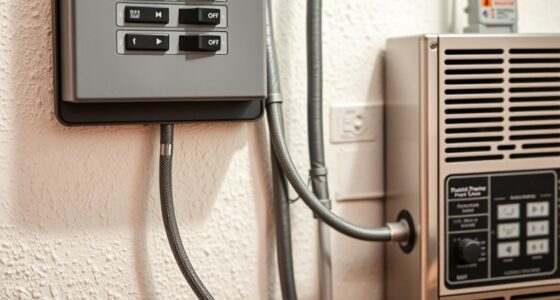

If your heater keeps tripping the breaker, start by checking for overloads or short circuits caused by faulty wiring or damaged components. Inspect the power cord, plug, and internal parts for damage or signs of wear. Verify that the circuit breaker is rated properly and isn’t overloaded. Make sure the thermostat and sensors are working correctly, and ensure proper ventilation to prevent overheating. If issues persist, seeking professional help is wise; there’s more you can do below.
Key Takeaways
- Check for electrical overloads or short circuits caused by high wattage devices or power surges.
- Inspect power cords, plugs, and internal components for damage or signs of wear.
- Verify thermostat and sensors are functioning correctly and not causing overheating.
- Ensure circuit breaker ratings match the heater’s specifications and are properly configured.
- Seek professional help if breaker trips persist after troubleshooting or if you notice signs of electrical hazards.
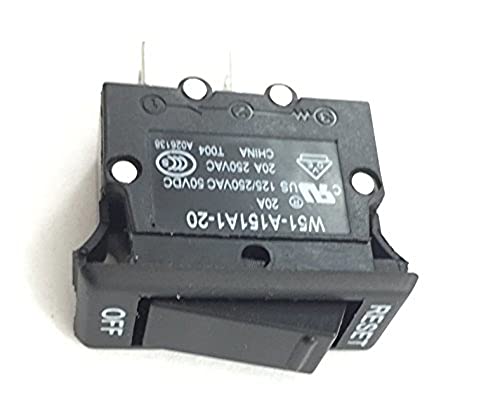
Dometic Furnace Breaker Circuit Kit, 20 A
Package Dimensions: 1.35 L x 0.91 H x 0.91 W (inches)
As an affiliate, we earn on qualifying purchases.
As an affiliate, we earn on qualifying purchases.
Check for Overloading or Short Circuits
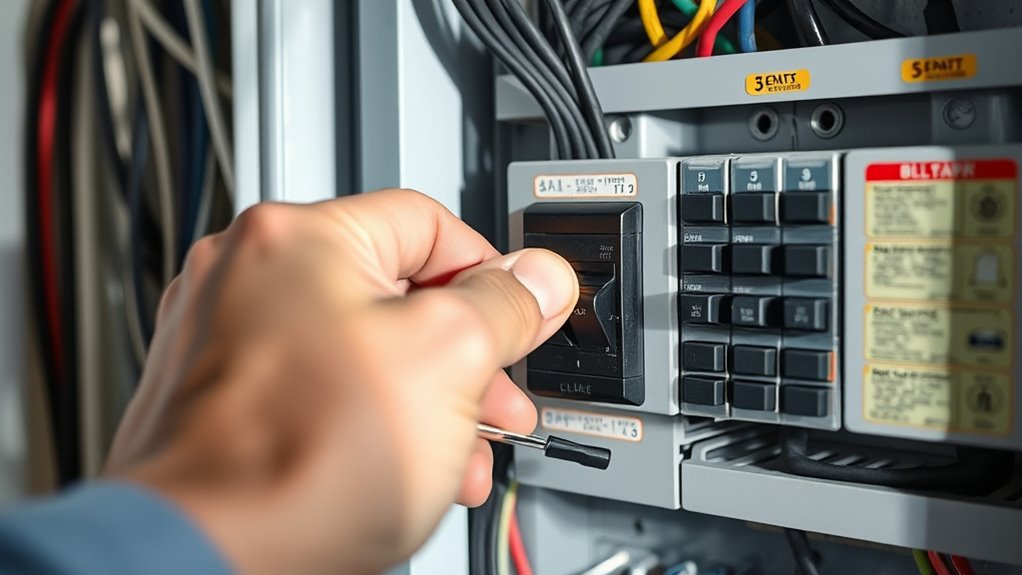
Start by inspecting the circuit for signs of overload or short circuits. A common cause of breaker trips is a power surge or circuit overload. If multiple high-wattage appliances run simultaneously on the same circuit, it can overload the wiring, causing the breaker to trip as a safety measure. Look for signs like scorched outlets, melted insulation, or a burning smell, which indicate a short circuit. Overloading can also cause flickering lights or a breaker that trips repeatedly under load. To prevent this, avoid plugging too many devices into one outlet or circuit. If you notice any signs of overload or short circuit, reduce the load immediately and consider redistributing appliances across different circuits. This step helps protect your heater and home wiring. Additionally, understanding electrical safety can help you better identify potential hazards and prevent future breaker trips.

ITEQ Power Circuit Probe Tester, 6V-24V DC Test Light, Automotive Short Circuit Located and Component Activated, 12V Auto Electrical Tester, Polarity Identify with LED Light, Overload Protection
[Polarity Identify & Continuity Test] The power circuit probe tester is made to quickly identify the positive and…
As an affiliate, we earn on qualifying purchases.
As an affiliate, we earn on qualifying purchases.
Inspect the Power Cord and Plug for Damage
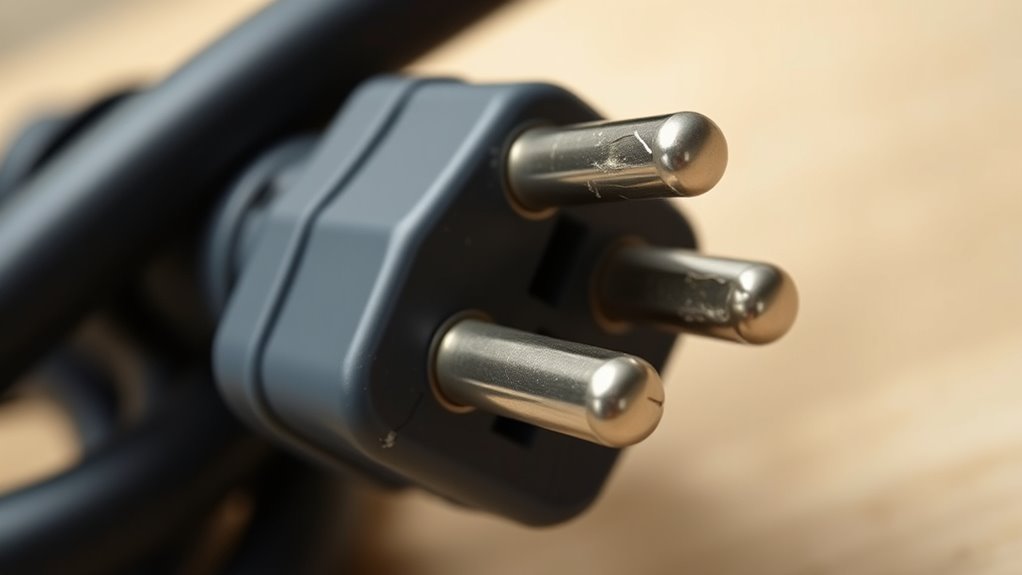
Examine the power cord for any frays or exposed wires that could cause a short circuit. Make sure the plug is securely connected and shows no signs of damage or corrosion. Address any issues immediately to prevent tripping the breaker. Additionally, inspect the paint sprayer’s internal components for proper wiring connections to ensure safe operation.
Check for Frays
Since damaged cords can cause electrical shorts or shocks, it’s essential to carefully inspect the power cord and plug for any frays, cuts, or exposed wires. Look closely at the cord insulation for any signs of wear or deterioration. Frayed areas indicate compromised insulation, increasing the risk of electrical faults. Check the entire length of the cord, especially near the plug and where it bends frequently. Power cord damage often appears as visible damage or worn spots that expose internal wires. If you notice any frays, cuts, or exposed wiring, stop using the heater immediately. Damaged cord insulation not only hampers safe operation but can also trip the breaker if electrical shorts occur. Ensuring your power cord is intact helps prevent potential hazards and keeps your heater functioning safely. Regularly inspecting cords for damage prevention can help identify issues early before they lead to safety risks.
Ensure Proper Connection
To make certain your heater operates safely, it’s important to thoroughly inspect the power cord and plug for any damage. Look for exposed wires, cracks, or burns that could cause grounding issues or short circuits. Damaged cords might lead to wire splicing problems or faulty connections, increasing the risk of breaker trips. Ensure the plug fits snugly and shows no signs of wear. If you notice any issues, replace the cord immediately. Here’s a quick checklist:
| Inspection Point | What to Look For | Action Needed |
|---|---|---|
| Power Cord | Frays, cuts, exposed wires | Replace immediately |
| Plug | Burn marks, loose connections | Repair or replace |
| Grounding Connection | Corrosion, loose grounding wire | Tighten or repair |
| Wire Splicing | Poor splices, insulation damage | Re-splice or replace |
Proper connection guarantees safe operation and prevents breaker trips. Regular maintenance helps ensure all connections remain secure and in good condition.

Bergen Industries Inc PS913163 3-Wire Appliance and Power Tool Cord, 9 ft, 16 AWG, 13A/125V AC, 1625w, Black
For use with MAJOR APPLIANCES, MOTORS and POWER TOOLS, U-Ground NEMA 5-15
As an affiliate, we earn on qualifying purchases.
As an affiliate, we earn on qualifying purchases.
Examine the Heater’s Internal Components
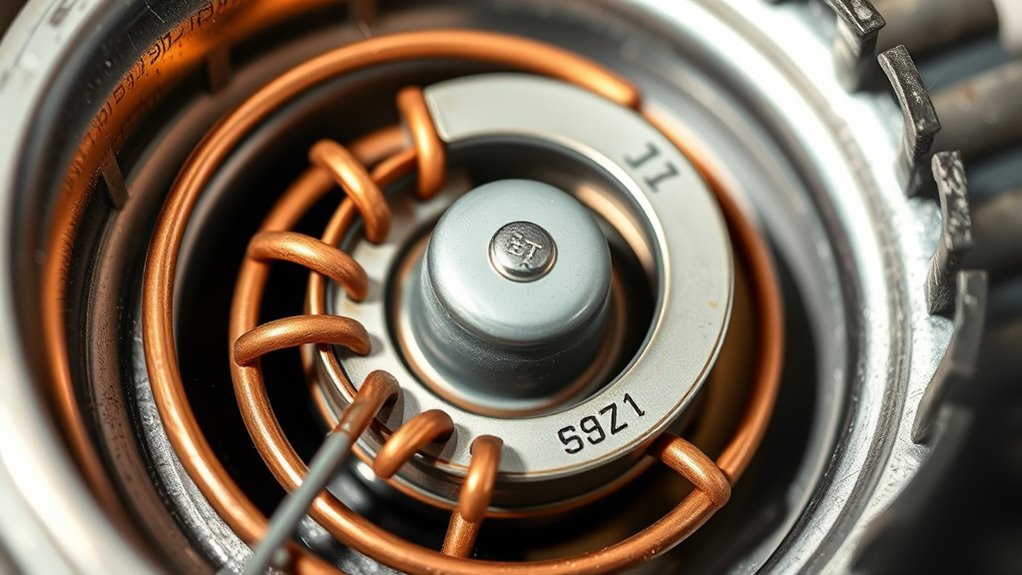
Checking the heater’s internal components is a crucial step in diagnosing why the breaker trips. You want to confirm heater safety by carefully inspecting for obvious signs of damage or wear. Start by unplugging the unit and opening the access panel. Look for burned, melted, or broken components like wiring, terminals, or control boards. Conduct component testing with a multimeter to verify the integrity of resistors, thermostats, and heating elements. Faulty parts can cause short circuits or overloads, leading to breaker trips. Be cautious and avoid rushing this step; a thorough examination helps identify hidden issues that simple external checks might miss. Proper component testing not only pinpoints problems but also ensures safe operation and prevents future breaker trips. Additionally, understanding the heater’s flushing mechanisms and maintenance needs can help prevent issues related to water flow or pressure that may indirectly affect electrical components.
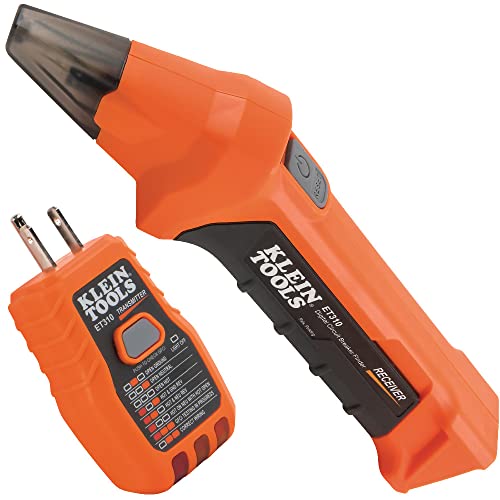
Klein Tools ET310 AC Circuit Breaker Finder, Electric and Voltage Tester with Integrated GFCI Outlet Tester
ACCURATE CIRCUIT BREAKER IDENTIFICATION: Quickly locate the correct breaker with precision using our circuit breaker finder, ensuring efficient…
As an affiliate, we earn on qualifying purchases.
As an affiliate, we earn on qualifying purchases.
Verify the Circuit Breaker Ratings and Settings
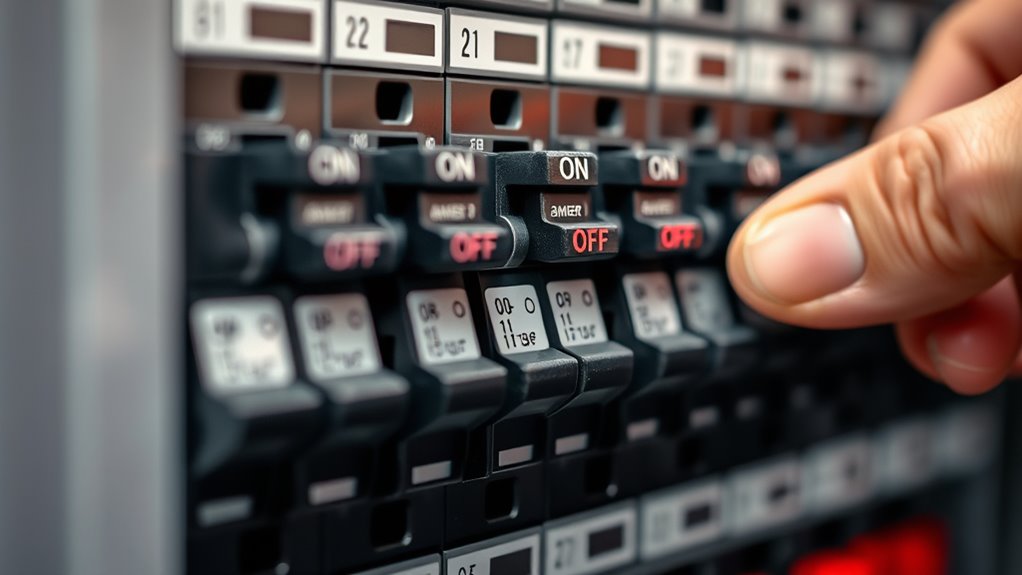
Verifying the circuit breaker ratings and settings is essential to make certain they match the heater’s power requirements. If the breaker’s rating is too low, it may trip frequently, indicating poor voltage stability or circuit compatibility issues. Check the breaker label to confirm it matches the heater’s wattage and current specifications. Ensure the breaker is rated for the correct amperage and voltage; using an undersized breaker can cause unnecessary trips, while an oversized one risks overloads. Also, verify the breaker’s settings are properly configured for your heater’s needs. Proper matching of ratings and settings ensures voltage stability and prevents nuisance trips. Always consult the heater’s manual and a qualified electrician if you’re uncertain about the ratings or compatibility. Understanding electrical safety is crucial when dealing with circuit breakers and heater installations.
Test for Faulty Thermostats or Sensors
Start by checking your thermostat settings to make certain they’re correct for your heating needs. Then, inspect the temperature sensors for any signs of damage or misalignment. If these components aren’t functioning properly, they could cause your heater to trip the breaker. Additionally, ensure your heater is equipped with a vetted, reliable home theatre projector to prevent overloads and electrical issues.
Check Thermostat Settings
If your heater keeps tripping the breaker, faulty thermostats or sensors might be to blame. Start by checking the thermostat settings—ensure the temperature is correctly calibrated and set to a comfortable level. Sometimes, a simple misadjustment causes the system to overheat or cycle excessively, leading to breaker trips. Adjust the temperature setting if needed, making sure it aligns with your desired comfort zone. If your thermostat isn’t calibrated properly, it may send false signals to the heater, causing it to turn on or off at inappropriate times. Confirm the thermostat is functioning properly and set correctly. Correcting these settings often resolves issues related to breaker trips caused by thermostat malfunctions. Additionally, remote work practices that include regular maintenance of home appliances can help prevent unexpected breaker trips.
Inspect Temperature Sensors
To guarantee your heater isn’t tripping the breaker due to faulty sensors, you need to inspect the temperature sensors and thermostats for signs of malfunction. Faulty sensors can cause inaccurate readings, leading the system to overheat or shut down unexpectedly. Check if the sensors are properly calibrated; incorrect sensor calibration can disrupt thermal conduction, causing temperature fluctuations. Look for physical damage or corrosion that might interfere with thermal conduction. Additionally, waterpark hotels often feature advanced climate control systems that rely on accurate sensor readings to maintain guest comfort. Ensure sensors are clean and free of debris or corrosion. Test sensor readings with a multimeter for consistency. Verify proper sensor calibration to match actual temperature.
- Ensure sensors are clean and free of debris or corrosion
- Test sensor readings with a multimeter for consistency
- Verify proper sensor calibration to match actual temperature
Addressing these issues helps prevent false signals, ensuring your heater operates safely and efficiently.
Assess the Electrical Panel for Issues

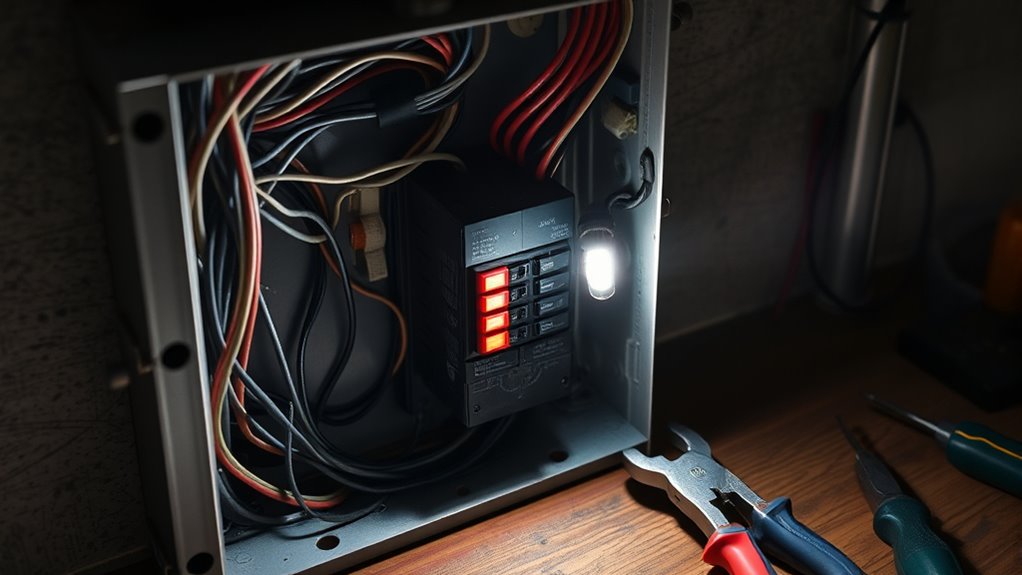
Inspecting the electrical panel is a crucial step in diagnosing why your heater keeps tripping the breaker. Start by turning off the power and opening the panel carefully. Look for signs of wiring corrosion, which can cause poor connections and electrical shorts, leading to breaker trips. Check for any visible damage, such as frayed or burnt wires, that might indicate a short circuit. A sudden power surge, often caused by lightning or faulty appliances, can overload the system and trip the breaker as a safety measure. Confirm all connections are tight and intact. If you notice corrosion or damage, it’s best to call a professional electrician. Additionally, understanding electrical overload and its effects can help prevent future issues. Addressing these issues helps prevent future trips and keeps your heater functioning safely.
Ensure Proper Ventilation and Avoid Overheating
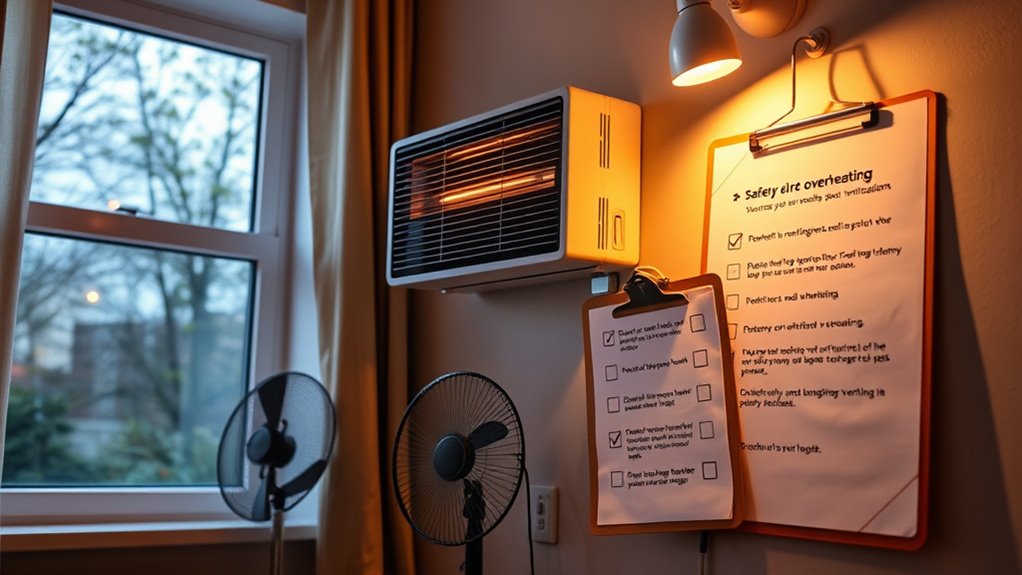
Ensuring proper ventilation is essential to prevent your heater from overheating and tripping the breaker. Good ventilation promotes ventilation safety and helps maintain a safe operating temperature. When airflow is restricted, heat builds up, increasing the risk of overheating and breaker trips. To improve ventilation safety and prevent overheating, consider these tips:
Proper ventilation prevents heater overheating and breaker trips. Keep vents clear and area well-ventilated.
- Keep vents and air filters clean and unobstructed
- Place the heater in a well-ventilated area, away from walls or furniture
- Avoid covering or blocking vents during operation
Determine When to Seek Professional Assistance
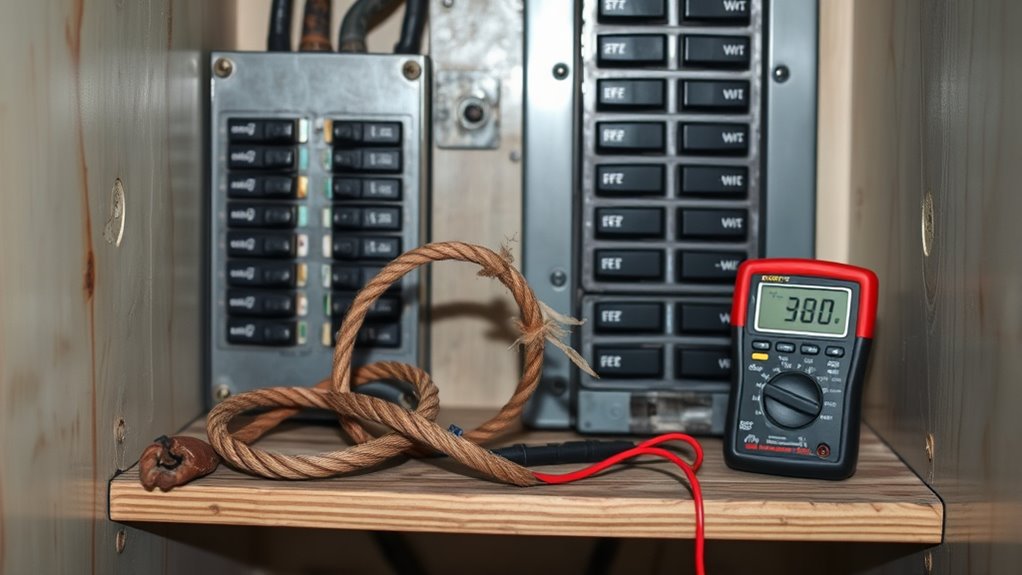
Knowing when to call in a professional can prevent further damage and guarantee your heater operates safely. If troubleshooting steps don’t resolve the breaker trips, it’s time to consult a professional electrician. Attempting to fix complex electrical issues yourself can be dangerous and may cause more harm. You should seek professional help if your heater continues to trip the breaker despite resetting it, or if you notice signs of overheating, burning smells, or sparks. Sometimes, a heater replacement is necessary when the unit is old or severely damaged. A licensed electrician can diagnose whether the problem stems from faulty wiring, a worn-out component, or the need for a complete heater replacement. Don’t delay—professional assistance ensures safe, reliable operation.
Frequently Asked Questions
Can a Dirty Filter Cause the Heater to Trip the Breaker?
A dirty filter can definitely cause your heater to trip the breaker. Air filter issues restrict airflow, forcing your heater to work harder and overheat, which can trip the circuit breaker to prevent damage. If your heater isn’t performing well, check and replace the air filter regularly. Keeping filters clean improves heater performance, reduces strain on the system, and helps prevent breaker trips caused by airflow problems.
How Often Should I Inspect Heater Wiring for Safety?
Did you know that faulty wiring causes over 20% of home electrical fires? You should inspect your heater wiring for safety at least once a year. Regular wiring inspection helps prevent electrical safety hazards, ensuring your heater operates smoothly and safely. Look for signs of wear, frayed wires, or loose connections, and address issues promptly. Staying proactive keeps your home safe and avoids costly repairs down the line.
What Are Signs of a Failing Heater Thermostat?
If your heater’s thermostat is failing, you’ll notice inconsistent temperatures or the heater turning on and off unexpectedly. Check if the thermostat calibration is off or if electrical wiring is loose or damaged, which can cause irregular operation. You might also hear clicking sounds or see the heater struggle to maintain the set temperature. Address these signs promptly to prevent further issues and guarantee your heater operates efficiently.
Can External Weather Conditions Affect Breaker Trips?
Absolutely, external factors and weather impact your breaker trips more than you’d think. When it’s freezing or stormy outside, your heater works overtime, increasing the risk of overloads that trip the breaker. External factors like humidity, lightning, or sudden temperature swings can also cause fluctuations, pushing your electrical system to its limits. So, yes, weather impact isn’t just poetic — it’s a practical reason your breaker might be throwing a fit.
Is It Safe to Reset a Breaker Immediately After It Trips?
It’s generally safe to reset a breaker immediately after it trips, but you should prioritize breaker safety. Before resetting, verify no unusual odors, sounds, or signs of damage around the heater. Follow proper reset procedures: turn off the heater first, then reset the breaker firmly. If the breaker trips again, avoid resetting it and consult a professional. Always prioritize safety and avoid forcing a reset if you’re unsure of the cause.
Conclusion
If your heater keeps tripping the breaker, don’t ignore the signs. For example, Sarah’s space heater kept shutting off unexpectedly—after checking for overloads and damaged cords, she found a faulty thermostat. By troubleshooting these common issues, you can often fix the problem yourself. However, if you’re unsure or the breaker still trips, it’s best to call a professional. Staying safe guarantees your heater warms your space without hazards or interruptions.