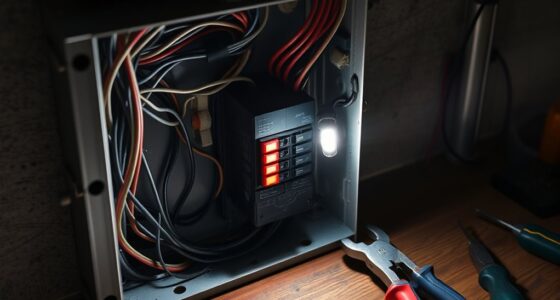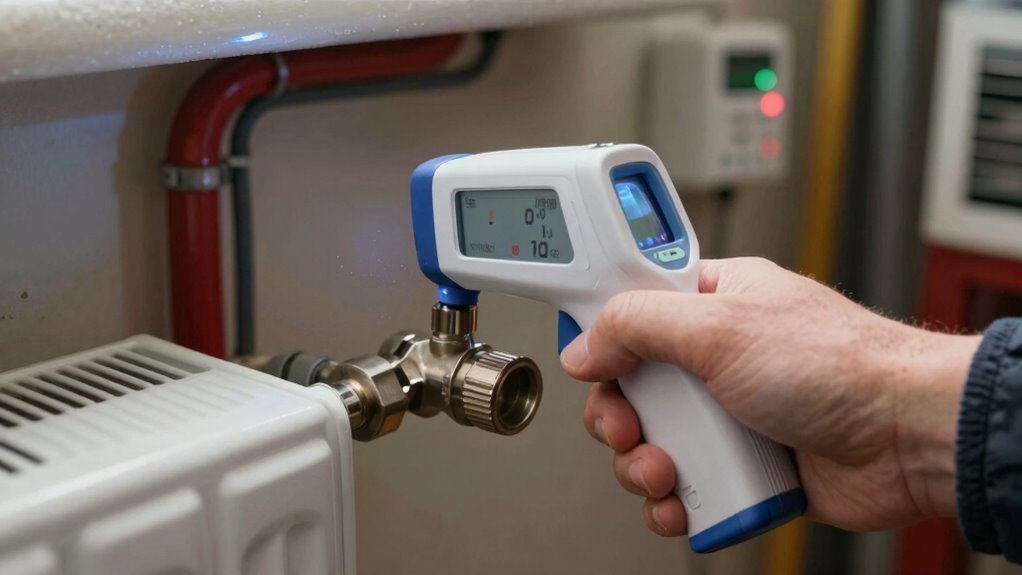

If your radiators aren’t heating well, start by checking for trapped air—bleed the radiators to release it. Confirm your thermostat is set correctly and calibrate if needed. Check the boiler pressure, topping it up if it’s too low. Look for blockages or leaks in pipes and radiators, and repair them promptly. Regular maintenance, like bleeding radiators and checking system pressure, can improve heat output. For more tips on troubleshooting, keep exploring these solutions.

Get home appliances delivered free — and shop member deals
- Fast, free delivery on millions of items
- Access to Prime Big Deal Days deals on October 6–7
- Prime Video, Amazon Music and more included
Key Takeaways
- Check and calibrate the thermostat to ensure accurate temperature control.
- Bleed radiators to remove trapped air that can hinder heat circulation.
- Inspect boiler pressure and top up water if pressure is low.
- Examine pipes and radiators for leaks, blockages, or corrosion.
- Schedule professional maintenance to identify and fix underlying system issues.
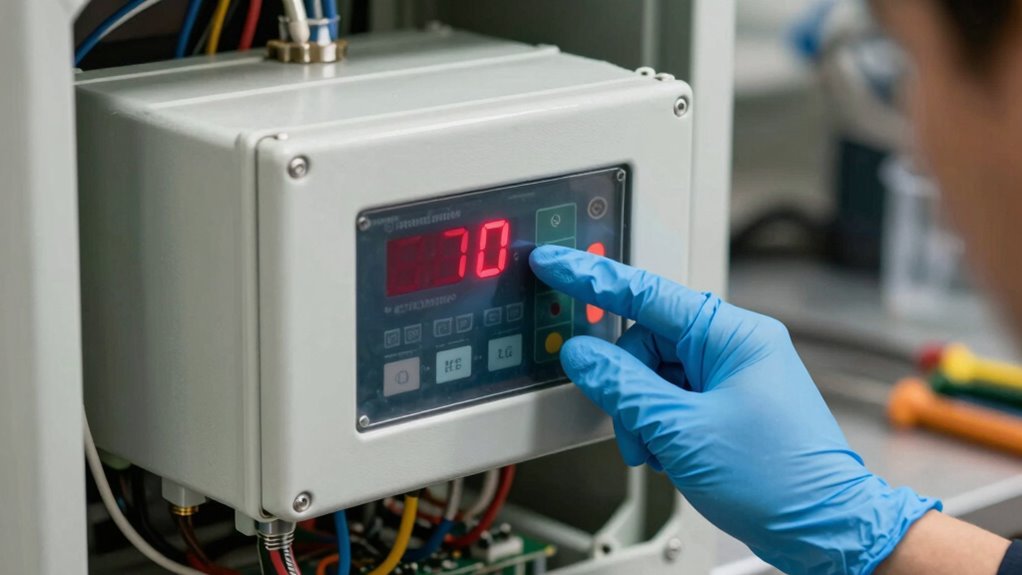
If your heating system isn’t producing enough warmth, it can be both frustrating and uncomfortable. Before calling in a professional, you can try a few troubleshooting steps to improve your heat output. Start by checking your thermostat calibration. Sometimes, the thermostat can become misaligned or inaccurate, causing your heating system to shut off prematurely or not turn on at all. To test this, set your thermostat to a higher temperature and see if the system kicks in. If it doesn’t, consider adjusting or recalibrating the thermostat. Many modern thermostats allow for easy calibration in their settings, but if yours is old or manual, replacing it might be the best option. Proper thermostat calibration guarantees your heating system responds accurately to your temperature settings, resulting in consistent warmth.
Next, examine your radiators or heat emitters. If they’re not radiating heat effectively, the problem might be trapped air inside the radiators. Radiator bleeding is a simple yet essential step to restore maximum heat output. To bleed a radiator, turn off your heating system, wait for the radiators to cool slightly, and then locate the bleed valve—usually at the top corner of the radiator. Use a radiator key or a flat-head screwdriver to open the valve slowly. You’ll hear a hissing sound as trapped air escapes. Once water starts to trickle out steadily, close the valve tightly. Bleeding your radiators removes air pockets that can prevent hot water from circulating properly, greatly improving heat distribution. Additionally, check your boiler pressure** regularly, as low pressure can limit the system’s ability to deliver heat effectively. If the pressure gauge reads below the recommended level, top up the system with water using the filling loop, following the manufacturer’s instructions. Maintaining proper boiler pressure guarantees your heating system operates efficiently and helps prevent energy waste**.
Finally, inspect your pipes and radiators for any blockages or leaks. Debris buildup or leaks can impede water flow, reducing heating efficiency. If you notice any corrosion or leaks, contact a professional to fix the issue promptly. Regular maintenance, including flushing your system when needed, can prevent many of these problems from recurring.
As an affiliate, we earn on qualifying purchases.
Frequently Asked Questions
How Often Should I Perform Maintenance on My Heating System?
You should perform maintenance on your heating system at least once a year to guarantee peak heating efficiency. Regular check-ups, ideally before colder months, help prevent issues and keep your system running smoothly. If you notice reduced heat or strange noises, consider more frequent inspections. Following a consistent maintenance schedule, including filter changes and system cleaning, will extend your system’s lifespan and maintain its efficiency throughout the season.
Can Dirty Filters Cause Weak Heat Output?
It’s no coincidence that dirty filters often cause weak heat output; airflow blockages hinder your system’s efficiency. When filters get clogged, they restrict airflow, making it harder for warm air to circulate. Regular filter replacement guarantees proper airflow, preventing weak heat issues. You might not notice right away, but over time, dirty filters can substantially reduce heating performance. Keep your filters clean to maintain ideal warmth and system efficiency.
Is It Safe to Repair My Heating System Myself?
You can attempt DIY safety repairs if you’re confident and knowledgeable, but many heating system issues require professional repair to guarantee safety and proper functioning. If you’re inexperienced, it’s best to avoid risky DIY fixes, as mishandling can cause injury or further damage. When in doubt, hire a licensed technician to handle your heating system; this protects you and ensures the job’s done correctly and safely.
What Are Signs of a Failing Thermostat?
Did you know that about 10% of heating issues stem from faulty thermostats? Signs of a failing thermostat include inconsistent heating, inaccurate temperature readings, or the system not turning on at all. You should check for thermostat calibration problems and inspect the wiring for loose connections or damage. If these signs appear, replacing or repairing your thermostat can restore proper heat, but always make certain safety before handling electrical components.
How Does Outdoor Temperature Affect Heat Performance?
Outdoor temperature considerably impacts your heat performance. When it’s cold outside, your system works harder to maintain indoor comfort, especially if your indoor insulation isn’t ideal or ventilation efficiency is poor. Insufficient insulation allows heat to escape, reducing effectiveness, while poor ventilation can cause temperature fluctuations. As outdoor temperatures drop, expect your heating system to strain more, making it essential to improve insulation and ventilation to keep your home warm efficiently.
As an affiliate, we earn on qualifying purchases.
Conclusion
When your heater isn’t producing enough warmth, quick troubleshooting can save you time and money. Regular maintenance, like cleaning filters and checking thermostats, makes a big difference. Did you know that neglecting heater maintenance can lead to up to a 30% decrease in efficiency? By staying proactive, you guarantee a cozy, warm home all season long. Don’t wait for problems to worsen—address issues early and keep your heat output strong and reliable.
As an affiliate, we earn on qualifying purchases.
As an affiliate, we earn on qualifying purchases.
NFL season / tailgating Picks
team gear
As an affiliate, we earn on qualifying purchases.