
TL;DR

Get home appliances delivered free with Prime
- Fast, free delivery on millions of items
- Prime Video, Amazon Music and more included
- Member-only deals all year
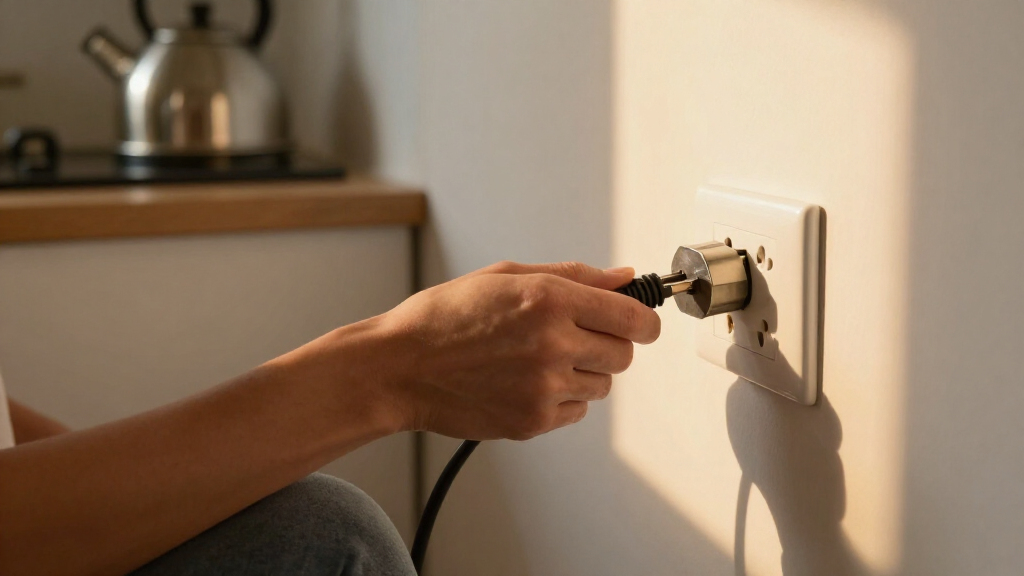
The small holes in some electrical plug prongs were originally designed to catch bumps inside older outlets and help keep plugs from slipping out. Modern outlets grip the prongs directly; manufacturers may still use the holes during production or to attach safety tags, but the holes do not conduct electricity, provide grounding or childproof an outlet.
Small holes in the flat blades of some electrical plugs began as a way to help hold plugs in older outlets, but they are not needed for that purpose in modern receptacles. A Family Handyman report, citing the National Electrical Manufacturers Association (NEMA), says outlets now retain plugs by gripping the blades, while manufacturers may keep the holes for production or other limited uses.
In some older outlet designs, small raised bumps inside the receptacle fit into the holes in a plug’s blades. That arrangement helped keep the plug from slipping out. The design changed as outlet requirements developed: according to NEMA, manufacturers largely stopped using the bumps because they made plugs harder to withdraw and did not help meet the minimum retention requirement.
The holes are not required by American plug standards, according to the report. NEMA does specify the size and placement of holes when manufacturers choose to include them. The holes do not carry electricity; the flat blades perform their electrical function whether they have holes or not.
Manufacturers may use the openings to hold metal blades in position during production. The holes can also accommodate small tags or locks on unplugged appliances. Those uses do not make them a substitute for suitable safety equipment or procedures. The report notes that workplace maintenance involving hazardous energy is addressed by OSHA’s lockout/tagout rules.
What the Holes Do—and Do Not Do
Knowing what the holes are for can help people avoid mistaking a manufacturing detail for a safety feature. They are not childproofing: tamper-resistant receptacles use internal shutters that resist objects entering the outlet. The Electrical Safety Foundation International (ESFI) says those receptacles otherwise work like ordinary outlets, though users may feel the shutter engage when inserting a plug.
The holes are also unrelated to grounding. On a three-prong plug, the round pin provides the ground connection; the holes in the flat blades do not. This distinction matters when identifying a damaged plug or choosing appropriate outlet protection: the presence or absence of blade holes does not indicate whether a plug is grounded or an outlet is tamper-resistant.
The report also offers a practical warning about loose plugs. Modern outlets are meant to grip plug blades directly. If a plug repeatedly slips out, the outlet may need replacement rather than a plug with holes or a makeshift fix. Electrical work should be handled by a qualified professional, especially when a receptacle needs inspection or replacement.
Products Worth Considering

Philips Hue Play Gradient 65-Inch Smart TV Light Strip

Blueair Blue Pure 211i Max Air Purifier for Large Rooms

Dyson V8 Cyclone Cordless Vacuum
As an affiliate, we earn on qualifying purchases.
From Retention Bumps to Modern Grips
The explanation follows a change in how outlets retain plugs. Older receptacles could use small internal detents that engaged with holes in the blades. The report quotes NEMA’s explanation that manufacturers moved away from those detents because they increased the force needed to withdraw a plug without helping satisfy the minimum retention requirement.
Today, outlets hold plugs through contact with the blades rather than by engaging holes. The report also distinguishes that mechanism from tamper-resistant receptacles, whose shutters are intended to block access when an object is pushed into one opening alone. The ESFI says excessive force needed to insert a plug into a tamper-resistant receptacle could indicate that the plug, rather than the receptacle, is damaged.
The report draws on a 2023 NEMA frequently asked questions document, as well as material from Hubbell Wiring Device-Kellems, OSHA and ESFI. It describes established plug features and guidance, not a newly announced standard or a recent regulatory change.
What the Holes Cannot Tell You
The report does not identify a single reason every manufacturer includes holes in plug blades today; the stated uses include holding blades during manufacturing and attaching tags or locks. The design varies by product, and the presence of holes alone does not show how a particular plug was made or whether it has a safety function beyond those uses.
It also does not assess any specific loose outlet, plug, or damaged receptacle. Whether an outlet needs repair depends on its condition. The report’s general explanation should not be treated as a diagnosis of an individual electrical installation.
Check Loose Plugs Safely
No new standard or policy change is described in the report. For household users, the practical next step is to treat a plug that will not stay seated as a possible outlet problem, rather than relying on blade holes to secure it. Avoid forcing a plug into a receptacle or using damaged electrical equipment.
If a receptacle is loose, damaged, hot, or otherwise behaving abnormally, stop using it and arrange an inspection by a licensed electrician. Any repair should follow applicable electrical codes and safety requirements. For workplace equipment maintenance, follow the relevant hazardous-energy control procedures, including OSHA lockout/tagout requirements where they apply.
Key Questions
Why do some electrical plug prongs have holes?
The holes originally let raised bumps inside some older outlets catch the blades and help keep plugs from slipping out. Modern receptacles generally retain plugs by gripping the blades.
Do the holes help electricity flow?
No. According to the report, the holes do not conduct electricity. The flat blades work the same way whether or not they contain holes.
Are the holes a child-safety feature?
No. Tamper-resistant receptacles use built-in shutters to restrict access to the outlet openings. The holes in plug blades do not provide that protection.
Do the holes ground a plug?
No. On a three-prong plug, the round pin provides grounding. The holes in the flat blades are unrelated to the ground connection.
What should I do if a plug keeps slipping out?
A loose plug may mean the receptacle is worn or needs attention. Stop relying on it to hold the plug and have the outlet checked by a licensed electrician; do not try to secure it with an improvised fix.
Source: familyhandyman.com