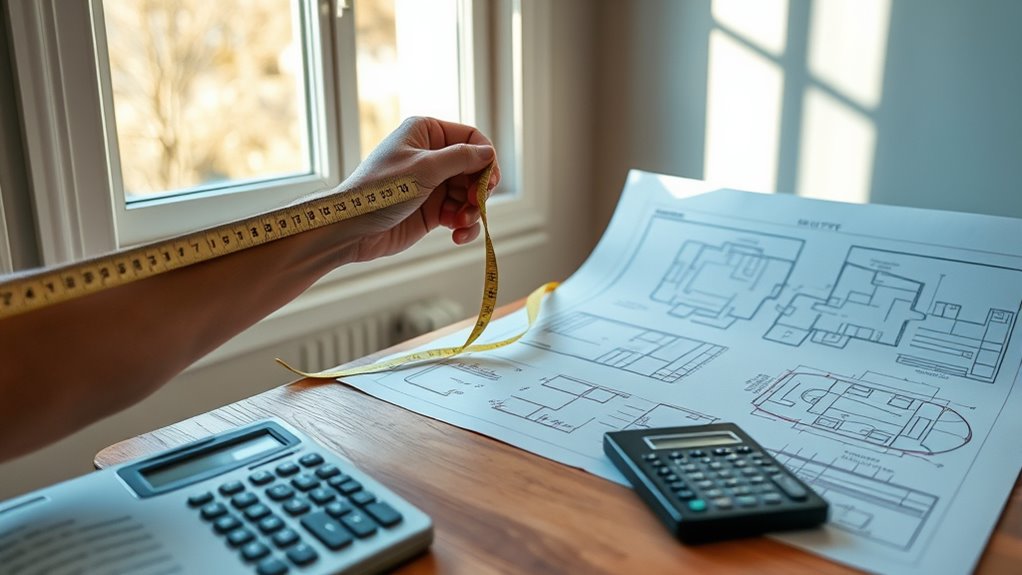

To calculate the BTU requirements for your room, start by measuring its length, width, and ceiling height accurately. Use the general rule of about 20 BTUs per square foot, adjusting for factors like high ceilings, large windows, or poor insulation that can increase your needs. Properly insulating your space helps reduce required BTUs. For precise sizing and energy efficiency tips, keep exploring further—you’ll find helpful details to optimize your comfort and savings.
Key Takeaways
- Measure your room’s length, width, and ceiling height accurately for precise BTU calculation.
- Use the standard estimate of about 20 BTUs per square foot as a baseline.
- Consider room features like large windows, high ceilings, or poor insulation that increase BTU needs.
- Adjust BTU requirements based on insulation quality and external temperature influences.
- Consult HVAC professionals or use BTU calculators for more accurate and tailored sizing.

Determining the right BTU (British Thermal Units) requirement is vital for ensuring your heating or cooling system works efficiently. When you select the appropriate BTU, you’re not just making sure your room stays comfortable—you’re also optimizing energy efficiency, which can save you money on utility bills. A properly sized unit prevents overworking or underperforming, both of which can lead to higher energy costs and wear on your system. To start, you need to understand the importance of insulation and how it impacts your heating and cooling needs. Good insulation acts as a barrier, keeping warm air inside during winter and outside during summer, which reduces the load on your HVAC system. Without proper insulation, even the most powerful unit might struggle to maintain a steady temperature, wasting energy and increasing your bills. Conversely, if your room is well-insulated, it requires fewer BTUs to reach and sustain your preferred temperature, boosting energy efficiency overall.
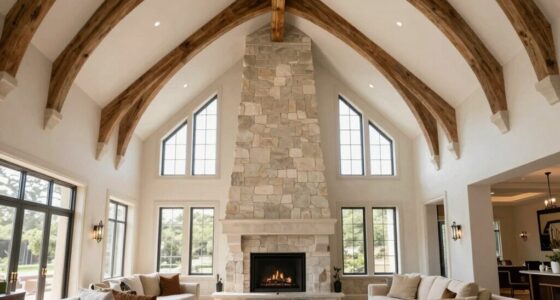
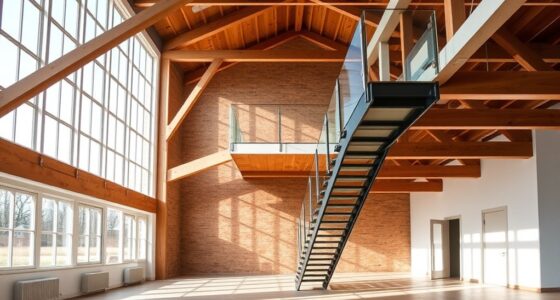
Next, you should measure your room’s size accurately, including length, width, and ceiling height. Larger rooms naturally need more BTUs because they contain more air that needs to be heated or cooled. For standard rooms with average insulation, a general rule is to allocate about 20 BTUs per square foot. However, this is just a starting point—your specific circumstances can change the calculation. For example, rooms with high ceilings or large windows may need additional BTUs because they tend to lose or gain heat more rapidly. On the other hand, rooms with excellent insulation and fewer windows require fewer BTUs to maintain comfort. It’s vital to weigh these factors because they directly influence your energy efficiency. Using a simple BTU calculator or consulting with an HVAC specialist can help you determine a more precise number tailored to your room. Additionally, understanding the impact of insulation quality can significantly affect your BTU calculation and overall energy consumption.

Yritioa Pink Calculator Small,Back to School Supplies,Classroom Must Have Essentials,Cute Solar 4 Function Calculators Basic Calculator for Home Office Supplies,Stocking Stuffers for Teen Girls Boys
- Solar-powered, no batteries needed: Operates in well-lit areas using solar energy
- Compact and portable size: Measures 4.72 x 2.7 inches, fits in pocket
- 8-digit digital display: Clear, easy-to-read large display
As an affiliate, we earn on qualifying purchases.
As an affiliate, we earn on qualifying purchases.
Frequently Asked Questions
How Do Ceiling Height Variations Affect BTU Calculations?
Ceiling height considerably impacts BTU calculations because higher ceilings increase the room’s volume, requiring more cooling or heating power. When you account for ceiling height, you need to adjust volume calculations accordingly, since traditional square footage alone isn’t enough. By considering these variations, you guarantee your unit can handle the larger or smaller space effectively, providing ideal comfort and energy efficiency.
Should Insulation Quality Influence BTU Requirements?
Absolutely, insulation quality can dramatically influence your BTU needs! Think of insulation types as your room’s superhero armor—better thermal resistance means less heat escapes, so you won’t need nearly as much cooling or heating power. Poor insulation is like a sieve, forcing your system to work overtime. So, when calculating BTUs, always consider the insulation’s thermal resistance—it’s the secret to energy efficiency and comfort!
How Do Window Types Impact Heating Needs?
Your window types greatly impact your heating needs because window efficiency and glass insulation determine heat loss. Double-pane or low-E windows improve insulation, reducing heat escape and lowering BTU requirements. Conversely, single-pane windows with poor insulation allow more heat to escape, increasing your heating needs. Upgrading to better window types can make your space more energy-efficient and comfortable while decreasing your heating costs.
Do Outdoor Climate Conditions Alter BTU Calculations?
Yes, outdoor climate conditions do alter BTU calculations. In colder climates, you’ll need higher BTU ratings for better heat output, while milder conditions require less. Considering energy efficiency is crucial, so choose appliances that match your climate. Venting considerations also influence your heating needs; proper venting ensures ideal heat distribution and prevents energy loss. Adjust your BTU calculations accordingly to maintain comfort and efficiency year-round.
Is It Necessary to Adjust BTU Estimates for Room Usage?
Think of your room like a stage—lighting and furniture placement influence how much heat is needed. Yes, you should adjust BTU estimates for room usage because activities like cooking or hosting gatherings generate more heat. For example, a brightly lit room with lots of electronics or crowded furniture may need a higher BTU rating, ensuring comfort while preventing your AC from working harder than necessary.

DREO Space Heater, Portable Electric Heaters for Indoor Use with Thermostat
- Powerful Heating System: 1500W PTC ceramic with fast heat funnel
- Extended Heat Coverage: Circulates warm air up to 200% farther
- Enhanced Safety Features: Tilt sensor, flame retardant materials, overheat protection
As an affiliate, we earn on qualifying purchases.
As an affiliate, we earn on qualifying purchases.
Conclusion
Now that you’ve revealed the secret formula for your room’s BTU needs, think of it as tuning a finely crafted instrument. When you match the right BTU, your space breathes easy, a harmonious oasis amid the chaos. It’s like planting a seed of comfort that blossoms into perfect climate control. With this knowledge, you hold the key to transforming your room into a sanctuary where every breeze and warmth plays its part in the symphony of comfort.

Garvee 14,000 BTU(9300 BTU SACC) Portable Air Conditioner
- Powerful Cooling Capacity: 14,000 BTU with 9,300 BTU SACC
- Suitable for Large Rooms: Cools 550-750 sq. ft.
- Multi-Mode Operation: Cooling, Dehumidifier, Fan modes
As an affiliate, we earn on qualifying purchases.
As an affiliate, we earn on qualifying purchases.
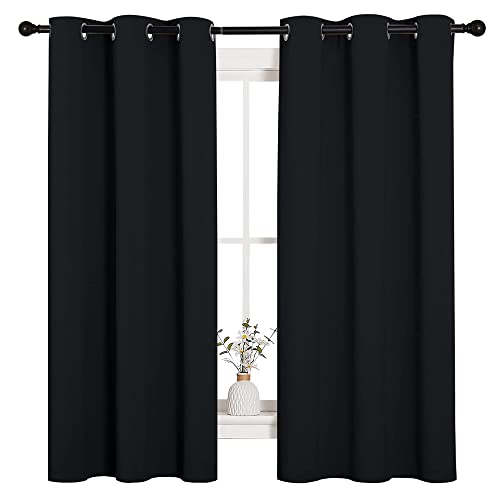
NICETOWN Halloween Pitch Black Solid Thermal Insulated Grommet Blackout Curtains/Drapes for Bedroom Window (2 Panels, 42 inches Wide by 63 inches Long, Black)
- Set Includes: 2 blackout curtain panels, 42×63 inches
- Light Blocking: Impede 85%-99% of light and UV rays
- Noise Reduction: Reduces noise for better TV viewing
As an affiliate, we earn on qualifying purchases.
As an affiliate, we earn on qualifying purchases.