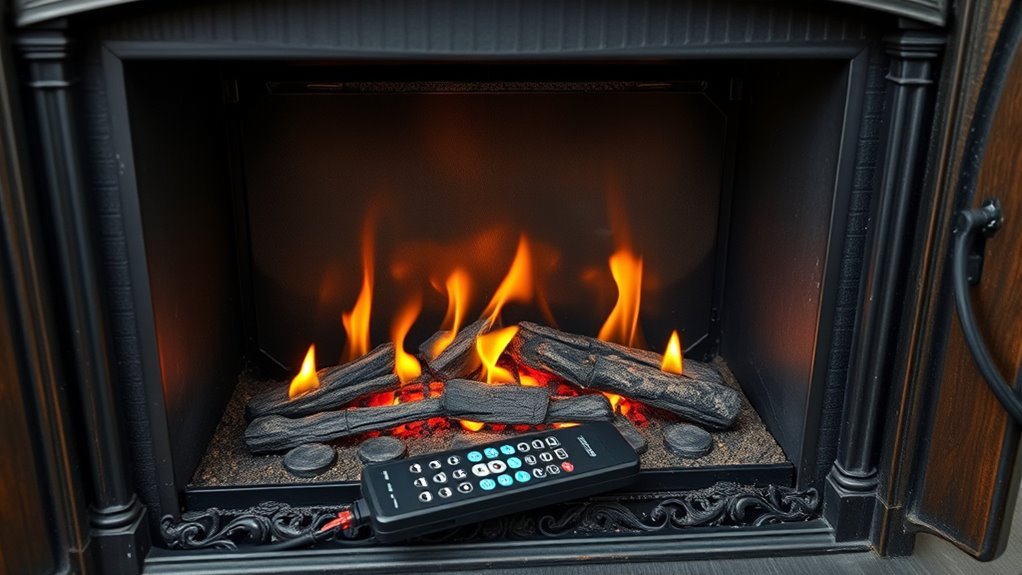

If your electric fireplace suddenly stops working, flickers erratically, or makes buzzing or clicking sounds, these are signs it needs maintenance. You might notice strange odors or dust buildup, indicating potential overheating or wiring issues. External signs like damaged cords, loose connections, or clogged vents also point to the need for inspection. Ignoring these warning signs can lead to safety hazards or costly repairs, so stay alert—more helpful tips await if you continue exploring.

Get home appliances delivered free — and shop member deals
- Fast, free delivery on millions of items
- Access to Prime Big Deal Days deals on October 6–7
- Prime Video, Amazon Music and more included
Key Takeaways
- Sudden stops or flickering flames indicate internal wiring or control system issues needing inspection.
- Strange odors or burnt smells during operation suggest dust buildup or overheating problems.
- Unusual noises like buzzing, clicking, or grinding signal mechanical or component malfunctions.
- Visible dust, debris, or damaged cords on external checks point to maintenance needs.
- Signs of improper installation or loose connections increase safety risks and require routine inspection.
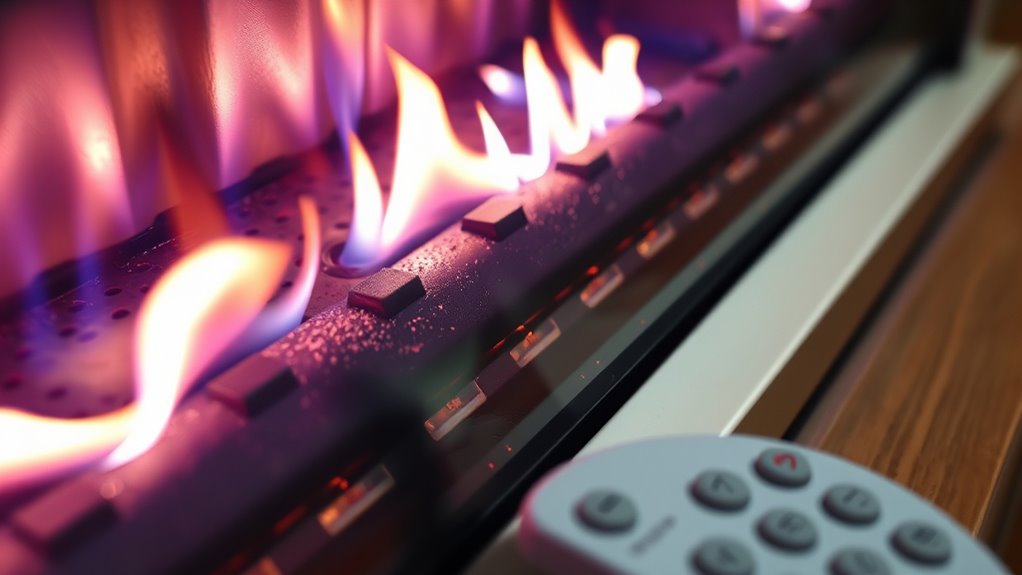
Your electric fireplace is a cozy addition to your home, but like any appliance, it requires regular maintenance to keep it running smoothly. Ignoring signs that it needs attention can lead to safety concerns or even damage that’s costly to repair. One of the first things to watch out for is unusual behavior in the unit’s operation. If the fireplace suddenly stops working or the flames flicker erratically, it’s a clear sign that something isn’t right. These irregularities could indicate internal wiring issues or a malfunctioning control system. Addressing these early can prevent further damage and guarantee your safety, as faulty wiring or electrical components can pose fire risks.
Another common sign that your electric fireplace needs maintenance is the presence of strange odors or excessive smoke. While electric fireplaces don’t produce actual smoke, dust or debris accumulated inside the unit can cause unpleasant smells when the heater is on. If you notice a burnt smell or smoke-like fumes, turn off the unit immediately and inspect it. This could be a sign of dust buildup or a wiring problem caused by previous installation issues. Over time, improper installation can lead to overheating or electrical shorts, which compromise safety and can damage the unit permanently. Regular cleaning and proper installation are essential to prevent such hazards.
You should also pay attention to the sounds your fireplace makes. Unusual noises like buzzing, clicking, or grinding could be a sign of mechanical or electrical problems. These sounds often point to loose or worn-out parts, or issues with the motor or fan. If ignored, they can escalate into more serious problems, potentially leading to safety concerns or a complete breakdown of the unit. Routine inspections and timely repairs help keep your fireplace functioning safely and quietly.
The physical appearance of your electric fireplace can also be an indicator of maintenance needs. If you notice dust, dirt, or debris on or around the unit, it’s time to clean it. Dust buildup can clog vents, reduce efficiency, and even cause overheating. Additionally, check the power cord and plug for any signs of damage, fraying, or loose connections. Damaged cords are safety hazards and should be replaced immediately. Sometimes, installation issues—like improper wiring or insecure connections—can cause these problems, so verifying that your unit is correctly installed and maintained is vital for safe operation. Regular inspections can also help identify vital safety concerns early and prevent costly repairs.
electric fireplace maintenance kit
As an affiliate, we earn on qualifying purchases.
As an affiliate, we earn on qualifying purchases.
Frequently Asked Questions
How Often Should I Schedule Professional Maintenance for My Electric Fireplace?
You should schedule professional maintenance every one to two years for your electric fireplace. A regular maintenance schedule guarantees peak performance and safety. During professional inspections, technicians check for any electrical issues, clean components, and verify that everything works correctly. If you notice unusual noises, flickering, or other problems, don’t wait—schedule a maintenance visit sooner. Staying proactive keeps your electric fireplace safe, efficient, and long-lasting.
Can I Fix Electrical Issues in My Fireplace Myself?
You can attempt DIY repairs for minor electrical issues, but be cautious. Always unplug your fireplace before doing any electrical troubleshooting. If you’re comfortable with basic electrical work, you might replace a faulty power cord or reset the circuit. However, for complex problems, it’s best to consult a professional. Incorrect DIY repairs could cause further damage or safety hazards, so know your limits and prioritize safety when troubleshooting electrical issues.
What Safety Precautions Should I Take Before Cleaning?
Before you start cleaning, it’s wise to play it safe and take proper precautions. First, unplug the fireplace to avoid electrical shock. Wear rubber gloves and safety goggles for protection. Use inspection tips to check for any damage or loose wires. Gather cleaning supplies like a soft cloth and mild cleaner. Remember, safety comes first—don’t rush, and make sure everything is dry before plugging it back in.
Are There Specific Signs Indicating a Malfunctioning Thermostat?
If your electric fireplace’s thermostat isn’t working properly, look for signs like temperature inconsistencies or the unit not turning on or off at the right times. You might notice it struggles with thermostat calibration or fluctuates unexpectedly. These issues indicate a malfunctioning thermostat. To fix this, consider recalibrating the thermostat or replacing it if problems persist. Regular maintenance helps make sure your fireplace operates safely and efficiently.
Is It Normal for My Fireplace to Make Noise During Operation?
Your electric fireplace making noise during operation is like a symphony of sounds, which can be normal or a sign of trouble. Small operation sounds, such as clicking or humming, often indicate the fireplace is functioning properly. However, loud or unusual fireplace noise might signal loose parts or dust buildup. If the sounds become disruptive or strange, it’s best to turn it off and inspect or call a professional to guarantee safe operation.
electric fireplace cleaning tools
As an affiliate, we earn on qualifying purchases.
As an affiliate, we earn on qualifying purchases.
Conclusion
Don’t ignore these warning signs—addressing issues early can save you time and money down the line. Your electric fireplace is designed to keep your space cozy, but neglecting maintenance might lead to inefficiencies or damage. Think it’s complicated or costly? Regular, simple checks are all it takes to keep it running smoothly. Stay proactive, and enjoy a warm, safe, and trouble-free fireplace whenever you need it.
As an affiliate, we earn on qualifying purchases.
electric fireplace vent cleaning brush
As an affiliate, we earn on qualifying purchases.
As an affiliate, we earn on qualifying purchases.
Fall yard work Picks
leaf blowers
As an affiliate, we earn on qualifying purchases.