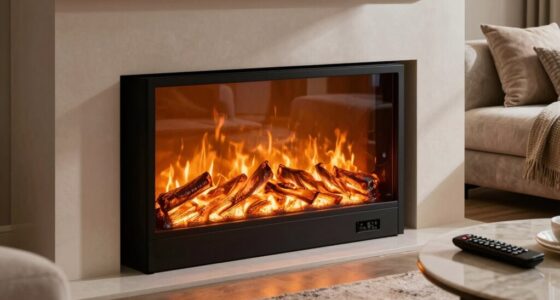
Electric fireplaces are very energy-efficient, typically using about 1.2 to 1.5 kW per hour, which is less than space heaters and traditional fireplaces. They deliver focused warmth and convert nearly all electricity into heat, making them cost-effective for heating small areas. Unlike other appliances, they don’t produce emissions and are safer to operate. If you want to understand how they compare to other household heating options, you’ll find useful details ahead.
Key Takeaways
- Electric fireplaces typically use 1.2 to 1.5 kW per hour, consuming less energy than central heating or space heaters for small areas.
- They are highly efficient, converting nearly all electrical energy into heat, unlike less efficient traditional fireplaces.
- Compared to space heaters, electric fireplaces offer targeted warmth with lower energy consumption and better control.
- Good insulation reduces the energy needed for electric fireplaces, making them more cost-effective.
- Overall, electric fireplaces generally consume less energy and cost less to operate than many household appliances.

Electric fireplaces are often chosen for their cozy warmth and aesthetic appeal, but many people wonder how their energy consumption compares to other household appliances. When you look into the cost comparison, electric fireplaces tend to use less energy than central heating systems, especially if you’re only using them to heat a single room. They typically consume between 1.2 to 1.5 kilowatts per hour, which is quite efficient considering the targeted warmth they provide. Unlike space heaters, which can sometimes be less efficient and cause higher energy bills, electric fireplaces deliver heat directly where you need it without wasting energy on unoccupied areas. This focused heating means you can keep your overall energy costs down while still enjoying a cozy environment.
Another factor that influences how much energy an electric fireplace uses is its insulation effects. If your room is well-insulated, the fireplace doesn’t have to work as hard to maintain a comfortable temperature. Good insulation traps heat inside, reducing the workload on your electric fireplace. Conversely, poorly insulated spaces allow heat to escape quickly, which can cause the fireplace to operate longer or at higher settings, increasing energy consumption. So, the overall efficiency depends greatly on your home’s insulation. If you’re considering installing an electric fireplace, improving your room’s insulation can considerably reduce energy use and save you money in the long run.
Compared to other household appliances like space heaters or traditional fireplaces, electric models generally offer better energy efficiency because they convert nearly all the electrical energy into heat. Traditional wood-burning fireplaces, for instance, are much less efficient since a lot of heat escapes through the chimney. Space heaters, while effective, often operate at higher wattages and can be less energy-efficient if used improperly or for extended periods. Electric fireplaces, on the other hand, can be set to operate at lower settings or timers, helping you control energy use precisely. Plus, because they don’t produce emissions or require ventilation, they’re safer and more cost-effective to run.
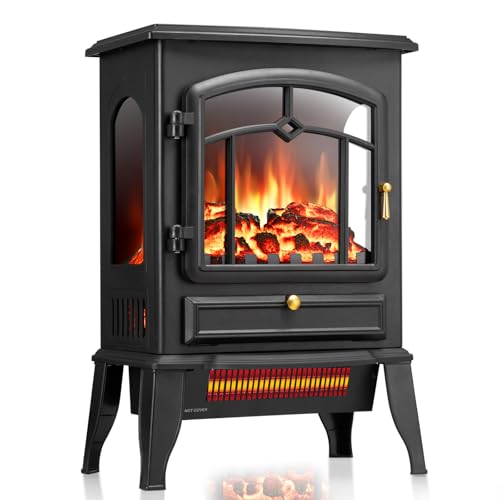
ZAFRO Electric Fireplace Stove, 5100 BTU Quick Heating Electric Fireplace Heater with Adjustable Flame Brightness, 1000W/1500W Thermostat, for Living Room, Bedroom
Charming Design: This electric fireplace stove adopts a vintage – style stove body design, paired with highly realistic…
As an affiliate, we earn on qualifying purchases.
As an affiliate, we earn on qualifying purchases.
Frequently Asked Questions
How Does Electricity Consumption Vary Between Different Electric Fireplace Models?
You’ll find that electricity consumption varies between electric fireplace models based on their thermal efficiency and features. Higher-efficiency models use less energy to produce the same heat, making them more cost-effective. When doing a model comparison, look for those with adjustable settings and energy-saving modes, which can help reduce consumption. Overall, choosing a well-designed, efficient model guarantees you enjoy warmth without excess energy use.
Are Electric Fireplaces More Energy-Efficient Than Traditional Wood-Burning Stoves?
Think of electric fireplaces as the nimble dancers of home heating—more energy-efficient than traditional wood stoves. They consume less electricity, helping you with energy conservation, and produce no emissions, reducing environmental impact. You’ll find they heat effectively without wasting energy, making them a smarter, greener choice. So, if you want warmth that’s kind to the planet and your bills, electric fireplaces are a bright, efficient solution.
What Are the Cost Implications of Using Electric Fireplaces Long-Term?
Using an electric fireplace long-term can lead to significant cost savings since it consumes less energy than other heating appliances. Plus, you’ll save on maintenance costs because electric fireplaces have no chimney cleaning or fuel expenses. Although the initial investment may be higher, you’ll benefit from lower operational costs over time, making it a budget-friendly choice for heating your space efficiently and affordably.
How Do Electric Fireplaces Impact Overall Household Energy Bills?
Think of your household’s energy bills as a flowing river, and your electric fireplace as a gentle stream within it. Using it can lead to cost savings, especially if you rely less on central heating. Its environmental impact is minimal compared to traditional fireplaces, making it a greener choice. Overall, an electric fireplace helps you manage energy consumption wisely, reducing bills while supporting eco-friendly living.
Can Smart Controls Reduce the Energy Use of Electric Fireplaces?
Yes, smart controls can reduce your electric fireplace’s energy use. By using a smart thermostat, you can set precise temperatures and schedules, avoiding unnecessary heating. Additionally, energy monitoring features let you track consumption, helping you identify and cut waste. These tools enable you to optimize your fireplace’s operation, saving energy and lowering your bills while maintaining comfort.

DREO Space Heater, Portable Electric Heaters for Indoor Use with Thermostat and Remote, 2024 Upgraded, Digital Display, 12H Timer, 5 Mode, 1500W PTC Ceramic Fast Safety Heat for Office Bedroom Home
Powerful heat that fits everywhere: DREO space heaters for indoor combines Hyperamics 1500W advanced PTC system with a…
As an affiliate, we earn on qualifying purchases.
As an affiliate, we earn on qualifying purchases.
Conclusion
While an electric fireplace adds cozy ambiance, it often consumes more energy than a compact LED lamp or a low-wattage fan. Yet, unlike these appliances, it provides warmth and comfort, making its higher energy use worthwhile. You enjoy the glow and heat, even if it costs a bit more. So, compare the comfort with energy efficiency — sometimes, a little extra power is a small price for the warmth and ambiance you crave.
ZAFRO Electric Fireplace Stove, 5100 BTU Quick Heating Electric Fireplace Heater with Adjustable Flame Brightness, 1000W/1500W Thermostat, for Living Room, Bedroom
Charming Design: This electric fireplace stove adopts a vintage – style stove body design, paired with highly realistic…
As an affiliate, we earn on qualifying purchases.
As an affiliate, we earn on qualifying purchases.
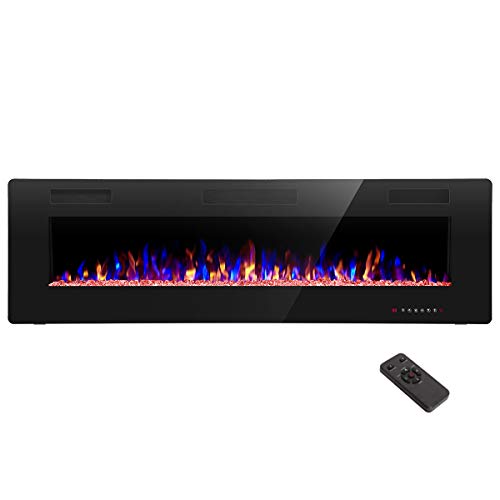
R.W.FLAME 60" Recessed and Wall Mounted Electric Fireplace, Low Noise, Fit for 2 x 6 Stud, Remote Control with Timer, Touch Screen, Adjustable Flame Color and Speed, 750-1500W
Attractive and Practical Design: 3.86"D x 60"W x 18.11"H,The thickness of the new style is only 3.86 inches…
As an affiliate, we earn on qualifying purchases.
As an affiliate, we earn on qualifying purchases.