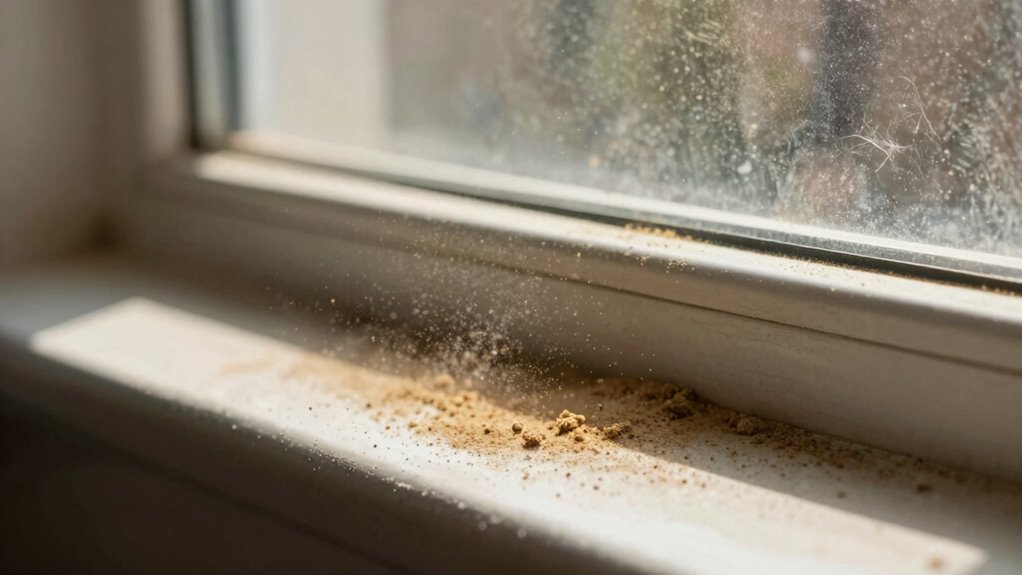
When you turn on your HVAC after being inactive for a while, dust, pet dander, pollen, and debris inside your ductwork and filters get disturbed and circulate through your home. This buildup accumulates over time and creates a musty, dusty smell once air flows again. Poor maintenance and old filters make it worse. To figure out how to reduce these smells, keep going—you’ll find helpful tips to keep your air fresh and clean.
Key Takeaways
- Dust particles settle in ductwork and filters during the off-season, causing odors when the system is first activated.
- Inactive HVAC systems allow dust and debris to accumulate, which is disturbed and circulated upon startup.
- Dirty or neglected filters fail to trap airborne dust, leading to increased dust and musty smells.
- Lack of regular duct cleaning and maintenance allows dust buildup that releases odors when airflow resumes.
- Dust mingles with warm or cool air, creating a musty or dusty smell during initial seasonal system use.
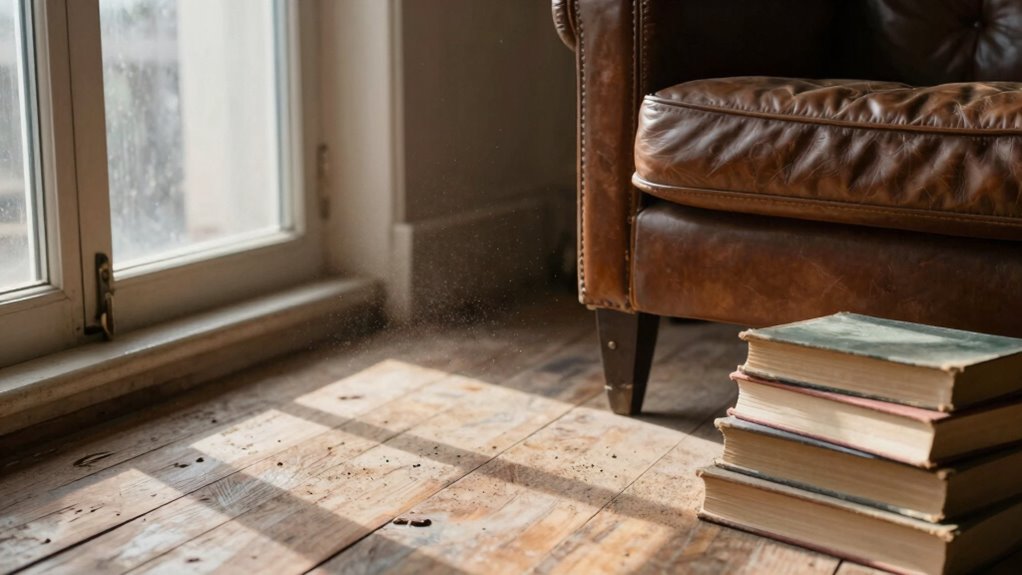
As you switch from one season to another, you might notice a familiar, lingering dust smell when you first turn on your heating or cooling system. This odor isn’t just a minor annoyance; it often signals that your air circulation system has accumulated dust and debris over time. When you activate your HVAC system after months of inactivity, that dust gets disturbed and blown into the air you breathe. The smell comes from the dust particles mingling with the warm or cool air, creating that unmistakable, musty scent. It’s a common experience, especially after periods of dormancy, and it can be quite unsettling if you’re not sure what’s causing it.
The primary cause of this dust smell is poor or inadequate HVAC maintenance. Over time, dust, pet dander, pollen, and other airborne particles settle inside your ductwork, vents, and filters. During the off-season, these particles remain undisturbed, but when you turn the system back on, they’re suddenly circulated through your living space. If your filters are dirty or haven’t been replaced in a while, they can’t trap these particles effectively, allowing dust to blow freely into your rooms. The longer the system remains unused, the more dust accumulates inside, making the initial airflow feel especially dusty and smelly. Regular HVAC maintenance can help prevent the buildup of dust and debris, ensuring cleaner air when you start up your system again. Additionally, duct cleaning can be an effective way to remove accumulated dust and improve air quality before seasonal use. Ensuring proper air filter replacement can also significantly reduce the occurrence of these odors. Incorporating preventive measures like sealing duct leaks can further minimize dust entry and improve indoor air quality.

Holikme 30 Feet Dryer Vent Cleaner Kit, Flexible Lint Brush with Drill Attachment, Fireplace Chimney Brushes Extends Up to 30 Feet for Easy Cleaning, Use with or Without a Power Drill
Home Essentials: Fireplace chimney brushes includes two high quality synthetic brush head and flexible rods that extend up…
As an affiliate, we earn on qualifying purchases.
As an affiliate, we earn on qualifying purchases.
Frequently Asked Questions
Can Dust Smell Indicate Mold Growth?
Dust smell can sometimes indicate mold growth, especially if the odor persists despite cleaning. You should consider a mold inspection to confirm if mold is present, as mold spores can cause health issues. While odor masking might temporarily hide the smell, it doesn’t resolve the underlying problem. Addressing potential mold early helps prevent further damage and ensures a healthier environment, so don’t ignore persistent dust odors.
How Long Does the Dust Smell Typically Last?
The dust smell usually lasts for a few days to a week after seasonal use. To speed up the process, guarantee good air circulation by opening windows and using fans. You can also use odor neutralizers, like baking soda or air purifiers, to help eliminate the smell faster. Regular cleaning and ventilation will make the space smell fresh sooner, making your seasonal shift more comfortable.
Is It Safe to Use Air Purifiers to Eliminate Dust Smell?
Yes, using air purifiers is safe to eliminate dust smell, as long as you maintain them properly. Regular air purifier maintenance, like changing filters and cleaning vents, guarantees they work effectively. Combine this with dust removal techniques such as dusting surfaces, vacuuming with HEPA filters, and ventilating your space. These steps help reduce dust buildup and neutralize odors, making your environment fresher and safer for you.
Does Using Certain Cleaning Products Reduce Dust Odor?
Using certain cleaning products can help reduce dust odor, especially if you include odor neutralizers in your cleaning routines. These products target the smell at its source, breaking down odor-causing particles and leaving your space smelling fresh. Regular cleaning with effective odor neutralizers prevents dust buildup and minimizes smells over time. Be sure to choose products suited for your surfaces and follow the instructions for the best results.
Can Dust Smell Affect Indoor Air Quality Long-Term?
Dust smell can impact your indoor air quality long-term if ignored. For example, poor indoor ventilation allows dust accumulation to linger, releasing musty odors that may cause respiratory issues over time. Regularly cleaning and ventilating your home reduces dust buildup, improving air quality. If you notice persistent dust smells, it’s a sign to enhance ventilation and address dust sources, ensuring healthier indoor air for you and your family.

CoreCarbon 20x30x1 Cut To Fit Furnace & Air Conditioner Washable Reusable High Air Flow Polyester Fiber Filter Media, Made in USA (20" x 30" x .75" actual)
MADE IN USA: UL 900 Classified Material designed for use in HVAC systems – Polyester Washable Furnace /…
As an affiliate, we earn on qualifying purchases.
As an affiliate, we earn on qualifying purchases.
Conclusion
So, next time you notice that familiar dust smell on first seasonal use, remember it’s just the air’s way of saying, “I’ve been waiting for this moment.” The dust’s scent is a fleeting reminder of the quiet months past, ready to be swept away again. Don’t let it tarnish your excitement—embrace the fresh start. After all, every new season is a blank page, waiting for your story to unfold.

PermaSafe HVAC Solutions, Mold Removal & Prevention Treatment, and Indoor Air Quality Enhancer for all System Components and Ductwork
STEP-1 Penetrates surfaces to destroy mold, mildew, fungi, and other microorganisms at their roots
As an affiliate, we earn on qualifying purchases.
As an affiliate, we earn on qualifying purchases.

RectorSeal Duct Seal 81880 Compound, Easily Applied to Plumbing & Metal Fabrication, Paintable General Purpose Sealant, 1 lb
APPLICATION: Rectorseal duct seal compound is a gray, soft, non-toxic, putty-type compound that adheres to most clean dry…
As an affiliate, we earn on qualifying purchases.
As an affiliate, we earn on qualifying purchases.