
Proper room insulation keeps heat inside, so your electric heater doesn’t have to work as hard, which lowers your energy bills. Well-insulated spaces reduce heat loss through walls, windows, and doors, making your home more efficient. If insulation is poor or improperly installed, your heater runs longer and consumes more power. Understanding which insulation types and techniques work best for your climate can further cut costs. Keep exploring to discover more ways to maximize your savings.

Get home appliances delivered free with Prime
- Fast, free delivery on millions of items
- Prime Video, Amazon Music and more included
- Member-only deals all year
Key Takeaways
- Proper insulation reduces heat loss, decreasing the workload on electric heaters and lowering energy costs.
- High R-value insulation materials improve thermal resistance, enhancing heating efficiency and saving money.
- Correct installation seals gaps and prevents thermal bridges, preventing heat escape and reducing energy bills.
- Regular maintenance ensures insulation remains effective, maintaining energy efficiency and minimizing heating costs.
- Insulation tailored to climate conditions optimizes heat retention, leading to lower electric heating expenses.
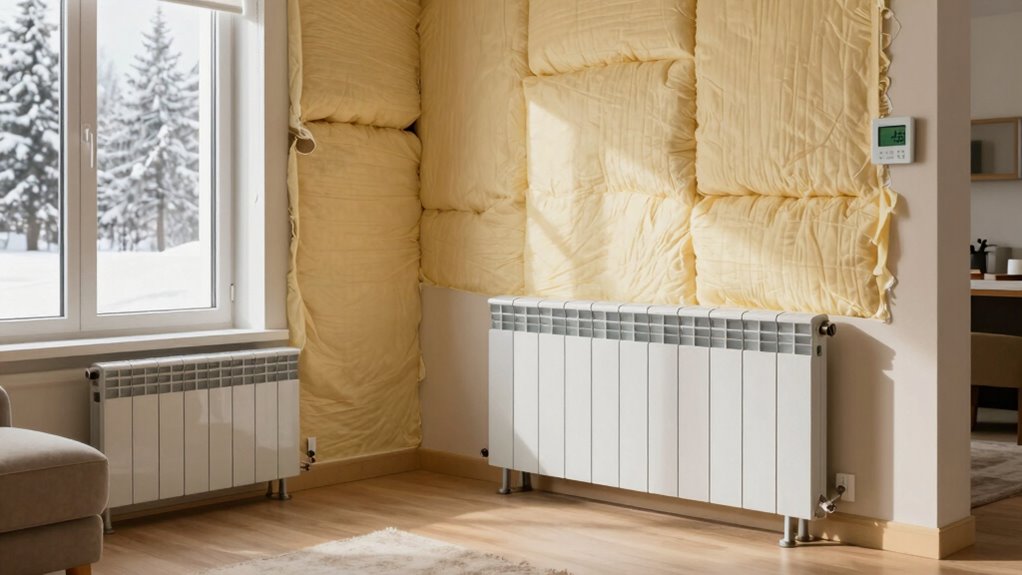
Have you ever wondered how much your room insulation impacts your electric heating bills? It’s a common question, and the answer lies in understanding how insulation influences thermal efficiency. When your room is well-insulated, less heat escapes, which means your heater doesn’t have to work as hard to maintain a comfortable temperature. This directly lowers your energy consumption and, consequently, your electric bills. On the flip side, poor insulation allows heat to seep out, forcing your heater to run longer and more often, which markedly ramps up your costs.
Good insulation reduces heat loss, cutting your electric heating costs significantly.
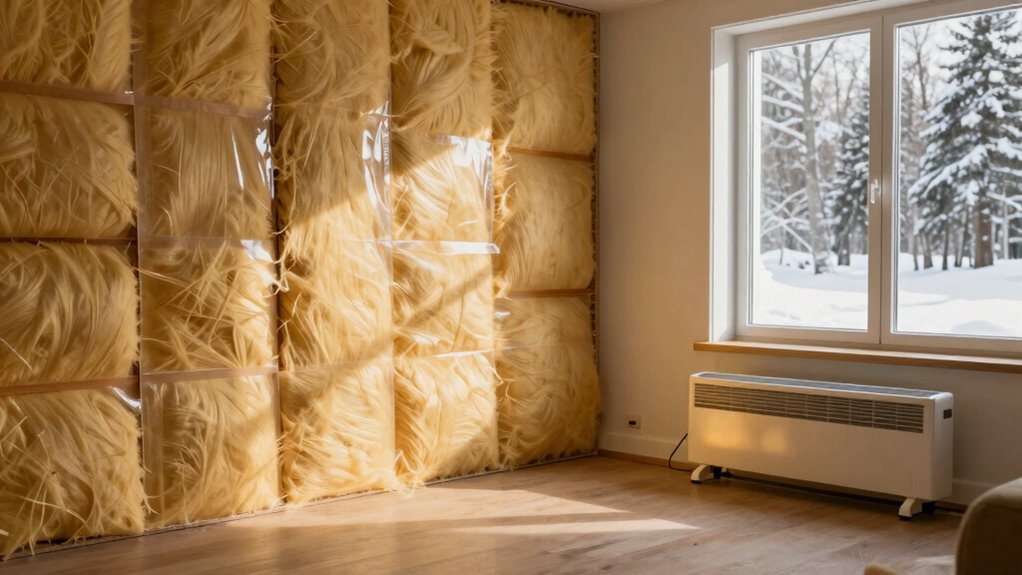
The key to good insulation isn’t just about the presence of insulation materials but also about choosing the right types for your space. Different insulation materials have varying levels of thermal efficiency, which measures how well they resist heat transfer. For example, foam boards, fiberglass batts, and spray foam each have unique properties that affect how effectively they keep heat in during winter and out during summer. When selecting insulation materials, it’s essential to consider their R-value, a standard measure of thermal resistance. Higher R-values indicate better insulating power, so investing in materials with higher R-values can make a noticeable difference in your heating costs.
Proper installation of insulation materials is equally important. If insulation is poorly installed, gaps and compressions can create thermal bridges that let heat escape or enter where it shouldn’t. This diminishes the overall thermal efficiency of your insulation system. You might even find yourself increasing your thermostat settings to compensate for the heat loss, which boosts your energy bills. Hence, ensuring that insulation is correctly installed and sealed around windows, doors, and walls will maximize its effectiveness. Additionally, incorporating traditional practices from Indigenous wisdom can enhance your understanding of natural and sustainable methods for maintaining warmth and energy efficiency in your home. Recognizing the importance of thermal resistance can also guide you in selecting insulation materials that optimize energy savings. Properly maintained insulation can prevent unnecessary energy waste and help you achieve better home energy efficiency, especially in varying climates. Furthermore, understanding how insulation materials perform in different environments can help you make more informed choices for your specific climate.
Another factor to keep in mind is how the condition of your existing insulation impacts your heating costs. Over time, insulation materials can settle, degrade, or become damaged, reducing their thermal efficiency. Regular inspections and upgrades can help maintain ideal insulation performance. Upgrading to newer, more advanced insulation materials can greatly improve heat retention and reduce electric heating expenses.
high R-value insulation materials
As an affiliate, we earn on qualifying purchases.
As an affiliate, we earn on qualifying purchases.
Frequently Asked Questions
What Types of Insulation Are Most Effective for Electric Heating Homes?
You should prioritize insulation materials like fiberglass, foam board, and spray foam, as they create effective thermal barriers. These materials reduce heat loss, making your electric heating more efficient and cost-effective. Properly installed, they prevent drafts and keep warmth inside. Focus on insulating walls, ceilings, and floors with these materials to maximize energy savings and maintain a comfortable indoor temperature, especially during colder months.
How Does Insulation Impact Heating System Lifespan and Maintenance?
Good insulation improves your heating system’s lifespan and reduces maintenance needs by ensuring proper thermal regulation and moisture control. When your home stays consistently warm, your heater works less hard, preventing wear and tear. Proper insulation minimizes temperature fluctuations and prevents moisture buildup, which can cause rust and mold. This combination helps extend your system’s durability, lowers repair costs, and keeps your home comfortable longer, making insulation a smart investment for your heating system’s health.
Can Insulation Improvements Reduce Overall Household Energy Consumption?
Yes, improving your insulation reduces overall household energy consumption. When you upgrade insulation materials with higher thermal resistance, your home retains heat better, decreasing the need for electric heating. This means your system works less often, saving energy and lowering bills. By sealing gaps and choosing quality insulation, you create a more efficient home environment. Ultimately, better insulation helps you use less energy, making your household more eco-friendly and cost-effective.
Are There Government Incentives for Upgrading Room Insulation?
Absolutely, you can snag government grants and insulation rebates when upgrading your room insulation! These incentives are like treasure chests, making your home improvement journey easier and more affordable. Governments want you cozy and energy-efficient, so they offer generous support. Don’t miss out on these incredible benefits—take advantage of the available grants and rebates today, and watch your energy bills drop while your comfort skyrockets!
How Long Does It Take to See Cost Savings After Insulation Upgrades?
You typically see cost savings within a few months after upgrading your insulation, as reduced heat loss lowers your energy bills. This quick cost recovery depends on insulation durability; high-quality materials last longer and maintain efficiency over time. Keep in mind, the more effective your insulation, the faster you’ll recoup your investment, making it a smart choice for long-term savings on electric heating costs.
As an affiliate, we earn on qualifying purchases.
Conclusion
Remember, your home’s insulation is like a warm embrace, holding in comfort while you save energy. When you invest in better insulation, you’re not just cutting costs—you’re wrapping your space in a cozy shield that fights against the chill of rising bills. Think of it as planting a seed of warmth that blossoms into savings and comfort. Embrace the power of insulation, and let your home glow with warmth, even on the coldest days.
fiberglass attic insulation batts
As an affiliate, we earn on qualifying purchases.
As an affiliate, we earn on qualifying purchases.
As an affiliate, we earn on qualifying purchases.
NFL season / tailgating Picks
team gear
As an affiliate, we earn on qualifying purchases.