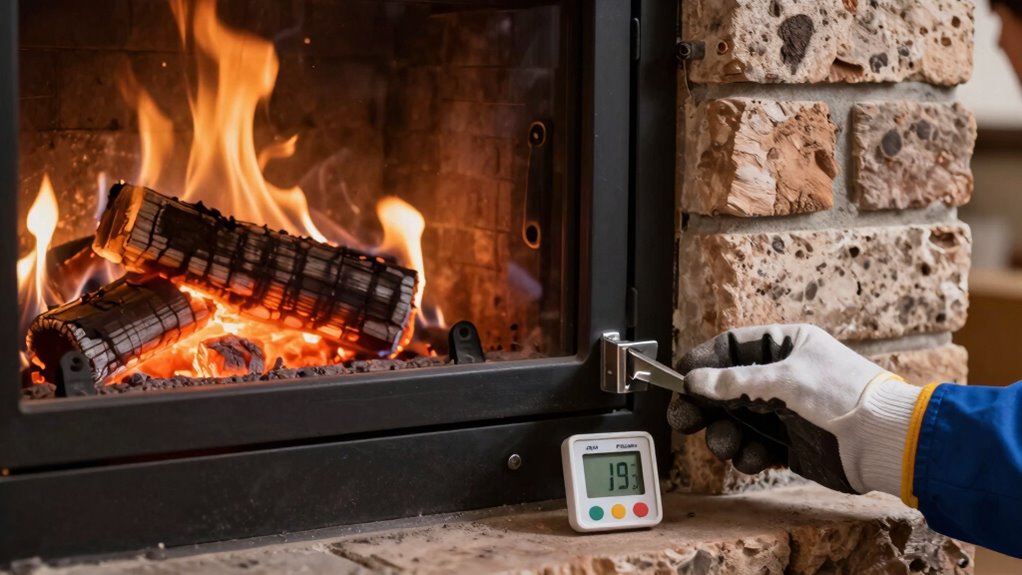

If your fireplace runs too hot, start by inspecting vents for debris or obstructions to guarantee proper airflow. Check the chimney cap for damage and creosote buildup inside the chimney, which can cause overheating. Make sure the damper moves freely and seals tightly when closed. Verify thermostat settings and controls are correct, especially for gas or electric units. Regular maintenance and early detection of issues help keep your fireplace safe and efficient—learn more about fine-tuning your fireplace’s performance below.

Get home appliances delivered free — and shop member deals
- Fast, free delivery on millions of items
- Access to Prime Big Deal Days deals on October 6–7
- Prime Video, Amazon Music and more included
Key Takeaways
- Inspect and clear vents regularly to ensure unobstructed airflow and prevent heat buildup.
- Check the chimney cap for damage and creosote buildup; schedule professional cleaning if needed.
- Verify damper moves freely and seals properly to regulate airflow and avoid excessive heat.
- Calibrate thermostat and inspect gas control or electric settings to maintain appropriate temperature levels.
- Conduct regular maintenance, replacing worn parts and scheduling professional inspections for safety.
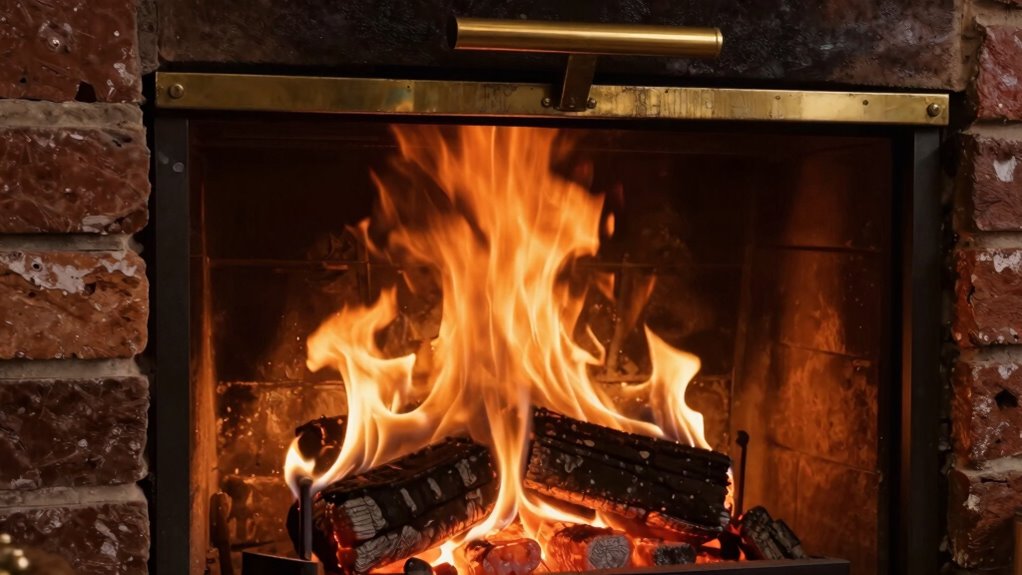
Have you noticed your fireplace getting too hot and wondering what’s causing it? When your fireplace runs excessively hot, it can be a sign of underlying issues that need immediate attention to guarantee safety and proper operation. Fireplace safety should always be a priority, especially when dealing with abnormal heating levels. The first thing to check is the venting system. Blocked or restricted vents can trap hot air and gases inside, causing the fireplace to overheat. Make sure the vents are clear of debris, bird nests, or any obstructions. Proper venting allows hot air to escape and prevents dangerous buildup, so if you notice any blockages, clear them out carefully and regularly.
Check and clear your venting system regularly to prevent overheating and ensure safe fireplace operation.
Venting issues are a common culprit behind overheating. Sometimes, a poorly installed or damaged chimney cap can cause drafts or trap heat. Check that the cap is intact and properly fitted. If you see signs of soot or creosote buildup inside the chimney, it’s a good idea to schedule a professional cleaning. Creosote buildup not only increases fire risk but can also disrupt airflow, leading to venting problems. Another aspect to think about is the damper. When the damper isn’t functioning correctly, it might not open fully or close tightly, which impacts airflow and can cause the fireplace to get excessively hot. Make sure the damper moves freely and seals tightly when closed to prevent heat from escaping or excessive airflow when in use.
Beyond venting issues, the controls and settings on your fireplace could be contributing to the overheating. If your unit has a thermostat, check it for proper calibration. An incorrect setting or malfunctioning thermostat can cause the fireplace to run longer or hotter than intended. For gas fireplaces, inspect the pilot light and gas control valve. A malfunctioning pilot or an incorrect gas flow can lead to higher flames and increased heat. Similarly, for electric fireplaces, ensure the thermostat settings are appropriate, and there are no internal faults.
Additionally, venting system maintenance**** plays a crucial role in preventing overheating, and regular inspections can help identify issues before they become serious. Lastly, think about the age and condition of your fireplace. Worn-out parts or outdated systems may not regulate heat as effectively, leading to overheating. Regular maintenance and inspections by a qualified technician can catch these issues early. Managing venting issues and maintaining your fireplace not only improves safety but also ensures it operates efficiently. Always prioritize safety, and if you’re unsure about any aspect of troubleshooting, consult a professional to avoid potential hazards. Proper care and attention will keep your fireplace safe, effective, and enjoyable for years to come.
As an affiliate, we earn on qualifying purchases.
Frequently Asked Questions
Can a Faulty Thermostat Cause the Fireplace to Overheat?
Yes, a faulty thermostat can cause your fireplace to overheat. When there’s a thermostat malfunction, it fails to regulate temperature properly, leading to excessive heat. You might notice the fireplace runs hotter than usual or doesn’t turn off when it should. To fix this, check the thermostat for signs of damage or miswiring. Replacing or repairing the thermostat restores proper temperature regulation and prevents overheating issues.
How Does Improper Ventilation Affect Fireplace Temperature?
Did you know that improper ventilation can increase your fireplace’s temperature by up to 20%? When ventilation blockages or chimney obstructions occur, hot gases don’t escape efficiently, causing heat to build up. This makes your fireplace run hotter than intended, risking damage or safety hazards. Regularly clear any ventilation blockages and check for chimney obstructions to maintain a safe, balanced temperature and guarantee proper operation.
Is It Safe to Operate a Fireplace That Runs Excessively Hot?
Operating a fireplace that runs excessively hot isn’t safe because it risks overheating and potential fire hazards. You should prioritize fireplace safety by addressing overheating prevention measures immediately, such as adjusting dampers or checking the ventilation system. Never ignore signs of overheating; it can lead to structural damage or dangerous malfunctions. Always follow manufacturer guidelines and consult a professional if you’re unsure, ensuring safe operation and peace of mind.
What Are Signs of Internal Damage in a High-Temperature Fireplace?
Ever wonder if your fireplace has internal damage? Cracks or warping in the fireplace material, unusual rust, and excessive smoke are clear signs. A chimney blockage can also cause heat buildup, leading to damage. If you notice these issues, don’t ignore them. You might be risking further damage or safety hazards. Regular inspections can help spot these signs early, ensuring your fireplace stays safe and efficient.
How Often Should I Have My Fireplace Inspected for Overheating Issues?
You should have your fireplace inspected annually, especially if you notice overheating signs. During inspections, professionals will check chimney cleaning and fireplace insulation to prevent heat buildup. Regular inspections help identify issues early, ensuring your fireplace operates safely and efficiently. If you use your fireplace frequently, consider more frequent checks. Proper chimney cleaning and good insulation are key to avoiding dangerous overheating, so schedule inspections accordingly to keep everything in top shape.
chimney cap with creosote removal
As an affiliate, we earn on qualifying purchases.
As an affiliate, we earn on qualifying purchases.
Conclusion
Now, picture your fireplace cooling down, the flames settling into a gentle, flickering glow that warms without overwhelming. By checking your damper, adjusting the airflow, and inspecting the vents, you can restore that cozy, controlled fire. Think of it as taming a wild blaze, transforming it into a steady, inviting warmth that dances softly across your room. With a little troubleshooting, you’ll enjoy a safe, comfortable fire that invites relaxation without the heat running away.
As an affiliate, we earn on qualifying purchases.
As an affiliate, we earn on qualifying purchases.
Fall Picks
fall essentials
As an affiliate, we earn on qualifying purchases.