
If your De’Longhi espresso machine is leaking water, it can disrupt your coffee routine and cause damage over time. Leaks are often caused by internal blockages, worn seals, or mineral buildup. Fortunately, most leaks are fixable with some basic troubleshooting and maintenance.

Get home appliances delivered free — and shop member deals
- Fast, free delivery on millions of items
- Access to Prime Big Deal Days deals on October 6–7
- Prime Video, Amazon Music and more included
In this guide, you’ll find clear, step-by-step instructions to identify the cause of the leak and resolve it safely. Regular maintenance and proper care can prevent future issues and extend the life of your machine.
Key Takeaways
| Identify common causes | Leaks often stem from worn seals, blockages, or mineral buildup. |
| Use proper tools | Have a screwdriver, cleaning cloth, and descaling solution ready. |
| Regular maintenance matters | Descale and replace filters periodically to prevent leaks. |
| Safety first | Always unplug the machine before working on it. |
| When in doubt, consult a professional | Seek expert help if the leak persists after troubleshooting. |
Step 1: Unplug and Prepare Your Machine
Before starting any repair, safety is paramount. Unplug your De’Longhi espresso machine and allow it to cool completely. Remove any accessories, such as the drip tray, water tank, and portafilter, to access internal components easily.
Gather necessary tools: a small screwdriver, cleaning cloth, and descaling solution if needed. Having everything at hand ensures a smoother troubleshooting process.
Step 2: Inspect for Visible Leaks and Blockages
- Check the water tank for cracks or improper seating. A loose or damaged water tank can cause leaks.
- Examine the seals around the water tank and the brew head. Look for cracks, wear, or debris that might prevent a tight seal.
- Look inside the machine for mineral deposits or blockages, especially around the water pathways. Using a flashlight can help identify obstructions.
- Remove the water tank and inspect the gasket and connection points for damage or buildup.
If you spot any cracks, damaged seals, or obstructions, these are likely sources of the leak.
Step 3: Clean and Replace Worn Seals or Gaskets
Worn or damaged seals are common culprits behind water leaks. Carefully remove any seals or gaskets that appear cracked or deformed. Clean their surfaces thoroughly with a damp cloth to remove mineral deposits or debris.
If seals are damaged beyond repair, replace them with genuine De’Longhi parts. Reinstall the seals or gaskets, ensuring they fit snugly and seal properly.
Properly seated seals are essential for preventing leaks, so double-check their positioning before reassembling.
Step 4: Descale Your Machine
Mineral buildup can cause internal blockages that lead to leaks. Use a descaling solution like the De’Longhi EcoDecalk Descaler to remove limescale deposits. Follow the manufacturer’s instructions for your specific model.
Typically, you’ll fill the water tank with the descaling solution and run a descaling cycle. This process clears mineral deposits from internal pathways, reducing leak sources and improving performance.
Regular descaling—about every 2-3 months—helps maintain the integrity of your machine and prevents future leaks.
Step 5: Test and Reassemble
Once you’ve cleaned and replaced any faulty parts, reassemble your espresso machine carefully. Reattach the water tank, ensure all seals are in place, and replace any removed panels.
Plug in the machine, run a water-only cycle without coffee to check for leaks. Observe closely for any signs of water escaping.
If the leak persists, double-check your seals and connections, or consider consulting a professional service technician.
The Products in This Guide
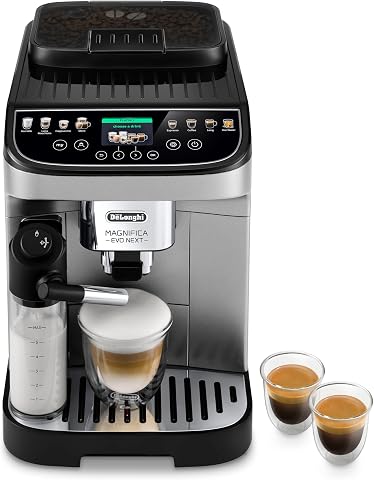
De’Longhi Magnifica Evo Next Fully Automatic Espresso Ma
- ✔ Power: 1450W
- ✔ Material: Plastic and stainless steel
- ✔ Water Filter: Included

De’Longhi Replacement Water Filter
- ✔ Size: Standard cartridge
- ✔ Weight: 0.2 pounds
- ✔ Certifications: NSF
De’Longhi Magnifica Evo Next Fully Automatic Espresso Ma
The De’Longhi Magnifica Evo Next Fully Automatic Espresso Machine combines advanced features with ease of maintenance. Its built-in grinder and Lattecrema system make it versatile, and regular care can prevent issues like leaks.
Pros:
- Highly programmable and customizable
- Built-in grinder with 13 settings
- Automatic milk frother for rich textures
- User-friendly interface
Cons:
- Can be complex to troubleshoot for beginners
- Requires regular descaling and filter replacement
Best for: Home baristas seeking a versatile, all-in-one espresso machine
Not ideal for: Users looking for a compact, no-maintenance model
Bottom line: A highly capable espresso machine that requires regular maintenance to prevent leaks and ensure optimal performance.
De’Longhi Replacement Water Filter
Using the De’Longhi Replacement Water Filter can help improve water quality and reduce mineral buildup, which are common causes of leaks and machine malfunctions. It’s easy to install and fits select De’Longhi models.
Pros:
- Enhances water quality
- Easy to install
- Prevents lime scale build-up
- Improves coffee flavor
Cons:
- Requires regular replacement
- Specific to compatible models
Best for: Maintaining optimal water quality and preventing leaks
Not ideal for: For users not regularly replacing filters
Bottom line: A simple upgrade that can help prevent leaks caused by mineral deposits and improve overall coffee flavor.
Frequently Asked Questions
Why is my De’Longhi espresso machine leaking water?
Leaks can be caused by worn seals, mineral buildup, cracks in the water tank, or internal blockages. Regular maintenance and inspection can help identify the cause.
Can I fix a leak myself, or should I call a professional?
Many minor leaks can be fixed with basic troubleshooting, such as replacing seals or descaling. However, for persistent or complex issues, consulting a professional is recommended.
How often should I descale my De’Longhi espresso machine?
It’s best to descale every 2-3 months, depending on usage and water hardness, to prevent mineral buildup that can cause leaks.
What should I do if replacing seals doesn’t stop the leak?
If replacing seals doesn’t resolve the issue, check for cracks in the water tank or internal components. Consider professional repair or contacting De’Longhi customer support.
Is using a water filter helpful for preventing leaks?
Yes, a water filter like the De’Longhi Replacement Water Filter can reduce mineral deposits that contribute to internal blockages and leaks.
Keep Your Espresso Flowing Smoothly
Regular maintenance, timely replacement of worn parts, and proper cleaning are key to preventing leaks in your De’Longhi espresso machine. By following these troubleshooting steps, you can ensure your machine remains in top condition, delivering delicious coffee every time. Don’t forget to use quality filters and descaling solutions to prolong its lifespan and enjoy a leak-free brewing experience.
Affiliate disclosure: As an Amazon Associate we earn from qualifying purchases. Prices and availability are accurate as of the time of publishing.
Halloween Picks
halloween
As an affiliate, we earn on qualifying purchases.