
TL;DR

Get home appliances delivered free with Prime
- Fast, free delivery on millions of items
- Prime Video, Amazon Music and more included
- Member-only deals all year
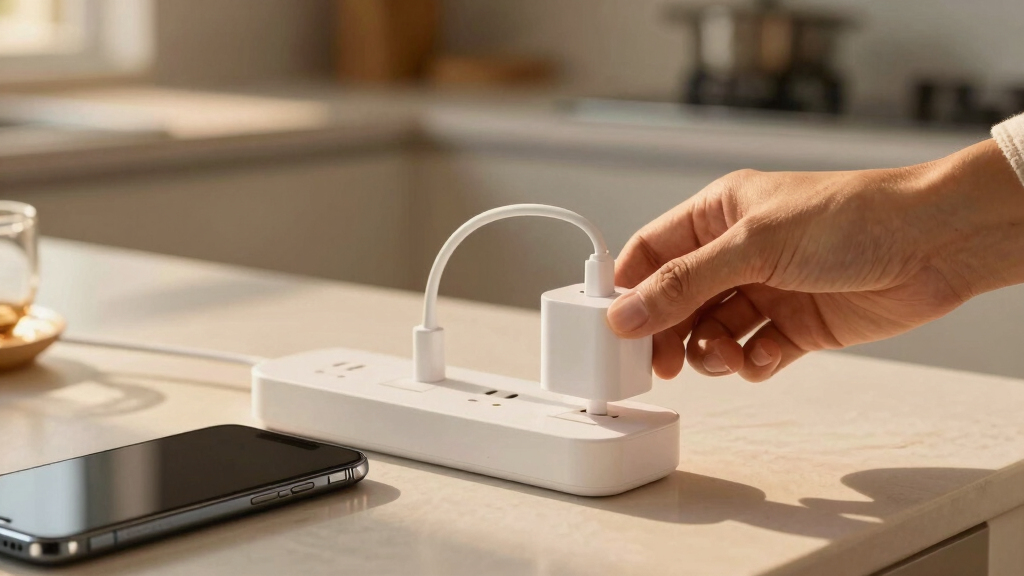
Phone chargers continue to draw small amounts of electricity when plugged in but not charging. While the energy use is minimal per device, multiple chargers can add up and impact household energy bills. This article explains the facts and what consumers can do.
Phone chargers plugged into outlets continue to draw electricity even when not actively charging a device, a confirmed fact that impacts household energy consumption and costs, especially in homes with multiple chargers.
It is confirmed that most phone chargers consume a small amount of standby power—typically between 0.1 and 0.5 watts—when plugged in but not charging a device, according to Engadget. This standby power, while minimal per device, can accumulate in homes with numerous chargers, potentially adding $0.50 to $4 annually to electricity bills depending on local rates.
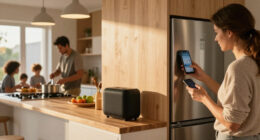
Standby power use is common across many household electronics, including televisions, computers, and kitchen appliances, collectively accounting for 5 to 10 percent of a home’s electricity consumption. Experts suggest that consumers can reduce unnecessary energy draw by using energy-efficient chargers, smart outlets, or simply unplugging chargers when not in use.
Implications of Standby Power Consumption in Homes
This small but cumulative energy use can lead to higher electricity bills over time, especially in households with many chargers. Understanding standby power helps consumers make informed decisions about energy conservation and cost savings, contributing to broader efforts to reduce household carbon footprints.
As an affiliate, we earn on qualifying purchases.
Standby Power Use and Household Energy Trends
Standby power, also known as vampire power, has been a known phenomenon for years. Recent studies and consumer reports highlight that phone chargers, along with other electronic devices, continue to draw power even when not actively charging. While individual chargers consume a negligible amount of energy, the widespread presence of multiple chargers in modern homes makes this a notable contributor to overall household electricity use.
According to data from the Canadian government and energy experts, standby power accounts for about 5-10% of total household energy consumption, emphasizing the importance of managing unused electronics. Manufacturers have also introduced energy-efficient chargers and smart outlets as potential solutions.
“Most phone chargers draw a small amount of power when plugged in, even if they’re not actively charging a device.”
— an anonymous researcher
As an affiliate, we earn on qualifying purchases.
Uncertainties About Long-Term Energy Impact
It is not yet clear how much consumer behavior changes—such as unplugging chargers—would significantly reduce overall household energy costs, or whether newer charger designs will further decrease standby power consumption.
usb charger with low standby power
As an affiliate, we earn on qualifying purchases.
As an affiliate, we earn on qualifying purchases.
Future Developments in Charger Technology and Consumer Practices
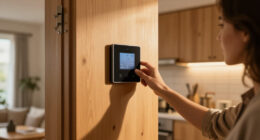
Manufacturers may continue to improve charger efficiency, and smart home devices could facilitate automatic disconnection of chargers when not in use. Consumers are encouraged to monitor their energy use and consider unplugging chargers to save costs.
automatic charger unplugging device
As an affiliate, we earn on qualifying purchases.
As an affiliate, we earn on qualifying purchases.
Key Questions
How much energy does a typical phone charger use when not charging?
Most chargers use between 0.1 and 0.5 watts in standby mode, which adds up to about 2 to 24 watt-hours per day.
Can unplugging chargers save me money?
Yes, unplugging chargers when not in use can reduce unnecessary standby power consumption, potentially saving a small amount on your electricity bill over time.
Are newer chargers more energy-efficient?
Many newer chargers are designed to be more energy-efficient, drawing less standby power, but consumers should check product specifications for efficiency ratings.
Is standby power a significant part of household energy use?
Standby power accounts for about 5 to 10 percent of a typical home’s electricity consumption, making it a relevant factor in energy management.
What are the best ways to reduce standby power consumption?
Use energy-efficient chargers, plug chargers into smart outlets that can be turned off remotely, or unplug chargers when not in use.
Source: Engadget
Cold & flu season Picks
humidifiers
As an affiliate, we earn on qualifying purchases.