Many homeowners believe electric heat is always expensive, but that’s a common misconception. They often overlook how local utility rates impact costs or assume efficiency means lower bills, which isn’t always true. Your behavior and maintenance also play a big role in the total expense. Proper insulation and smart thermostats can make a difference. To truly understand what influences your heating costs, consider all these factors—you’ll discover how to potentially save more.
Listen free for 30 days with Audible
Thousands of audiobooks and originals — cancel anytime.
As an affiliate, we earn on qualifying purchases.
Key Takeaways
- Many believe electric heat is always more expensive, ignoring local utility rates that significantly impact costs.
- Homeowners often assume high efficiency means lower costs without considering utility rates.
- Misconceptions persist that switching to electric heating guarantees savings, which isn’t true in high-rate areas.
- Proper insulation and maintenance can reduce costs, but homeowners underestimate their influence on overall expenses.
- Comparing electric heat to other systems without accounting for local utility rates leads to inaccurate cost assessments.
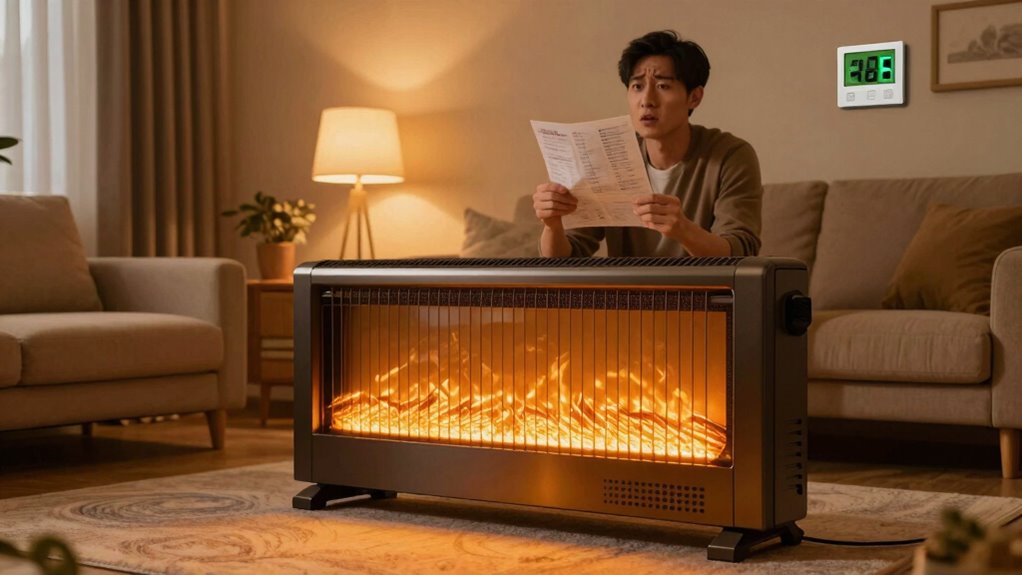
Are electric heat costs a concern for homeowners? If so, you’re not alone. Many people assume that electric heating is inherently expensive, but the reality is often more nuanced. A considerable misunderstanding revolves around how energy efficiency impacts overall costs. Electric heating systems are generally quite efficient because nearly all the electricity used is converted directly into heat. This means less energy waste compared to some traditional heating methods. However, efficiency alone doesn’t tell the whole story. Utility rates vary widely depending on location, and this variation can heavily influence your actual heating expenses. Many homeowners overlook how local utility rates affect their monthly bills, assuming that all electric heating costs are uniform regardless of where they live.
You might think that switching to electric heat will automatically save you money, but that’s not always true. While electric systems can be highly energy-efficient, if your utility rates are high, the overall costs can quickly add up. Conversely, if you live in an area with lower utility rates, electric heating can be more economical than you expect. It’s a common misconception that electric heat is always the most expensive option, but understanding your local utility rates can reveal that it isn’t necessarily the case. Additionally, many homeowners underestimate how much they can influence their costs through behavior and maintenance. Proper insulation, sealing leaks, and using programmable thermostats can substantially improve energy efficiency and reduce overall expenses, regardless of the heating system. Recognizing the impact of utility rates on overall costs can help homeowners make more informed decisions about their heating options. Moreover, understanding the cost comparison between different systems can help avoid misconceptions about which option is truly more economical in the long run.
programmable thermostat for electric heating
As an affiliate, we earn on qualifying purchases.
As an affiliate, we earn on qualifying purchases.
Frequently Asked Questions
How Does Insulation Affect Electric Heating Costs?
Insulation greatly impacts your electric heating costs by improving insulation efficiency and acting as a thermal barrier. When your home is well-insulated, less heat escapes, meaning your electric heater doesn’t have to work as hard. This reduces energy consumption and lowers your bills. Proper insulation keeps the warm air inside and cold air out, making your heating system more effective and saving you money on energy costs.
Are There Tax Incentives for Installing Electric Heating Systems?
Like a lighthouse guiding ships, tax incentives steer you toward savings. Yes, there are tax rebates and incentive programs available for installing electric heating systems. These programs aim to promote energy efficiency and reduce costs. You can often claim credits on your taxes or access rebates from local or federal programs. Take advantage of these incentives to make your electric heating upgrade more affordable and environmentally friendly.
What Maintenance Is Required for Electric Heating Units?
You need to perform routine inspections and replace filters regularly to keep your electric heating unit running efficiently. Check the system for dust buildup, loose connections, and signs of wear. Changing filters every 1-3 months improves airflow and system performance. Maintaining these simple maintenance tasks prevents breakdowns, extends the unit’s lifespan, and guarantees your home stays warm and energy-efficient throughout the colder months.
How Does Local Climate Influence Electric Heat Expenses?
Your local climate directly impacts electric heat expenses; colder areas demand more energy, leading to higher bills. If you’re considering solar panels or an electric vehicle, these can offset some costs by generating renewable energy, especially in sunny, cold climates. By understanding your climate’s influence, you can better plan for your electric heating needs and possibly reduce expenses with sustainable solutions like solar power or using your electric vehicle for backup energy.
Can Smart Thermostats Reduce Electric Heating Bills?
Yes, smart thermostats can lower your electric heating bills. They use smart scheduling and temperature optimization to adjust your home’s temperature when you’re away or asleep, reducing energy waste. By learning your habits and preferences, these thermostats guarantee your space stays comfortable without unnecessary heating. This proactive approach helps you save money on energy costs while maintaining a cozy home environment efficiently.
As an affiliate, we earn on qualifying purchases.
Conclusion
Remember, appearances can be deceiving—what seems costly upfront might save you in the long run. Understanding your electric heat options and costs helps you make smarter decisions for your home and budget. Don’t let misconceptions lead you astray; instead, educate yourself and weigh all factors. As the saying goes, “Look before you leap.” Being informed today guarantees a warmer, more affordable tomorrow.
electric heater energy efficiency
As an affiliate, we earn on qualifying purchases.
As an affiliate, we earn on qualifying purchases.
As an affiliate, we earn on qualifying purchases.
Evergreen bestsellers Picks
bestsellers
As an affiliate, we earn on qualifying purchases.