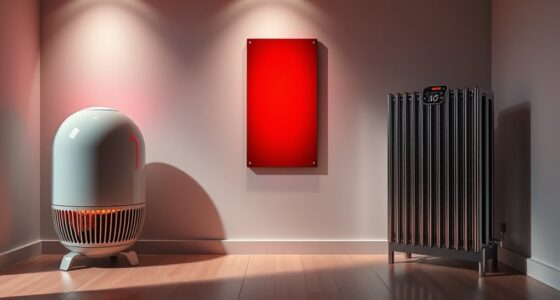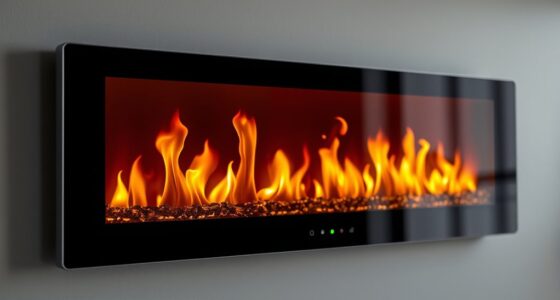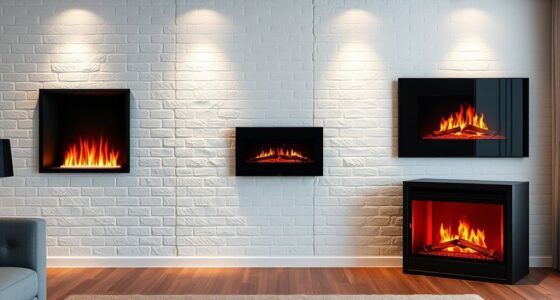
Electric fireplaces are very energy efficient because they convert almost all of the electricity they use directly into heat, with minimal energy loss. Unlike traditional fireplaces, they don’t waste heat through vents or chimneys, making them a cost-effective choice for heating small or medium rooms. Their quick setup and adjustable features help you maximize comfort and savings. Want to discover more about how these fireplaces can benefit your home? Keep exploring for the details.
Key Takeaways
- Electric fireplaces convert nearly all electricity into heat, minimizing energy loss and increasing efficiency.
- They don’t require venting or chimneys, reducing energy waste and safety concerns.
- Modern models feature energy-saving modes and programmable timers for optimized energy use.
- Installation is simple and cost-effective, often needing only a standard electrical outlet.
- Ideal for heating specific rooms efficiently, avoiding energy loss associated with traditional fireplaces.
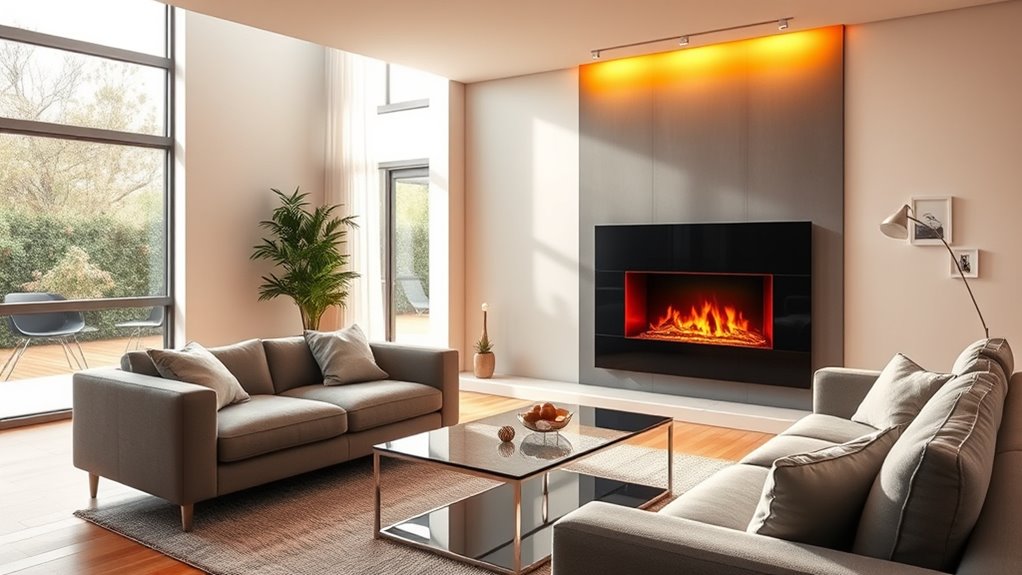
Are electric fireplaces truly energy-efficient options for heating your home? This question often comes up when you’re considering upgrading your heating system or adding a cozy focal point to your living space. The good news is that electric fireplaces use electricity to generate heat, making them a more efficient alternative to traditional wood or gas fireplaces. Unlike those, they don’t lose heat through chimney flues or vents, so nearly all the energy they consume turns into warmth. This high efficiency can lead to lower energy bills, especially if you use the fireplace to heat small or medium-sized rooms rather than the entire house. When comparing costs, you’ll find that electric fireplaces generally have a lower upfront investment and fewer ongoing expenses. They don’t require expensive venting or fuel deliveries, which can add up over time. Additionally, many models come with adjustable thermostats and variable flame settings, giving you more control over energy use and comfort.
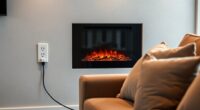
If you’re concerned about the overall cost comparison, keep in mind that electric fireplaces save money in installation as well. Installation tips are straightforward compared to traditional fireplaces. You usually only need a standard electrical outlet, which means you can often set up your new fireplace yourself or with minimal professional help. This simplicity cuts down on installation costs and time. Make sure to check your electrical system’s capacity before installation to prevent overloads. When choosing a location, consider an area near an outlet to avoid lengthy extension cords, which can be a safety hazard and reduce efficiency. Also, ensure the space is well-insulated so that heat doesn’t escape unnecessarily, making your electric fireplace work more efficiently. Moreover, understanding the digital literacy aspects involved in modern appliances can help you maximize energy savings and safety features.
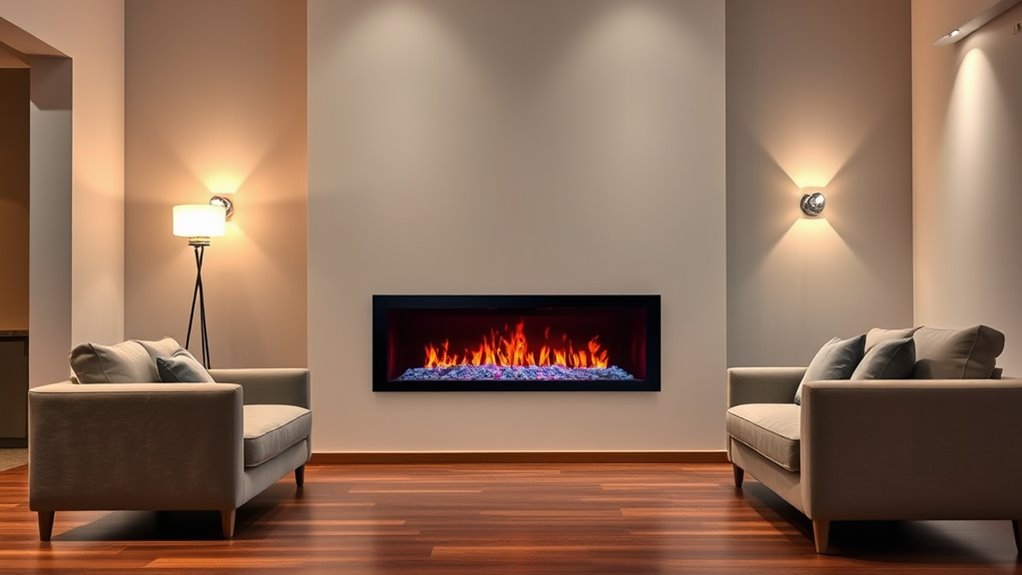
Furthermore, electric fireplaces are incredibly versatile. They can be installed almost anywhere in your home—living rooms, bedrooms, or even in apartments where traditional fireplaces aren’t an option. Because they don’t produce emissions or require ventilation, you won’t need to worry about exhausting fumes or carbon monoxide risks, which can sometimes increase the overall costs and safety concerns with other heating methods. Regarding energy efficiency, modern electric fireplaces often come equipped with features like energy-saving modes and programmable timers, helping you optimize usage and reduce waste. Overall, if you’re seeking an efficient, cost-effective heating solution with easy installation tips, electric fireplaces stand out as a smart choice that combines convenience, safety, and savings in your home.
Frequently Asked Questions
Do Electric Fireplaces Produce Any Real Heat?
Yes, electric fireplaces do produce real heat. Their heat output varies depending on the model, but many offer adjustable settings to control warmth. While their flame realism enhances visual appeal, it doesn’t generate heat. You can enjoy a cozy atmosphere and efficient heating simultaneously, making electric fireplaces a practical choice for supplemental warmth and beautiful flame effects without the need for venting or gas hookups.
How Much Do Electric Fireplaces Cost to Operate Monthly?
Electric fireplaces typically cost between $10 to $30 per month to operate, depending on usage and energy consumption. You’ll find that their cost comparison to traditional fireplaces is favorable, as they use less energy and don’t require venting or fuel. By controlling heat output and using energy-efficient settings, you can keep your monthly expenses low while enjoying the ambiance. This makes electric fireplaces an economical and convenient choice for your home.
Are Electric Fireplaces Safe for Children and Pets?
Electric fireplaces are generally safe for children and pets when you take proper precautions. Child safety is enhanced by using models with safety screens and keeping the unit out of reach. For pet protection, choose fireplaces with cool-to-touch surfaces and avoid placing combustible items nearby. Always supervise children and pets around any heating device, and follow the manufacturer’s safety guidelines to guarantee a secure environment.
Can Electric Fireplaces Be Used Outdoors?
Using electric fireplaces outdoors is like adding a cozy blanket to your patio—they’re perfect for outdoor heating. You can definitely use them outside, but look for models with weather resistance to handle the elements. Make sure they’re rated for outdoor use to guarantee safety and durability. With the right weather-resistant features, electric fireplaces can create a warm, inviting atmosphere in any outdoor space, regardless of the weather.
Do Electric Fireplaces Require Professional Installation?
You don’t need a professional to install an electric fireplace, but guaranteeing proper installation safety is essential. You should follow the manufacturer’s instructions carefully and check for any venting requirements, even if minimal. Proper placement and secure connections help prevent hazards and maximize efficiency. While DIY installation is possible, consulting a professional can ensure all safety standards are met, especially if your setup involves electrical work or specific venting considerations.
Conclusion
In summary, electric fireplaces are highly energy efficient, especially when used to heat small spaces or as supplemental warmth. For example, imagine a family using an electric fireplace in their living room during winter; they save on energy costs compared to running a central heater. By focusing heat where it’s needed most, you not only stay cozy but also reduce your energy bills. So, if efficiency matters, an electric fireplace could be a smart, eco-friendly choice.