Electric fireplaces generally don’t dry out the air in a room when you use them properly. They produce heat without emitting smoke or fumes, so they don’t substantially affect humidity levels. Good air circulation and humidity control, like using humidifiers or placing water near heat sources, help keep moisture balanced. If you want to learn more about maintaining a comfortable indoor environment with an electric fireplace, keep exploring the options available to you.
Key Takeaways
- Electric fireplaces generally do not significantly reduce indoor humidity levels.
- They generate heat without producing smoke or fumes, so they don’t dry the air directly.
- Proper air circulation and humidity control help prevent dryness when using electric fireplaces.
- Using humidifiers or water bowls near heat sources can maintain comfortable moisture levels.
- Maintaining good ventilation and monitoring humidity ensures the air remains balanced during fireplace use.
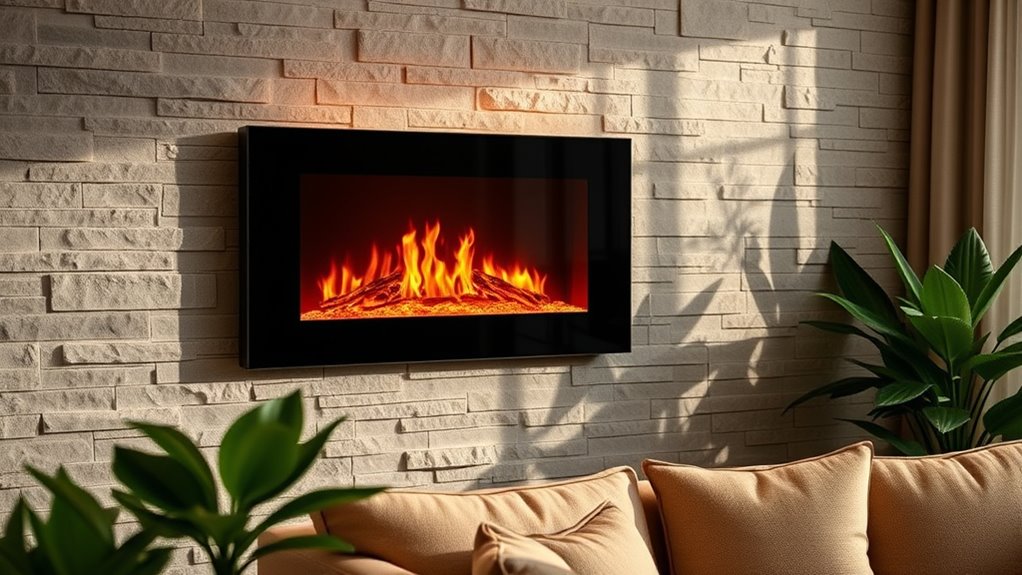
Electric fireplaces are popular for their convenience and ambiance, but many people wonder if they dry out the air in their homes. The concern is understandable because heating systems, in general, can impact indoor humidity levels. When you turn on an electric fireplace, it emits warmth without producing smoke or fumes, which makes it a cleaner alternative to traditional fires. However, some worry that the heat generated might reduce the moisture in the air, leading to dry skin, irritated sinuses, or static electricity. The truth is, electric fireplaces typically do not markedly affect the overall humidity in your room, especially if your home maintains good air circulation and humidity control.
Air circulation plays a key role in preventing the air from becoming too dry. When air moves freely throughout your space, it helps distribute moisture evenly and prevents localized dry spots. Many electric fireplaces are designed with vents or fans that promote air circulation, ensuring that heat disperses uniformly without creating stagnant, overly dry air pockets. If you notice the air feeling drier when your fireplace is on, you can improve air circulation by opening a window slightly or using a fan. This helps maintain a balanced environment and reduces the likelihood of the air becoming uncomfortably dry.
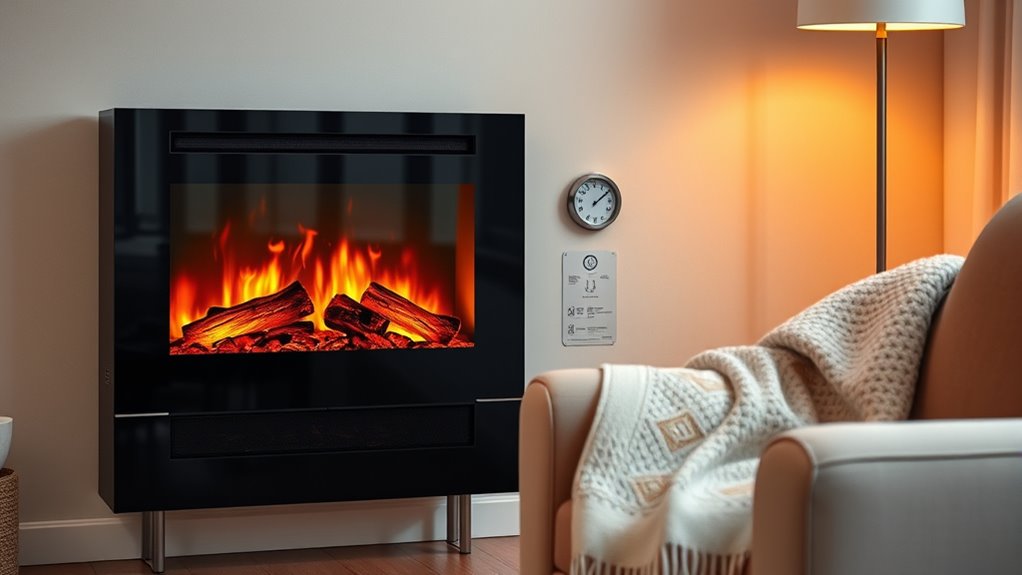
Humidity control is another critical factor. If your home already has low humidity levels, running an electric fireplace may contribute to further dryness, especially in winter months when indoor air tends to be drier naturally. To counteract this, many homeowners use humidifiers or place bowls of water near heat sources to add moisture back into the air. If your aim is to keep humidity levels steady, controlling the environment with these tools can make a noticeable difference. Regularly monitoring indoor humidity with a hygrometer helps you keep it within a comfortable range of 30-50%. When you actively manage humidity, you prevent the air from becoming too dry, even with the fireplace running.

EUHOMY 50 Inch Electric Fireplace Wall Recessed and Wall Mounted with Adjustable Flame Color, Fireplace Heater with Remote Control, Linear Fireplace with Timer, Touch Screen, Log & Crystal, 750/1500W
Package Inclusions & 2-Year Technical Support: : The EUHOMY electric fireplace is equipped with 1* carbon log, 1*...
As an affiliate, we earn on qualifying purchases.
Frequently Asked Questions
Can Electric Fireplaces Cause Allergies or Respiratory Issues?
Electric fireplaces generally don’t cause allergies or respiratory issues directly, but they can impact your air quality. If they produce dust or pollen, these particles can aggravate allergies. Additionally, if your electric fireplace emits fumes or odors from poor maintenance, it could affect your respiratory health. To keep your air quality safe, regularly clean the unit and guarantee proper ventilation, especially if you or others in your home have respiratory sensitivities.
Do Electric Fireplaces Produce Any Emissions or Pollutants?
Electric fireplaces don’t produce any emissions or pollutants, so they don’t impact air quality like traditional wood or gas fireplaces. You won’t need to worry about emission concerns since they operate with electricity, which is cleaner. This means you can enjoy the cozy ambiance without affecting your indoor air quality. They’re a safe, eco-friendly alternative that keeps your space comfortable without introducing harmful pollutants.
Are There Specific Room Sizes Where Electric Fireplaces Are More Effective?
Surprisingly, electric fireplaces are most efficient in small to medium rooms where their heating efficiency shines. Larger spaces tend to leave you cold, as their warmth doesn’t spread as effectively. So, if you’re aiming for cozy comfort, pick a room size that matches the fireplace’s capacity. Don’t expect a massive room to heat up quickly—these units excel where you need targeted warmth, not whole-house heating.
How Do Electric Fireplaces Compare to Traditional Wood-Burning Fireplaces?
Electric fireplaces offer modern fireplace aesthetics without the need for complex installation requirements like chimneys or venting, unlike traditional wood-burning ones. They’re cleaner, easier to operate, and don’t produce smoke or ash. While they may lack the authentic crackling sound of wood fires, electric fireplaces provide consistent warmth and ambiance, making them a convenient and stylish alternative for your home. Plus, they don’t dry out the air as much as traditional fireplaces.
Is It Safe to Leave an Electric Fireplace on Overnight?
Leaving your electric fireplace on overnight is generally safe if you follow basic fire safety tips. It won’t dry out the air like a traditional fire might, but keep an eye on moisture levels in your room. Turn it off when you’re not around, and make sure it’s properly maintained. Think of it as a gentle, warming ember—best enjoyed with mindfulness, not left burning like a midnight campfire.
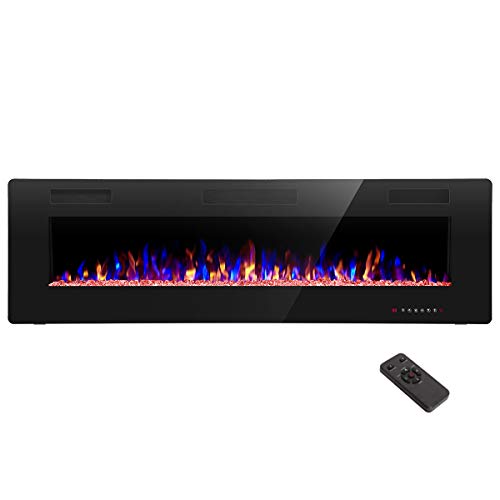
R.W.FLAME 60" Recessed and Wall Mounted Electric Fireplace, Low Noise, Fit for 2 x 6 Stud, Remote Control with Timer, Touch Screen, Adjustable Flame Color and Speed, 750-1500W
Attractive and Practical Design: 3.86"D x 60"W x 18.11"H,The thickness of the new style is only 3.86 inches...
As an affiliate, we earn on qualifying purchases.
Conclusion
So, rest assured, electric fireplaces don’t dehydrate your air or drain your room’s moisture. They simply simulate a warm, welcoming glow without sucking away your space’s humidity. While they add ambiance and warmth, they don’t cause chaos or dryness in your environment. In short, these fireplaces are safe, stylish, and still stay soft on your space’s moisture. Keep cozy without concern; your air remains comfortably controlled and completely cared for.

Westinghouse 60 Inch Electric Fireplace Heater, Compatible with Alexa & Google Home, Wall Mount or in-Wall Recessed Fireplace Insert, 24 Hour Timer, Color Changing Flames, 750W/1500W Indoor Heater
CUSTOMIZE APPEARANCE: Up to 144 total color combinations for flames and embers, 5 independent brightness levels, and 5...
As an affiliate, we earn on qualifying purchases.

Touchstone Smart Electric Fireplace-The Sideline 50" Wide-in Wall Recessed - 30 Realistic Ember Color/Flame Options - 1,500W Heater w/Thermostat - Log & Crystal Hearth Options - Alexa/WiFi Enabled
APPEARANCE: The Sideline electric fireplace is designed for recessed in-wall mounting. Creating a cozy atmosphere of a traditional...
As an affiliate, we earn on qualifying purchases.