TL;DR

Get home appliances delivered free with Prime
- Fast, free delivery on millions of items
- Prime Video, Amazon Music and more included
- Member-only deals all year
An Ideal Home report gathers heating experts’ advice on radiator problems that may leave rooms colder, including dust, trapped air and furniture blocking heat. The report also discusses uneven radiator temperatures and thermostat use; it does not establish that every home’s heating problem has the same cause.
Ideal Home has published advice from heating and home-service experts on radiator problems that can leave rooms feeling cold, including dust buildup, trapped air and furniture blocking heat. The report says routine checks before the colder months may help identify issues, but does not establish that every inefficient heating system has the same cause or that these steps will fix poor insulation or draughts.
Dust and debris are one suggested place to start. Martin Garbutt, head of technical governance at home services platform Ding, told Ideal Home that dust can affect room air quality and may reduce a radiator’s efficiency by up to 10%. That figure is Garbutt’s estimate as reported by Ideal Home; the supplied material does not give a measurement method or conditions for the estimate.
Garbutt recommends switching a radiator off and letting it cool before cleaning. He suggests using a vacuum’s narrow nozzle or a hairdryer to remove dust from the fins, with a towel underneath to catch debris. For a deeper clean, he recommends warm water with a small amount of dish soap or white vinegar, a microfiber cloth for the exterior and a long-handled brush for hard-to-reach areas.
Trapped air can also stop hot water circulating properly. Ian Palmer-Smith, a service delivery director and appliance repair expert at Domestic & General, told Ideal Home that a radiator that is cold at the top and warm at the bottom may need bleeding. Gurgling or banging noises can also be signs, he said, and he recommends bleeding radiators at least once a year as standard maintenance. If problems continue afterwards, Ant Langston of HeatandPlumb.com said uneven warmth may be related to system balance and the lockshield valve. Adjustments can affect the flow through the heating system, so householders unsure how to make them should seek qualified help.
Why Radiator Checks Matter
When rooms remain cold despite the heating being on, the cause may not be a single fault. The report draws attention to maintenance and airflow that residents can inspect, while also noting that poor insulation and draughts can contribute to a chilly home. Finding a radiator-specific issue may improve heat distribution, but cleaning or bleeding cannot correct every underlying problem.
The practical value is in checking symptoms before turning the heating up or assuming a boiler is failing. Blocked radiators, trapped air and uneven heat are distinct issues, and the advice offers different signs for each. A room that stays cold may still need a professional assessment, particularly if routine checks do not resolve the problem.
Garbutt also warns that large furniture can trap heat and limit circulation through a room. Clearing the space around a radiator is a relatively simple check, though the report gives no quantified estimate of how much this changes room temperature or energy use.
Products Worth Considering

Levoit Vital 100S-P Air Purifier with Washable Pre-Filter

Philips Hue Festavia Globe Outdoor String Lights, 32 Bulbs, 91 ft

Bose TV Speaker (2nd Gen) Compact Soundbar with Bluetooth and HDMI-ARC, Black
As an affiliate, we earn on qualifying purchases.
Common Causes of Uneven Heating
The Ideal Home report is framed around a homeowner’s experience of a draughty, poorly insulated older house that remains cold even when its central heating is running. The author asked experts whether radiator use or maintenance could be contributing. That account is an individual example, not evidence that radiators are responsible for cold homes generally.
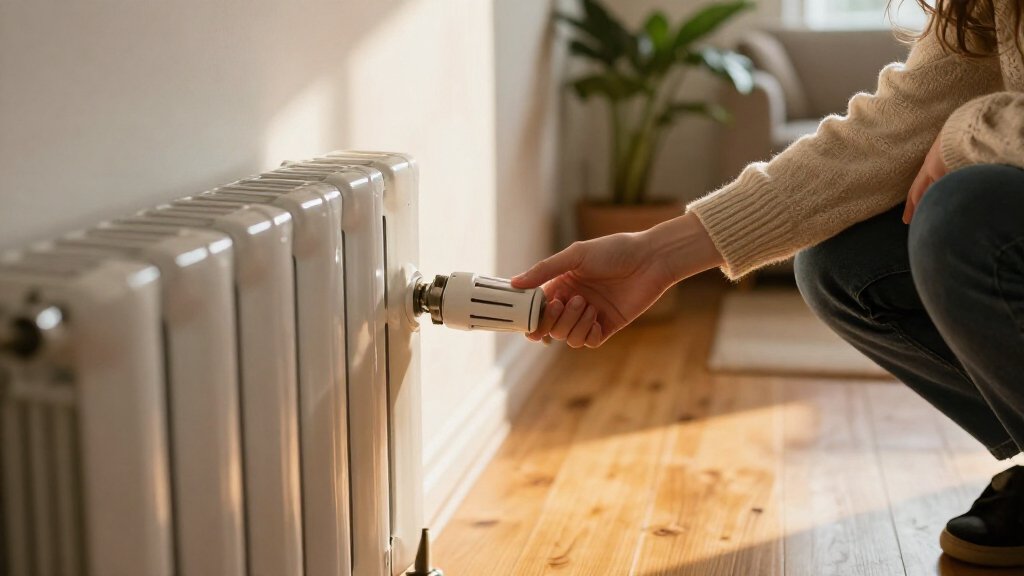
The experts distinguish between several possible issues: dust accumulation, air trapped inside a radiator, uneven flow between radiators, and physical obstructions such as furniture, shelves or hanging coats. The article also raises thermostat use, including thermostatic radiator valves and a wireless thermostat, but the supplied source text ends before providing the expert advice or any conclusion on that point.
“If your radiator feels cold at the top and hot at the bottom, this means there is trapped air inside of it that is preventing hot water from circulating.”
— Ian Palmer-Smith, service delivery director at Domestic & General, as quoted by Ideal Home
What the Report Does Not Establish
The cause of any particular cold room remains uncertain without an inspection of its heating system, insulation, draughts and controls. The report offers expert guidance on possible causes, not a diagnosis of the author’s home or readers’ homes. Garbutt’s efficiency estimate is reported without its underlying method, and the material does not quantify the likely effect of furniture placement.
The supplied report text cuts off during its discussion of thermostat use. It therefore does not include the full explanation of how the author’s thermostat should be set or whether changing its settings would improve heating. It also gives no information about the condition, age or design of the heating systems discussed.
Checks Before Heating Season
The report’s practical sequence is to clean radiators while they are switched off and cool, look for signs of trapped air, and move furniture or other obstructions away from them. If a radiator remains unevenly warm after bleeding, the article points to system balancing as a possibility, but does not provide a full step-by-step procedure for adjusting a lockshield valve.
Householders should monitor whether the problem persists and contact a qualified heating professional when they cannot identify the cause, when adjustments are beyond their experience, or when the heating system continues to perform poorly. The supplied material does not announce a formal follow-up or further reporting; the next step for an individual home depends on its symptoms and the condition of its system.
Key Questions
How can I tell if a radiator may need bleeding?
A radiator that is cold at the top but warm at the bottom may have trapped air, according to Ian Palmer-Smith, as quoted by Ideal Home. Gurgling or banging noises can also be signs. These symptoms are indicators, not a guarantee of the cause.
How often does the report recommend bleeding radiators?
Palmer-Smith recommends bleeding radiators at least once a year as part of standard maintenance. Follow the instructions for your heating system and seek professional advice if you are unsure how to do it safely.
Can dust really affect radiator performance?
Garbutt told Ideal Home that dust may reduce a radiator’s efficiency by up to 10%. The source material does not provide the method behind that estimate, so it should be understood as an attributed expert claim rather than a measured result for every radiator.
What if one radiator stays cooler after bleeding?
Ant Langston said uneven warmth may point to a balancing issue or lockshield valve adjustment after bleeding and checking the other valve settings. If the problem continues, a qualified heating professional can assess the system rather than relying on trial-and-error adjustments.
Source: idealhome.co.uk