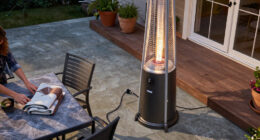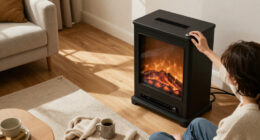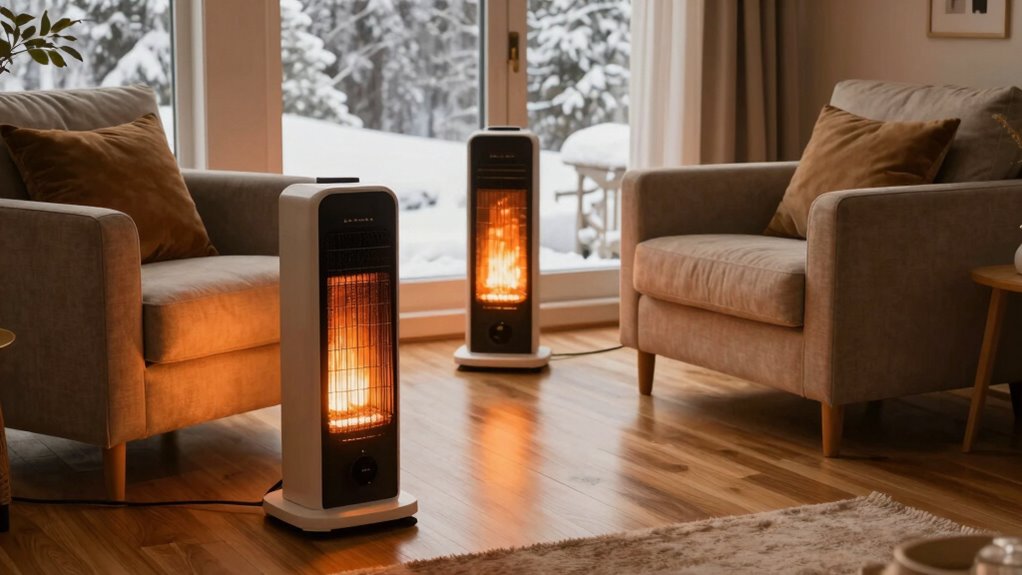

Before using electric heat daily, make sure your home is well-insulated to prevent heat loss and keep your system efficient. Optimize thermostat settings and use programmable timers to run heat only when needed, especially during off-peak hours. Regular maintenance helps keep your system running smoothly. Understanding your utility rates and adjusting your schedule can save you money. To get the most out of your electric heating, find out more about best practices for energy efficiency and cost savings.

Get home appliances delivered free with Prime
- Fast, free delivery on millions of items
- Prime Video, Amazon Music and more included
- Member-only deals all year
Key Takeaways
- Ensure your home is well-insulated to maximize energy efficiency and reduce heating costs.
- Use programmable thermostats to schedule heating times and avoid unnecessary energy consumption.
- Be aware of your utility’s time-of-use rates to shift heating to off-peak hours for savings.
- Regularly maintain your electric heating system for optimal performance and longevity.
- Adjust thermostat settings appropriately to balance comfort and energy savings daily.
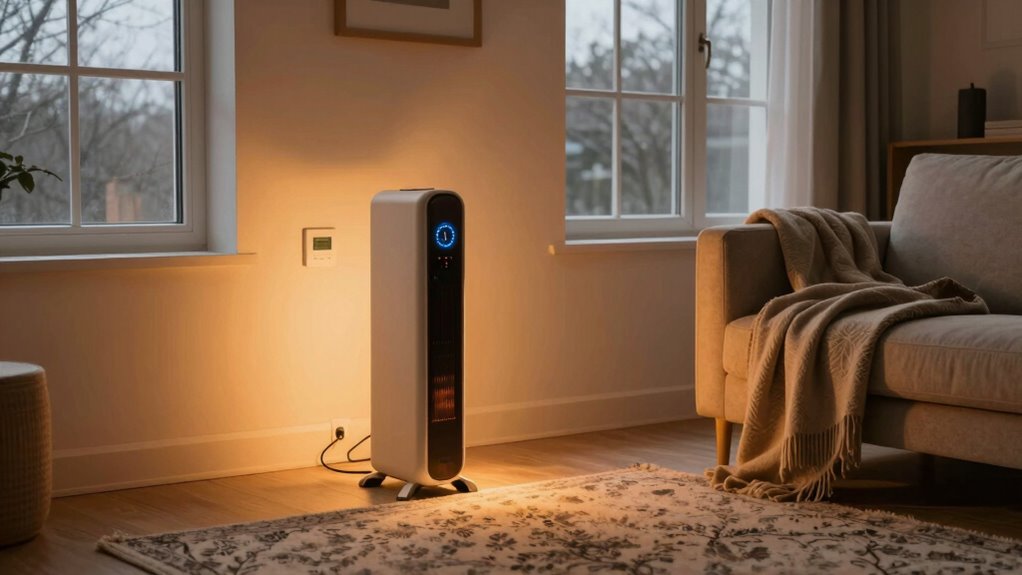
Are you contemplating switching to electric heat for your home? If so, it’s important to understand how it impacts your energy efficiency and cost management. Electric heating systems, like baseboard heaters or heat pumps, are known for being efficient because they convert electricity directly into heat with minimal energy loss. This means you can enjoy a cozy home without wasting energy, which is a key benefit if you’re looking to reduce your carbon footprint and lower utility bills. However, to truly maximize these advantages, you need to be strategic about how you use your electric heating system.
Electric heating systems efficiently convert electricity into heat, reducing energy waste and lowering utility bills.
First, consider the energy efficiency of your setup. Modern electric heat systems, especially heat pumps, are designed to operate efficiently even in colder climates. They work by extracting heat from the outside air and transferring it indoors, which can substantially reduce energy consumption compared to traditional electric resistance heaters. When you use these systems daily, it’s essential to keep your home well-insulated. Proper insulation ensures that heat stays inside, so your system doesn’t have to work overtime to maintain a comfortable temperature. This not only enhances energy efficiency but also helps you manage costs more effectively.
You should also be mindful of your thermostat settings. Setting your thermostat a few degrees lower in winter and using programmable timers can make a notable difference in your energy use. When your system runs only when needed, you prevent unnecessary energy consumption, which directly impacts your cost management. Keep in mind that electric heat can be more expensive during peak hours if your utility company has time-of-use rates. Adjusting your heating schedule to off-peak times can help you save money. Additionally, understanding electric heat efficiency can help you optimize your system’s performance and savings. Regularly reviewing your energy consumption and adjusting your settings accordingly can further enhance cost savings. Maintaining proper system maintenance** ensures your heater operates smoothly and efficiently, reducing unnecessary expenses. Moreover, being aware of energy-saving strategies** can help you get the most out of your electric heating system while keeping costs down.
programmable thermostat for electric heating
As an affiliate, we earn on qualifying purchases.
As an affiliate, we earn on qualifying purchases.
Frequently Asked Questions
How Does Electric Heat Impact Overall Electricity Bills Long-Term?
Electric heat can increase your overall electricity bills long-term, especially if it’s not energy-efficient. However, choosing energy-efficient models and implementing smart controls can reduce costs. Conducting a cost comparison between electric heating and other options like gas or heat pumps helps you understand potential savings. While electric heating might be affordable upfront, ongoing energy costs could add up, so it’s essential to take into account efficiency and your local electricity rates.
Are There Specific Electric Heat Systems Better Suited for Certain Climates?
Imagine a cozy home warmed efficiently; that’s what certain electric heat systems offer. If you live in a mild climate, a heat pump works wonders, pulling warmth from outside air even in cooler months. For colder regions, radiant panels provide direct, consistent heat. You’ll want to choose based on your climate’s demands—heat pumps excel in moderate temperatures, while radiant panels suit harsher winters, ensuring your home stays warm and inviting year-round.
What Safety Precautions Should I Take With Electric Heating Units?
You should always set your thermostat to a safe and comfortable temperature to prevent overheating and reduce energy use. Keep cords away from high-traffic areas and water to avoid tripping hazards and electrical shocks. Regularly inspect cords for damage, and never overload outlets. These precautions help guarantee safe operation of your electric heating units, keeping your home warm without risking safety.
Can Electric Heat Be Integrated With Solar Power Systems?
Yes, electric heat can be integrated with solar power systems through solar integration, allowing you to use sunlight to generate electricity for your heating needs. To maximize efficiency, consider pairing your system with energy storage solutions, like batteries, so you can store excess solar energy for later use. This setup reduces reliance on the grid, cuts costs, and guarantees a consistent heat source even when the sun isn’t shining.
How Often Should Electric Heating Systems Be Maintained or Serviced?
You should service your electric heating system at least once a year to guarantee peak performance and safety. Follow maintenance schedules recommended by the manufacturer, including inspecting wiring, cleaning filters, and testing controls. Regular servicing tips involve checking for signs of wear, ensuring vents are clear, and scheduling professional inspections. Doing this helps prevent breakdowns, extends the lifespan of your system, and keeps your home comfortably warm throughout the season.
home insulation for energy efficiency
As an affiliate, we earn on qualifying purchases.
As an affiliate, we earn on qualifying purchases.
Conclusion
Now that you’re aware of the benefits and potential pitfalls, picture yourself cozy and warm, but always mindful of that silent threat lurking behind the comfort. Will you stay vigilant and maintain your system, or let small issues grow into costly problems? The choice is yours—stay informed, stay prepared. As the cold months approach, your next decision could be the difference between effortless warmth and unexpected trouble. Are you ready to face what’s coming?
electric baseboard heater maintenance kit
As an affiliate, we earn on qualifying purchases.
As an affiliate, we earn on qualifying purchases.
As an affiliate, we earn on qualifying purchases.
NFL season / tailgating Picks
team gear
As an affiliate, we earn on qualifying purchases.