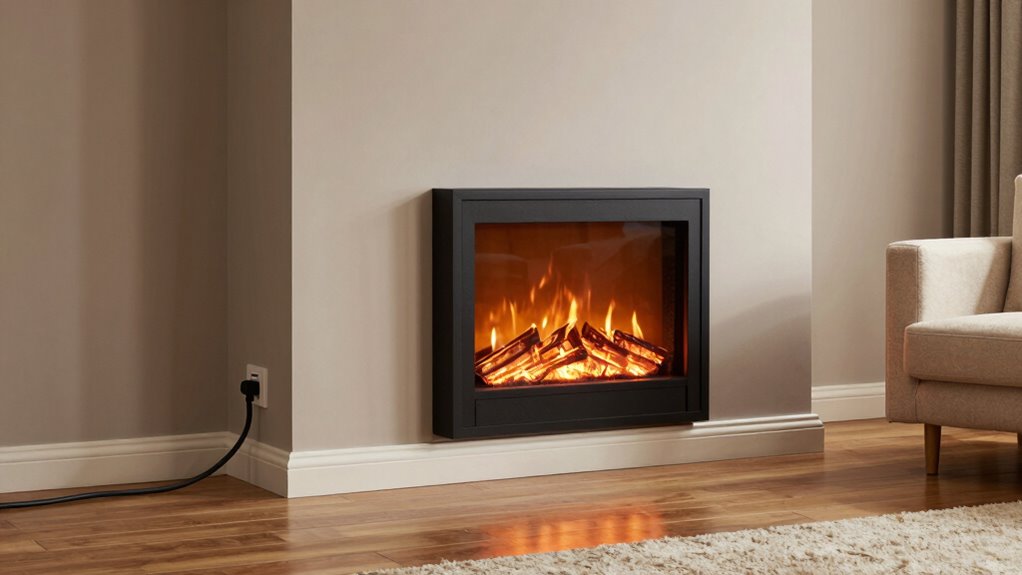

If you’re choosing between hardwiring and plugging in your electric fireplace, consider safety, appearance, and installation needs. Plug-in units are easy to install and ideal for temporary setups, while hardwiring offers a cleaner look and a secure connection for permanent installations. Hardwiring is safer when done correctly by a professional, but it requires knowledge of electrical codes. Want to find out which option best suits your situation? Keep exploring for more helpful tips.

Get home appliances delivered free with Prime
- Fast, free delivery on millions of items
- Prime Video, Amazon Music and more included
- Member-only deals all year
Key Takeaways
- Plug-in units are easier to install and ideal for temporary setups, while hardwiring offers a cleaner look for permanent installations.
- Hardwiring requires professional installation to ensure safety, code compliance, and reduced fire hazards.
- Plug-in fireplaces provide flexibility and easy removal, suitable for spaces with limited electrical access.
- Hardwiring minimizes visible cords and tripping hazards, offering a more seamless, integrated appearance.
- Always consult local electrical codes and professionals to determine the safest, most compliant installation method.
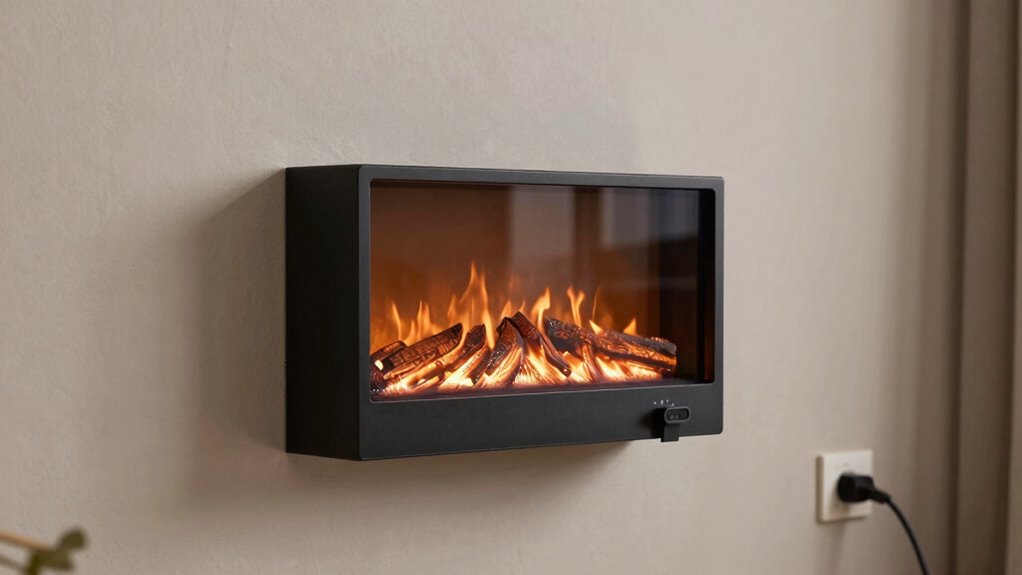
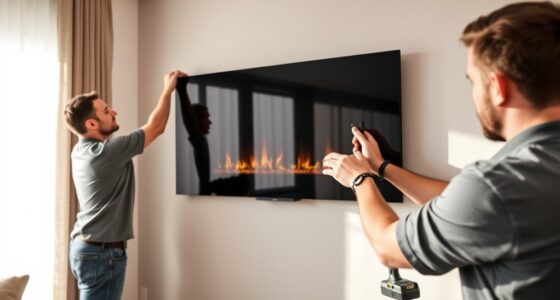
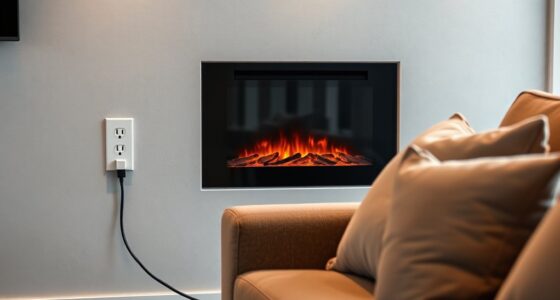
Are you unsure whether to hardwire or plug in your electric fireplace? Making this decision depends on several factors, especially safety considerations and installation complexity. If you’re leaning toward convenience, plugging in might seem simpler, but if you want a more integrated look and potentially safer setup, hardwiring could be the better choice. Your decision should be guided by understanding these aspects clearly. Safety considerations are essential when choosing between hardwiring and plugging in your electric fireplace. A plug-in unit is generally designed for easy, temporary use and usually comes with a standard power cord and outlet. However, if you’re installing the fireplace in a location where the cord might pose a tripping hazard or where it’s difficult to hide, hardwiring can offer a cleaner, safer solution. Hardwiring eliminates the need for visible cords, reducing the risk of accidental damage or electrical hazards. It also guarantees the unit is securely connected to the electrical system, minimizing potential fire risks caused by loose or damaged plugs. If your fireplace is intended for permanent installation, consulting local electrical codes and possibly hiring a professional electrician is essential to guarantee safety standards are met. Additionally, understanding electrical safety standards can help you make an informed decision. When considering installation complexity, plugging in your electric fireplace is straightforward. Most units come with a standard plug that fits into a regular wall outlet, making it a DIY-friendly task. You won’t need a specialist or special tools—simply position the fireplace, plug it in, and you’re ready to enjoy the ambiance. Conversely, hardwiring a fireplace involves more steps. It requires running dedicated wiring from your electrical panel to the location of the fireplace, often involving circuit breakers and junction boxes. This process can be complex, especially if you’re unfamiliar with electrical work, and may require hiring a licensed electrician. Proper installation is essential to prevent electrical problems, ensure compliance with local codes, and avoid voiding warranties. Proper wiring techniques are crucial for ensuring safety and efficiency in your setup. Additionally, understanding the installation process can help ensure your setup is both safe and compliant with regulations. Being aware of installation standards can also aid in avoiding future complications or safety hazards. Furthermore, seeking guidance from reputable sources on electrical wiring safety can provide additional reassurance during installation.
Products Worth Considering

Roborock Q7 M5+ Robot Vacuum and Mop with Self-Emptying Dock

Philips Hue Iris Smart LED Table Lamp, White

eufy C28 Robot Vacuum and Mop for Pet Hair, 15,000 Pa
As an affiliate, we earn on qualifying purchases.
Frequently Asked Questions
What Are the Safety Differences Between Hardwiring and Plugging In?
Hardwiring your electric fireplace generally offers better fire safety because it connects directly to your electrical system, reducing risk of loose connections or damage. Plugging in might be convenient, but it can create safety issues if cords are frayed or improperly rated. Both methods must meet electrical standards, but hardwiring guarantees a safer, more secure installation, especially for continuous use. Always follow electrical codes for maximum fire safety.
Can I Upgrade From a Plug-In to a Hardwired Electric Fireplace Later?
Upgrading from a plug-in to a hardwired electric fireplace is like transforming a cozy candle into a blazing fireplace—you can do it, but it takes some work. You’ll need to take into account your fireplace aesthetics and energy efficiency, as hardwired units often look cleaner and run more efficiently. Consult an electrician to guarantee proper wiring and safety, and you’ll enjoy a seamless upgrade that elevates your space.
How Does Installation Time Compare for Hardwired Versus Plug-In Models?
Hardwired electric fireplaces generally take longer to install than plug-in models because they require wiring into your home’s electrical system, which can involve additional labor and potential modifications. While plug-in fireplaces are quicker and easier to set up, hardwired options often offer cleaner aesthetics with fewer visible cords. The cost comparison leans toward plug-ins for simplicity, but hardwired units may provide a sleeker look and more permanent installation.
Are There Specific Building Codes for Hardwired Electric Fireplaces?
Yes, there are specific building codes for hardwired electric fireplaces. You need to follow local electrical codes to guarantee safety and compliance, especially since hardwired units often offer more decorative options and energy efficiency. These codes typically require professional installation, proper wiring, and adherence to safety standards. Ignoring them can lead to hazards or issues with insurance coverage, so always check your local regulations before proceeding.
What Maintenance Is Required for Hardwired vs. Plug-In Fireplaces?
You need to regularly clean and inspect your electric fireplace, whether hardwired or plug-in, to maintain performance and safety. Hardwired units might require professional checks for wiring and connections, guaranteeing energy efficiency and safety. Plug-in fireplaces are simpler to maintain, with easy plug-and-play setup. Both options allow aesthetic customization, but proper upkeep ensures you enjoy efficient heating and visual appeal without hazards.
Conclusion
Ultimately, choosing between hardwiring or plugging in your electric fireplace depends on your home’s electrical setup and your aesthetic preferences. While plugging in is quick and convenient, hardwiring offers a seamless, built-in look that elevates your space to a level of elegance rivaling a palace. Whichever route you take, make certain you follow safety codes to keep your cozy haven both beautiful and secure. Remember, the right choice transforms your home into a sanctuary more radiant than the sun itself.