
TL;DR

Get home appliances delivered free with Prime
- Fast, free delivery on millions of items
- Prime Video, Amazon Music and more included
- Member-only deals all year
Many solar panel owners wonder if they should wash their panels. Experts say cleaning can improve efficiency but is often unnecessary unless panels are visibly dirty. The decision depends on local conditions and panel placement.
Experts agree that washing solar panels is generally not necessary for most homeowners, but in specific conditions, cleaning can boost energy output. This guidance aims to help owners decide whether to undertake cleaning based on panel conditions and local environment.
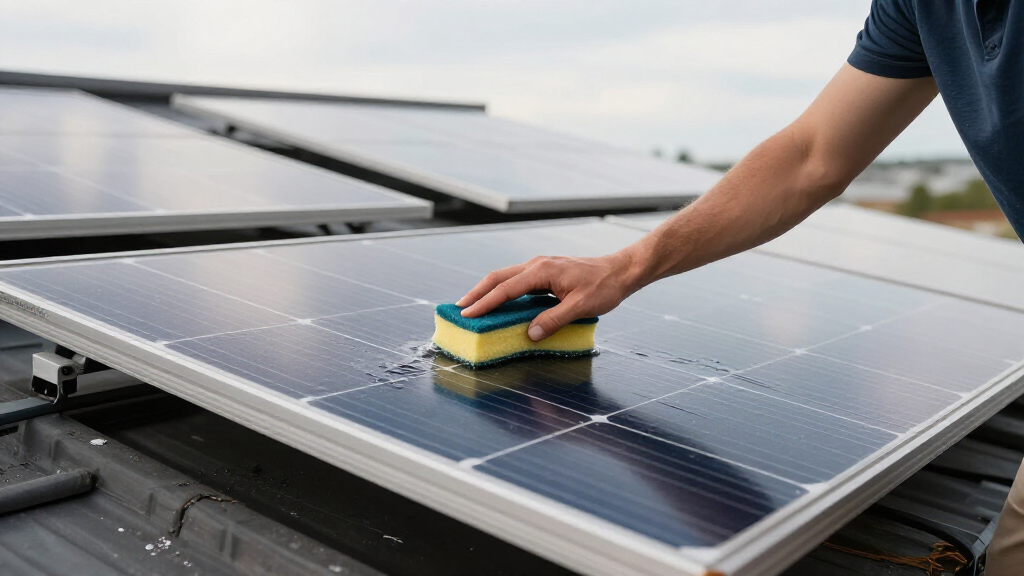
Studies and industry sources indicate that solar panels naturally shed dust and debris over time, reducing the need for regular cleaning. However, panels heavily covered with dirt, bird droppings, or other buildup may experience reduced efficiency, prompting some owners to clean them. According to the Solar Energy Industries Association, routine washing is usually not required unless panels are visibly soiled. Experts emphasize that improper cleaning methods, such as using abrasive materials or high-pressure water, can damage panels and void warranties. Many manufacturers recommend gentle rinsing with water and soft brushes if cleaning is necessary. The cost and effort of cleaning should be weighed against potential gains in energy production, which are often marginal for clean panels.Why Panel Cleaning Decisions Impact Solar Efficiency and Costs
Understanding when and how to clean solar panels affects both the energy output and maintenance costs for owners. Proper care can maximize system efficiency, while unnecessary cleaning may lead to damage or expense. As solar adoption grows, clear guidance on maintenance practices becomes increasingly important for consumers and industry stakeholders.
Products Worth Considering

Shark Clean & Empty Cordless Stick Vacuum with Auto-Empty System, BU3521

eufy Security Video Doorbell E340 Kit with Chime, 2K Resolution and 8GB Local Storage

Philips Hue Starter Kit with Bridge Pro and 4 A19 E26 Smart Bulbs
As an affiliate, we earn on qualifying purchases.
Environmental Conditions and Panel Maintenance Practices
Solar panel efficiency can decline due to dirt, dust, pollen, bird droppings, and environmental pollutants. In dry, dusty regions, panels may require more frequent cleaning, while in humid or rainy areas, natural washing by weather can suffice. Industry guidelines suggest cleaning only when there is a noticeable decrease in performance or visible dirt. Historically, many manufacturers have advised against frequent washing, citing the risk of damage and the minimal benefits for most users. Recent studies indicate that in most cases, panels remain effective without regular cleaning, especially if installed at an angle that facilitates self-cleaning by rain.
“Cleaning solar panels can improve efficiency, but for most homeowners, routine washing isn’t necessary unless panels are visibly dirty or performance drops significantly.”
— Sarah Mitchell, Solar Industry Expert
Uncertainties About Optimal Cleaning Frequency and Methods
It is not yet clear how often homeowners should clean panels in different environments to maximize efficiency without risking damage. The effectiveness of various cleaning methods and their impact on warranties remains under discussion. Further research is needed to establish standardized guidelines tailored to specific climates and panel types.
Future Research and Industry Guidance on Solar Panel Maintenance
Researchers plan to conduct more detailed studies on cleaning frequency and techniques suitable for various environments. Industry groups may release updated maintenance guidelines, helping owners make informed decisions. Manufacturers might also refine their recommendations based on ongoing findings.
Key Questions
Does cleaning my solar panels increase their energy output?
Cleaning can improve efficiency if panels are heavily soiled, but in most cases, the increase is marginal. Regular cleaning is often unnecessary unless dirt significantly blocks sunlight.
What is the best way to clean solar panels safely?
Use gentle rinsing with water and a soft brush or sponge. Avoid abrasive materials, high-pressure water, or harsh chemicals that can damage the panels or void warranties.
How often should I clean my panels?
Only clean panels when they are visibly dirty or performance drops noticeably. In most environments, natural rain keeps panels sufficiently clean, reducing the need for manual washing.
Can cleaning damage my solar panels?
Yes, improper cleaning methods can cause scratches or other damage. Follow manufacturer guidelines and avoid aggressive cleaning techniques to protect your investment.
Is rain enough to keep my panels clean?
In many cases, rain helps remove dust and dirt, reducing the need for manual cleaning. However, in very dusty or polluted areas, additional cleaning may be beneficial if performance drops.
Source: hn