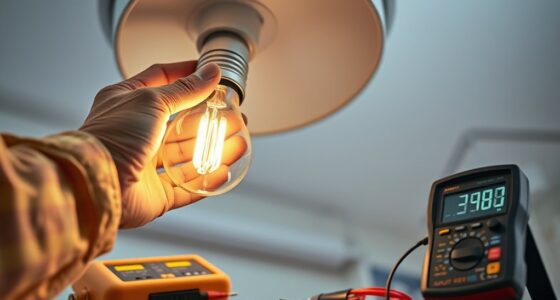

If your electric fireplace isn’t working properly, start by checking the remote control’s batteries, ensuring they’re fresh and properly installed, and that nothing blocks the sensor. For heating issues, clean dust from vents and verify the fan operates correctly, adjusting settings if needed. If problems persist, look for potential blockages or faulty components. For further tips and detailed troubleshooting steps, you’ll find more helpful information below to get your fireplace back in top shape.
Key Takeaways
- Check and replace batteries in the remote; ensure correct placement and no corrosion.
- Point the remote directly at the sensor, free of obstructions, and clean the sensor area.
- Inspect heating elements and vents for dust or debris; clean to ensure proper heat circulation.
- Verify the fan or blower operates correctly by listening for noise and checking for blockages.
- Confirm settings match room size, and perform regular maintenance to prevent dust buildup and ensure proper function.
Electric fireplaces can add warmth and ambiance to your home, but when they stop working correctly, it can be frustrating. One common issue many homeowners face is remote control problems. If your remote isn’t responding or the fireplace isn’t activating when you press the buttons, start by checking the batteries. Sometimes, a simple battery replacement is all it takes. Make sure the batteries are installed correctly and aren’t corroded. If the remote still doesn’t work, try pointing it directly at the sensor on the fireplace, ensuring there are no obstructions. Sometimes, dust or dirt on the sensor can interfere with the signal, so gently cleaning the sensor area can help. If these steps don’t resolve the problem, consider whether the remote itself might be faulty and try pairing it again or replacing it altogether.
Another common concern relates to uneven heat distribution. If your electric fireplace isn’t providing consistent warmth, there could be several causes. First, check the thermostat settings. Sometimes, the thermostat might be set too low or too high, affecting how the heat is dispersed. Adjust the thermostat gradually to see if the heat becomes more even. Next, inspect the heating element. Over time, dust or debris can accumulate on the element, causing hot spots or uneven heating. Turn off and unplug the unit before cleaning the heating element carefully with a soft brush or cloth. Additionally, ensure the vents and air pathways are clear of obstructions. Blocked vents can cause heat to concentrate in certain areas, leading to uneven distribution. Proper ventilation is essential for optimal performance.
If the heater has multiple heat settings, verify that you’re using the correct one for your space. Sometimes, a malfunctioning fan or blower can cause uneven heat circulation. Listen for unusual noises or vibrations that could indicate a fan problem. If you suspect a fan issue, it might require professional repair or replacement. Also, consider the size of your room; if it’s too large for the heater’s capacity, the heat might not circulate effectively, making the output feel uneven. In this case, supplemental heating or adjusting your expectations might be necessary.

EUHOMY 50 Inch Electric Fireplace Wall Recessed and Wall Mounted with Adjustable Flame Color, Fireplace Heater with Remote Control, Linear Fireplace with Timer, Touch Screen, Log & Crystal, 750/1500W
Package Inclusions & 2-Year Technical Support: : The EUHOMY electric fireplace is equipped with 1* carbon log, 1*...
As an affiliate, we earn on qualifying purchases.
Frequently Asked Questions
How Do I Reset My Electric Fireplace After a Power Outage?
To reset your electric fireplace after a power outage, start by unplugging it from the power source. Wait for about 30 seconds to perform a power cycle, then plug it back in. If it doesn’t turn on, locate the circuit reset switch or breaker and switch it off, wait a few seconds, then switch it back on to reset the circuit. This should restore your fireplace’s functionality.
Why Is My Electric Fireplace Making Unusual Noises?
Your electric fireplace making unusual noises might seem like it’s auditioning for a haunted house, but it’s usually just troubleshooting sounds. These strange fireplace noises often come from loose panels, debris inside the unit, or a fan struggling to work. Check for any obstructions, tighten loose parts, and clean dust from vents. If the sounds persist, you might need a professional to verify your cozy fireside remains peaceful, not spooky.
Can I Use My Electric Fireplace Outdoors?
You can use your electric fireplace outdoors if it’s designed for outdoor heating with weatherproof features. Look for models specifically rated for outdoor use, as they’re built to withstand moisture and weather conditions. Using an indoor electric fireplace outside can be unsafe and may damage the unit. Always check the manufacturer’s guidelines to guarantee outdoor compatibility and proper installation for safe, effective outdoor heating.
How Do I Replace the Remote Control Batteries?
Think of your remote control as the heartbeat of your fireplace connection. To replace the remote battery, open the battery compartment typically on the back, and swap out old batteries for fresh ones, ensuring correct polarity. For remote troubleshooting, check that the batteries are fresh and properly seated. This simple step keeps your remote alive and your fireplace ready to warm your space at a moment’s notice.
Is It Safe to Leave My Electric Fireplace on Overnight?
It’s generally safe to leave your electric fireplace on overnight if you follow safety tips and fire prevention measures. Always guarantee it’s properly maintained, keep flammable objects away, and use the built-in safety features like automatic shut-off if available. Regularly inspect the unit for any damage or malfunction. Staying vigilant helps prevent potential hazards, giving you peace of mind while enjoying the warmth and ambiance your electric fireplace provides all night.
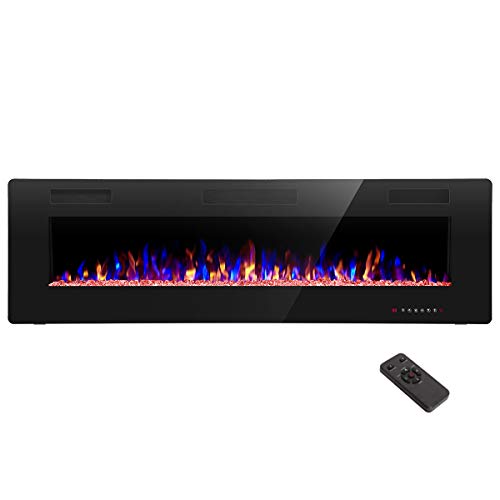
R.W.FLAME 60" Recessed and Wall Mounted Electric Fireplace, Low Noise, Fit for 2 x 6 Stud, Remote Control with Timer, Touch Screen, Adjustable Flame Color and Speed, 750-1500W
Attractive and Practical Design: 3.86"D x 60"W x 18.11"H,The thickness of the new style is only 3.86 inches...
As an affiliate, we earn on qualifying purchases.
Conclusion
Now that you’ve learned how to troubleshoot common electric fireplace issues, you’re better equipped to handle unexpected problems. But what if the next glitch isn’t so straightforward? Could there be a hidden problem lurking beneath the surface? Keep an eye on your fireplace’s performance, because sometimes, the most surprising issues only reveal themselves when you least expect it. Stay vigilant—your cozy fireside moments depend on it.

Westinghouse 60 Inch Electric Fireplace Heater, Compatible with Alexa & Google Home, Wall Mount or in-Wall Recessed Fireplace Insert, 24 Hour Timer, Color Changing Flames, 750W/1500W Indoor Heater
CUSTOMIZE APPEARANCE: Up to 144 total color combinations for flames and embers, 5 independent brightness levels, and 5...
As an affiliate, we earn on qualifying purchases.

Touchstone Smart Electric Fireplace-The Sideline 50" Wide-in Wall Recessed - 30 Realistic Ember Color/Flame Options - 1,500W Heater w/Thermostat - Log & Crystal Hearth Options - Alexa/WiFi Enabled
APPEARANCE: The Sideline electric fireplace is designed for recessed in-wall mounting. Creating a cozy atmosphere of a traditional...
As an affiliate, we earn on qualifying purchases.