
Proper insulation plays a key role in boosting your electric heating efficiency by reducing heat loss through walls, ceilings, and floors. When your home has high-quality, well-installed insulation with a strong thermal resistance, it keeps warmth inside longer, so your heater doesn’t have to work as hard. This not only conserves energy but also lowers your utility bills. Keep exploring to discover how different insulation types and installation tips can maximize your home’s warmth and efficiency.
Key Takeaways
- Higher thermal resistance in insulation reduces heat loss, making electric heaters more efficient.
- Properly installed insulation creates a barrier that maintains indoor warmth, decreasing heater workload.
- Effective insulation minimizes cycling of electric heaters, leading to energy savings and longer equipment life.
- Insulation quality and thickness directly influence how well heat is retained, impacting heater performance.
- Climate-specific insulation enhances electric heating efficiency by tailoring resistance to environmental conditions.

When it comes to maximizing the efficiency of electric heating systems, proper insulation plays a essential role. Your goal is to keep the warmth inside and prevent heat from escaping, and that’s where the concept of thermal resistance comes into play. Thermal resistance measures how well your insulation can resist heat flow; the higher the resistance, the more effective it is at retaining heat. When your insulation has high thermal resistance, your electric heater doesn’t need to work as hard to maintain a comfortable temperature. This means less energy is wasted, leading to better energy conservation and lower utility bills. Without adequate insulation, heat quickly escapes through walls, ceilings, and floors, forcing your heating system to operate longer and consume more energy. By improving thermal resistance, you effectively create a barrier that minimizes heat transfer, ensuring your space stays warm with less effort from your electric heater.
Good insulation doesn’t just improve comfort—it directly influences your system’s efficiency. When heat loss is reduced, your electric heating system reaches the desired temperature faster and maintains it more steadily. This reduces the cycling frequency of your heater, meaning it turns on and off less often, which is a key factor in energy conservation. Over time, this can lead to significant savings and a more sustainable energy footprint. You also benefit from a more consistent indoor temperature, avoiding cold spots and drafts that often occur when insulation is inadequate. Additionally, selecting insulation materials with high thermal resistance ratings ensures optimal performance tailored to your specific climate and home design.
It’s important to choose insulation materials with the right thermal resistance ratings suited for your climate and home design. Thicker or denser insulation typically offers higher thermal resistance, but it’s not just about quantity—quality matters too. Proper installation is essential because gaps or compression can diminish insulation’s effectiveness, reducing thermal resistance and increasing heat loss. When insulation is installed correctly, it forms an effective thermal barrier that maximizes energy conservation and enhances your electric heating system’s performance.

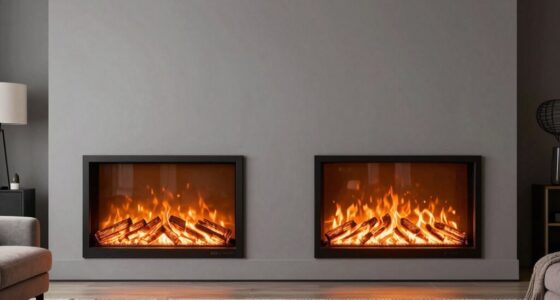
EUHOMY 50 Inch Electric Fireplace Wall Recessed and Wall Mounted with Adjustable Flame Color, Fireplace Heater with Remote Control, Linear Fireplace with Timer, Touch Screen, Log & Crystal, 750/1500W
Package Inclusions & 2-Year Technical Support: : The EUHOMY electric fireplace is equipped with 1* carbon log, 1*...
As an affiliate, we earn on qualifying purchases.
Frequently Asked Questions
Can Insulation Save Money on Electric Heating Costs Long-Term?
Yes, insulation can save you money on electric heating costs long-term. By increasing thermal resistance, insulation keeps heat inside your home longer, reducing energy use. Moisture barriers prevent dampness that can lower insulation effectiveness and cause damage. Proper insulation minimizes heat loss, so your electric heating system works less, saving you money over time. Investing in quality insulation ensures better energy efficiency and lower utility bills in the long run.
What Types of Insulation Are Best for Electric Heated Homes?
Think of your home as a cozy fortress, and insulation as its thermal barriers. You’ll want to choose high-quality insulation materials like spray foam, fiberglass batts, or cellulose, which trap heat like an embrace. These options prevent warmth from slipping away, making your electric heating more efficient. For maximum results, combine different insulation types in walls, attics, and floors to create a seamless shield that keeps your home warm and your energy bills lower.
How Does Insulation Affect Heating System Lifespan?
Insulation directly extends your heating system’s lifespan by reducing strain on your electric system. High thermal resistance keeps heat inside, preventing temperature fluctuations that can wear out components faster. Good moisture control also protects insulation from mold and damage, maintaining its effectiveness. When your insulation is properly installed and maintained, it lessens the workload on your heater, ultimately prolonging its life and ensuring consistent, efficient heating for years to come.
Is Insulation Effectiveness Impacted by Climate Zone?
In colder climate zones, insulation effectiveness drops by up to 30% if not properly upgraded, making your heating less efficient. Climate zones substantially influence insulation performance because temperature extremes challenge its ability to retain heat. You should consider adjusting insulation levels based on your climate zone to maximize electric heating efficiency. Proper insulation tailored to your area keeps warmth in and reduces energy consumption effectively.
How Often Should Insulation Be Inspected or Replaced?
You should inspect your insulation at least every 3 to 5 years to check for thermal degradation and guarantee its durability. Over time, insulation can settle, become compressed, or develop gaps, reducing its effectiveness. If you notice signs like drafts, mold, or pest damage, replace it sooner. Regular inspections help maintain ideal electric heating efficiency by keeping insulation in good condition, ultimately saving energy and reducing costs.
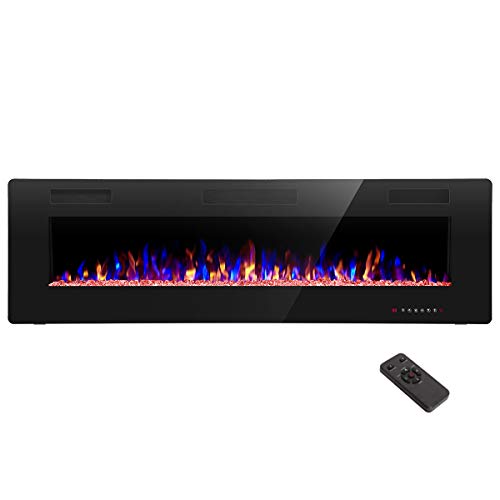
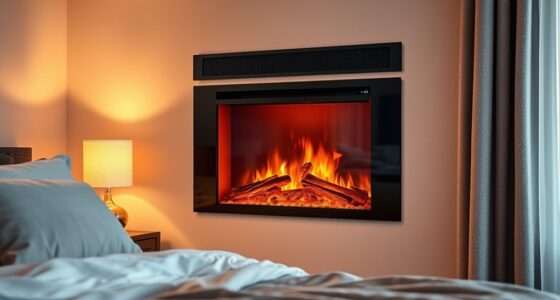
R.W.FLAME 60" Recessed and Wall Mounted Electric Fireplace, Low Noise, Fit for 2 x 6 Stud, Remote Control with Timer, Touch Screen, Adjustable Flame Color and Speed, 750-1500W
Attractive and Practical Design: 3.86"D x 60"W x 18.11"H,The thickness of the new style is only 3.86 inches...
As an affiliate, we earn on qualifying purchases.
Conclusion
Think of your home as a cozy castle and insulation as its loyal shield. When your shield is strong, the castle stays warm with less effort, making your electric heating work smarter, not harder. Without good insulation, your warmth escapes like a brave knight lost in fog. So, by bolstering your home’s shield, you’re not just saving energy—you’re ensuring your castle remains a warm, inviting haven all season long.

Touchstone Smart Electric Fireplace-The Sideline 50" Wide-in Wall Recessed - 30 Realistic Ember Color/Flame Options - 1,500W Heater w/Thermostat - Log & Crystal Hearth Options - Alexa/WiFi Enabled
APPEARANCE: The Sideline electric fireplace is designed for recessed in-wall mounting. Creating a cozy atmosphere of a traditional...
As an affiliate, we earn on qualifying purchases.

Westinghouse 60 Inch Electric Fireplace Heater, Compatible with Alexa & Google Home, Wall Mount or in-Wall Recessed Fireplace Insert, 24 Hour Timer, Color Changing Flames, 750W/1500W Indoor Heater
CUSTOMIZE APPEARANCE: Up to 144 total color combinations for flames and embers, 5 independent brightness levels, and 5...
As an affiliate, we earn on qualifying purchases.