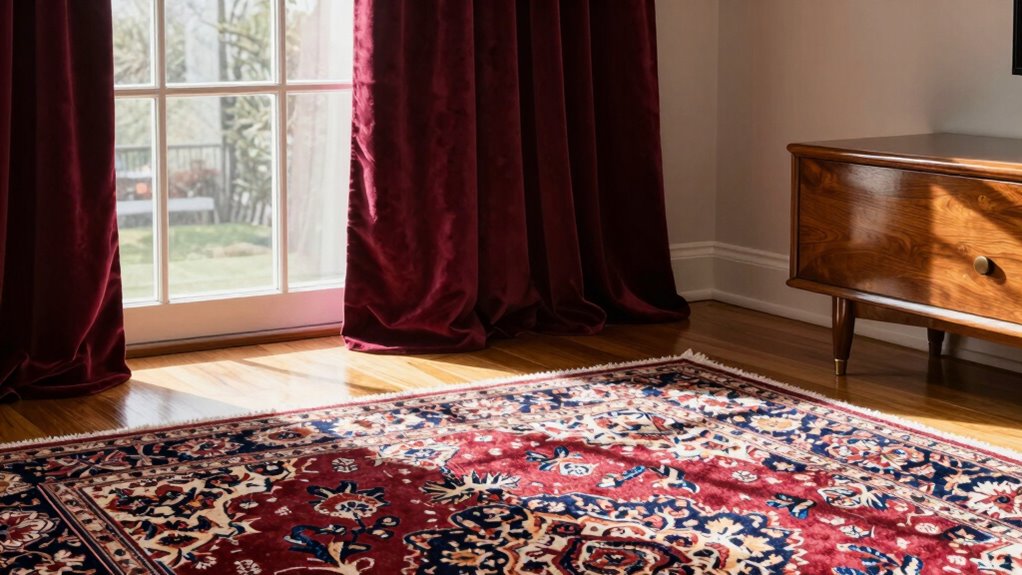
Rugs, furniture, and curtains considerably influence heat flow in your home by acting as barriers and insulators. Thick rugs trap air beneath, providing ground insulation, while upholstered furniture and heavy curtains help reduce heat transfer through walls and windows. Curtains can be adjusted seasonally to trap warmth or improve airflow. Proper placement of these items improves air circulation and keeps your home warm in winter and cool in summer. Keep exploring to discover key tips for optimizing your home’s comfort.

Get home appliances delivered free — and shop member deals
- Fast, free delivery on millions of items
- Access to Prime Big Deal Days deals on October 6–7
- Prime Video, Amazon Music and more included
Key Takeaways
- Rugs trap air beneath them, providing ground insulation and reducing heat loss through the floor.
- Heavy curtains block cold drafts and retain warm air near windows during colder months.
- Upholstered furniture slows heat transfer, helping maintain indoor warmth.
- Proper placement of furnishings promotes even heat distribution and improves airflow.
- Seasonal adjustments to curtains and furniture placement optimize energy efficiency and indoor comfort.
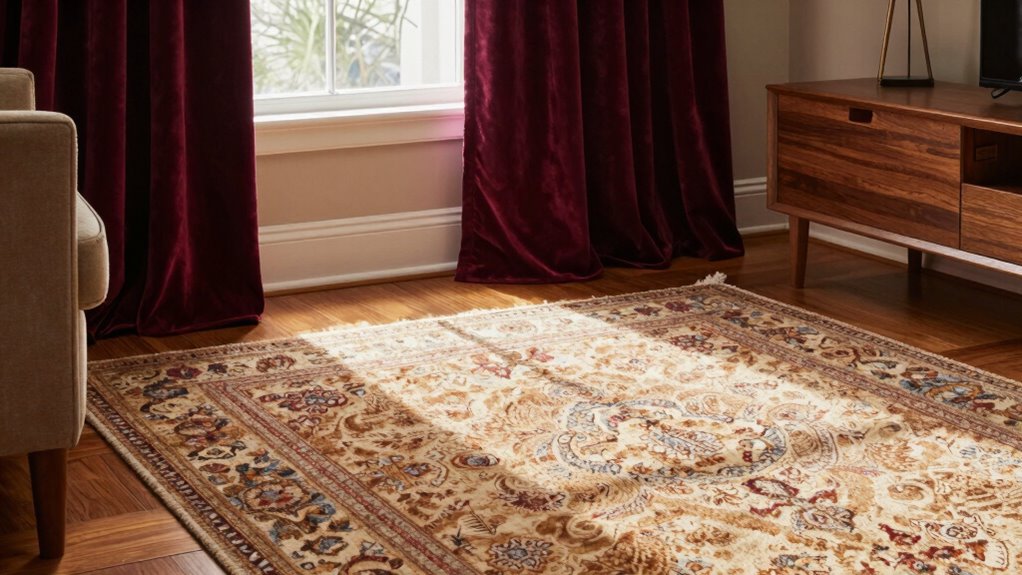
Rugs, furniture, and curtains play a significant role in controlling heat flow within your home. They act as barriers that influence how heat moves through your living spaces, helping you conserve energy and stay comfortable. One key factor is thermal insulation, which many of these items provide. Thick rugs on your floors, for example, trap air beneath them, creating a layer of insulation that prevents heat from escaping through the ground. Similarly, upholstered furniture and heavy curtains serve as barriers that reduce heat transfer, keeping warmth inside during colder months. When you choose materials with good insulating properties, you’re effectively slowing down the flow of heat from warmer to cooler areas, which is vital for maintaining a consistent indoor temperature. Proper placement of these furnishings also enhances thermal efficiency by optimizing how heat is retained or distributed. Air circulation is another essential aspect impacted by these furnishings. Proper air circulation ensures that warm air is evenly distributed, preventing cold spots and drafts. Curtains, especially when kept closed during winter nights, can help trap warm air close to windows, which are often the primary sources of heat loss. Conversely, they can be opened during warmer days to allow fresh air to circulate, preventing stale air buildup. Rugs and furniture also influence air movement at ground level. A large area rug can obstruct the free flow of air near the floor, which can either help retain heat or, if placed improperly, hinder ventilation. You want to find a balance—using rugs and furniture to block heat escape without creating stagnant air pockets that reduce circulation and comfort. Additionally, selecting breathable textiles can help improve air quality and circulation within your space. Incorporating proper furniture arrangement can further enhance airflow and temperature regulation, ensuring that heat distributes more evenly throughout the room. Your choices in textiles and placement directly impact how effectively your home retains heat. For example, thick curtains with thermal lining not only block out cold drafts but also reduce the amount of air circulation that can carry heat away from your living space. Conversely, if you want to maximize airflow during warmer months, lightweight curtains that can be easily opened are better. Proper placement of furniture can also facilitate better air circulation, ensuring that heated air isn’t trapped behind large pieces but instead flows naturally through the room. This strategic arrangement helps maintain a comfortable temperature year-round, and understanding the role of insulation in these furnishings can guide you in making more energy-efficient choices.
thermal insulating rugs for home
As an affiliate, we earn on qualifying purchases.
As an affiliate, we earn on qualifying purchases.
Frequently Asked Questions
Do Different Rug Materials Impact Heat Retention Differently?
Yes, different rug materials impact heat retention differently. Natural fibers like wool offer excellent insulation, helping keep warmth in, while synthetics may be less effective. You should consider rug durability because some materials wear better over time, maintaining insulation qualities. Also, material cost influences your choice—more durable, insulating materials often cost more initially but save you money long-term by lasting longer and enhancing heat retention.
How Does the Color of Furniture Influence Heat Absorption?
The color of your furniture acts like a magnet for heat, with darker shades absorbing more warmth and lighter hues reflecting it. You can think of it as a dance where color psychology influences thermal conductivity—darker furniture pulls in heat, making your space warmer, while lighter pieces help keep things cool. Choosing your furniture color wisely can optimize heat retention or release, depending on your climate needs.
Can Curtains Insulate Against Cold Drafts Effectively?
Yes, curtains can effectively insulate against cold drafts. They act as thermal barriers, preventing drafts from entering through windows. By covering gaps and minimizing air leaks, curtains help maintain a stable indoor temperature. To maximize draft prevention, choose thick or layered curtains, especially during colder months. This simple addition creates a cozy barrier, reducing heat loss and keeping your space warmer and more comfortable.
Do Window Treatments Affect Heat Loss in Summer?
Yes, window treatments like solar shades and window film can markedly reduce summer heat gain. They block out intense sunlight, keeping your home cooler and lowering air conditioning costs. Without them, heat can easily seep in through your windows, making indoor spaces uncomfortable. So, don’t underestimate the power of these treatments—they’re your first line of defense against the sweltering summer heat, providing relief and energy savings.
How Often Should Curtains Be Washed to Maintain Insulation?
You should wash your curtains every 2 to 4 weeks to maintain good insulation. The washing frequency depends on the curtain material—lighter fabrics may need more frequent cleaning, while heavier or more durable materials can go longer between washes. Regular cleaning removes dust, allergens, and dirt that can reduce insulation properties, ensuring your curtains stay effective at blocking drafts and maintaining warmth inside your home.
heavy blackout curtains for winter
As an affiliate, we earn on qualifying purchases.
As an affiliate, we earn on qualifying purchases.
Conclusion
By now, you see how rugs, furniture, and curtains are your home’s loyal allies against the chill, guiding heat where you want it most. Don’t forget, a well-placed curtain or cozy rug can turn your space into a sanctuary, much like the hearths of old. So, embrace these simple tricks to keep warmth in, save energy, and feel the comfort of a snug home—your modern fortress in a cold world.
upholstered furniture with insulating properties
As an affiliate, we earn on qualifying purchases.
As an affiliate, we earn on qualifying purchases.
As an affiliate, we earn on qualifying purchases.
NFL season / tailgating Picks
team gear
As an affiliate, we earn on qualifying purchases.