
To avoid overloading a circuit with electric heat, you should check the circuit’s capacity—most are designed for 15 or 20 amps, supporting up to about 2,400 watts. Always add up the wattage of all devices on that circuit before plugging in high-power appliances. Distribute your heat sources and other devices across multiple circuits to prevent overloads. If you notice frequent trips or sparks, it’s safest to consult an electrician. Keep these tips in mind to guarantee safe, efficient operation—there’s more to it than you might think.

Get home appliances delivered free with Prime
- Fast, free delivery on millions of items
- Prime Video, Amazon Music and more included
- Member-only deals all year
Key Takeaways
- Calculate the total wattage of all devices on each circuit before adding electric heat appliances.
- Install dedicated circuits for high-wattage electric heat to prevent overloading.
- Distribute electric heat devices across multiple circuits to balance the load effectively.
- Regularly inspect circuit breakers and wiring for signs of overload or damage.
- Avoid daisy-chaining multiple high-power devices on a single circuit.
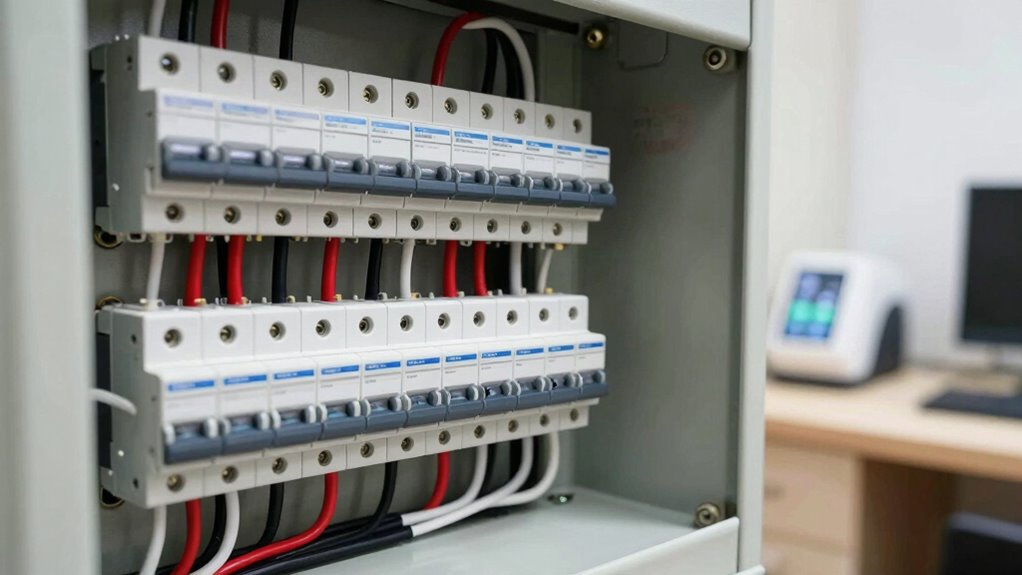
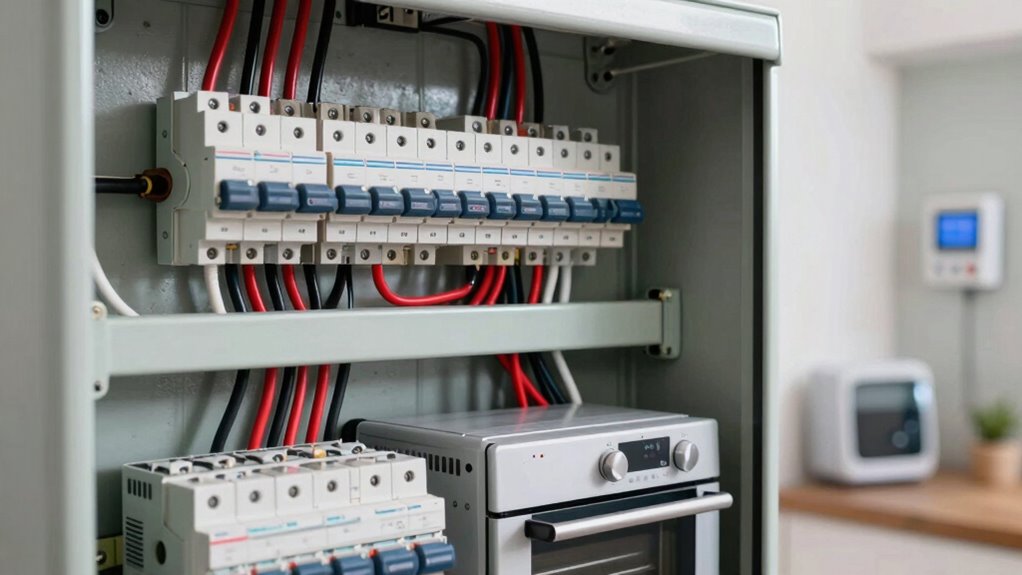
Overloading a circuit can cause dangerous sparks, tripped breakers, or even electrical fires, so it’s important to manage your electrical load carefully. When it comes to electric heat, which often draws substantial power, understanding how to prevent overloads is crucial for wiring safety and the longevity of your electrical system. The key is knowing your circuit breaker capacity and how much load it can safely handle. Most residential circuits are rated for 15 or 20 amps, which means they can support a specific wattage limit—generally around 1,800 to 2,400 watts. Exceeding this capacity by plugging in multiple high-wattage devices, like space heaters, can quickly overload the circuit.
Overloading circuits with high-wattage devices risks sparks, trips, and fires; know your breaker limits to stay safe.
To avoid this, you should always be aware of what’s already connected to a circuit before adding electric heat devices. It’s easy to forget that multiple lamps, appliances, or other devices share the same circuit, and overloading occurs when their combined wattage surpasses the circuit breaker’s capacity. A good rule of thumb is to sum up the wattage of all devices you plan to use on a single circuit and compare it to the breaker’s rating. If your space heater requires 1,500 watts, and you already have several other devices running, it’s best to distribute them across different circuits.
Wiring safety is paramount when dealing with electric heat. If you notice frequent breaker trips or sparks when plugging in your heater, it’s a sign that your wiring may not support the load, or that the breaker is undersized. Upgrading the wiring or breaker capacity should only be done by a licensed electrician to ensure safety standards are met. Never attempt to modify or bypass circuit breakers yourself, as improper wiring can lead to severe electrical hazards. Proper circuit capacity awareness is essential for preventing overloads and maintaining safety.
Additionally, installing dedicated circuits for your electric heat appliances can prevent overloads. These circuits are wired specifically for high-wattage devices, reducing the risk of overloading other circuits in your home. Regularly inspecting your electrical system and understanding the load your circuits can handle will help you avoid dangerous situations. Remember, maintaining wiring safety involves not only proper installation but also mindful usage—never connect multiple high-power devices to a single circuit, and always respect the rated capacity of your circuit breaker. Properly understanding circuit capacity can significantly reduce the risk of overloads, keeping your home safe and your electrical system functioning efficiently. It is also beneficial to consult local electrical codes to ensure compliance and safety standards are met.
As an affiliate, we earn on qualifying purchases.
Frequently Asked Questions
Can Using Extension Cords Cause Circuit Overloads?
Yes, using extension cords can cause circuit overloads if you don’t follow cord safety and power ratings. Extension cords often aren’t rated for high power devices like electric heaters, risking overheating and tripping breakers. Always check the cord’s power rating and make certain it matches or exceeds your device’s requirements. Avoid daisy-chaining multiple cords, and plug high-wattage appliances directly into wall outlets to prevent overloads and potential hazards.
How Do I Identify if a Circuit Is Overloaded?
Imagine a dam holding back water—if it overflows, trouble begins. When you suspect your circuit is overloaded, check your circuit breakers; if they trip frequently, it’s a sign of excessive electrical load. You might feel a slight tingling or notice flickering lights, indicating strain. Regularly monitor your appliances and avoid plugging too many devices into one outlet to prevent overloading your circuit and protect your electrical system.
What Are the Signs of an Overloaded Circuit?
You’ll notice an overloaded circuit if the circuit breaker trips frequently, indicating it’s exceeding its capacity. Bright or flickering lights also signal too much electrical load. To prevent this, perform an electrical load calculation to guarantee your devices, including electric heat, stay within the circuit breaker capacity. If you suspect overload, reduce the load by unplugging some appliances or spreading them across different circuits to maintain safe operation.
Is It Safe to Run Multiple Heat Devices on One Circuit?
Running multiple heat devices on one circuit isn’t safe because it can overload the circuit, causing potential hazards. Instead, prioritize temperature regulation by using devices on separate circuits or installing dedicated ones for high-power heaters. This approach improves energy efficiency and guarantees safe operation. Always check your circuit’s capacity and avoid exceeding its limits, preventing overloads and maintaining proper temperature control in your space.
When Should I Upgrade My Electrical System for Heat Appliances?
Imagine your electrical system as a highway; if too many cars (heat appliances) pile up, traffic slows or crashes. You should upgrade your electrical panel capacity when your circuit breaker ratings can’t handle your growing needs, especially with high-wattage electric heat devices. If you notice frequent tripping or dimming lights, it’s time to call an electrician to assess whether your system can handle the load or needs an upgrade.
electric space heater with dedicated circuit
As an affiliate, we earn on qualifying purchases.
As an affiliate, we earn on qualifying purchases.
Conclusion
To keep your home safe, always be mindful of your circuit’s limits. Avoid plugging multiple high-wattage devices into the same outlet and consider upgrading your electrical system if you often trip circuit breakers. Did you know that electrical fires caused by overloaded circuits account for over 50% of household fire incidents? Staying informed and cautious can prevent these tragedies, ensuring your home remains a safe haven for you and your loved ones.
As an affiliate, we earn on qualifying purchases.
electrical wiring inspection kit
As an affiliate, we earn on qualifying purchases.
As an affiliate, we earn on qualifying purchases.
Halloween Picks
halloween
As an affiliate, we earn on qualifying purchases.