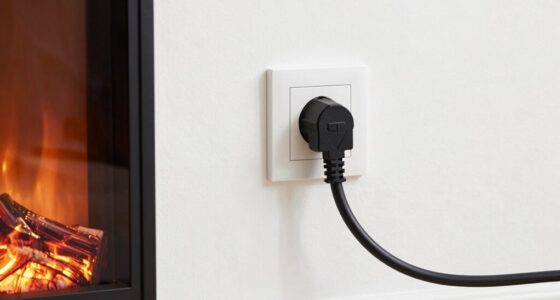

Before plugging in your electric fireplace, inspect the outlet for any damage, burn marks, or discoloration. Use a dedicated outlet tester to check for wiring issues and verify indicator lights show proper connections. Confirm the circuit breaker is on and not tripping. You can also use a multimeter to measure voltage; ideally, it should be around 120 volts. If any problems arise, or you’re unsure, continue with the steps to guarantee safe and reliable use.
Key Takeaways
- Visually inspect the outlet for damage, burn marks, or signs of overheating.
- Use a outlet tester to verify proper wiring and indicator lights.
- Test the outlet with a multimeter to ensure around 120 volts in North America.
- Check that the circuit breaker controlling the outlet is ON and stable.
- Follow electrical safety precautions and avoid using if any issues are detected.
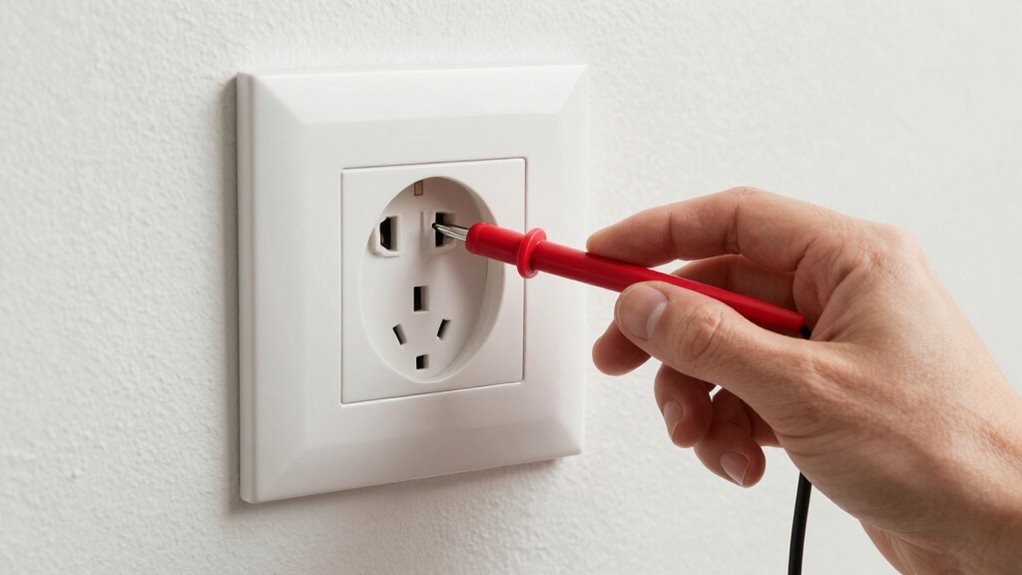
Have you ever plugged in your electric fireplace only to find it doesn’t turn on? That frustrating moment can often be caused by an outlet issue. Before you start blaming the fireplace, it’s essential to check the outlet itself. Ensuring electrical safety is your top priority—faulty outlets can pose risks like electrical shocks or fires. Proper outlet testing helps confirm whether your outlet is working correctly and is safe to use.
Start by inspecting the outlet visually. Look for signs of damage, such as burn marks, discoloration, or loose-fitting plugs. If you notice any of these, do not proceed—these are clear indicators that the outlet needs replacement or professional inspection. Also, check if the outlet feels warm or hot to the touch; warmth can signal an internal fault or overloaded circuit, which is dangerous. Maintaining a safe electrical system also involves understanding outlet maintenance and how to identify potential issues early. Additionally, being aware of faulty outlets can help you recognize hazards before they become serious. Recognizing signs of electrical hazards can further prevent dangerous situations.
Inspect the outlet for damage, burn marks, or warmth; avoid use if signs of trouble appear.
Next, perform a simple outlet test. You can do this with a dedicated outlet tester, which is an inexpensive device designed for quick, accurate testing. Plug the tester into the outlet and observe the indicator lights. Most testers have a chart that tells you exactly what the lights mean—whether the outlet is wired correctly, open ground, open neutral, or if there’s a wiring issue. If the tester indicates any wiring problems, you should turn off the power and call a qualified electrician before plugging in your electric fireplace.
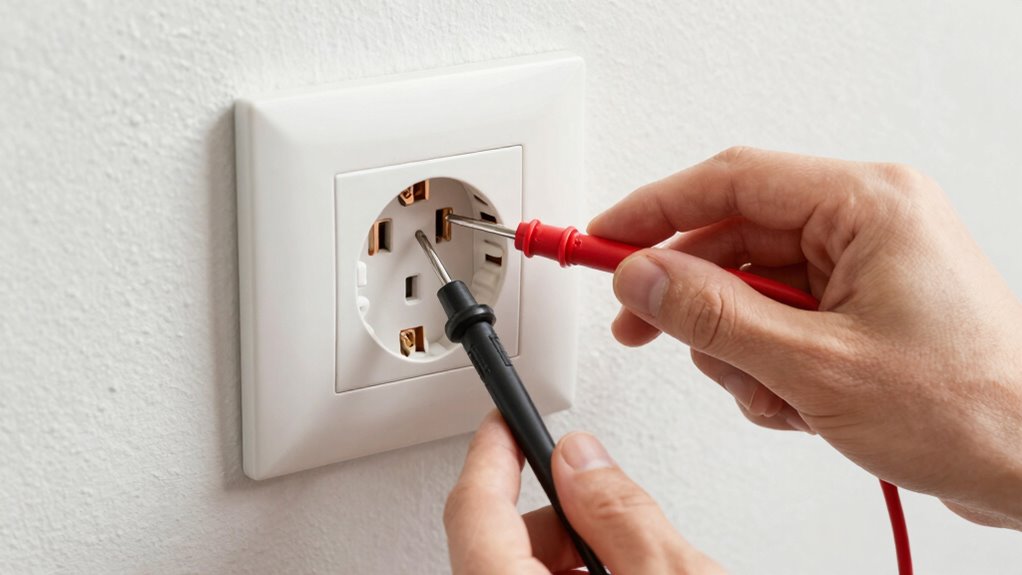
If you don’t have a tester, a multimeter can be a reliable alternative. Set your multimeter to measure AC voltage, and carefully insert the probes into the outlet slots—one into the hot slot and the other into the neutral slot. A typical reading should be around 120 volts (in North America). If the voltage is significantly lower or there’s no reading at all, it suggests an issue with the outlet or circuit. Never attempt to fix electrical wiring unless you’re qualified; instead, shut off the power and consult an electrician.
Another important step is to verify that the circuit breaker controlling this outlet is on and hasn’t tripped. If it’s off, turn it back on and re-test the outlet. Avoid using the outlet if it trips again or shows inconsistent voltage readings. Remember, electrical safety isn’t just about the device working—it’s about ensuring your home’s wiring is safe and reliable. Proper outlet testing before plugging in your electric fireplace helps prevent potential hazards and ensures your heater operates smoothly. Taking these precautions can save you from accidents and keep your family safe. Conducting a voltage test and understanding your home’s wiring system are essential steps in maintaining electrical safety. Additionally, understanding the impact of faulty outlets can help prevent serious electrical issues in your home.

Klein Tools RT110 Outlet Tester, AC Electrical Receptacle Tester for North American Outlets
- Light Sequence Indicator: Shows wiring status clearly
- Certified Safety Standards: UL and CSA compliant
- Wide Temperature Range: Operates from 32°F to 140°F
As an affiliate, we earn on qualifying purchases.
As an affiliate, we earn on qualifying purchases.
Frequently Asked Questions
Can I Use a Surge Protector With My Electric Fireplace Outlet?
You shouldn’t use a surge protector with your electric fireplace outlet because it can compromise fire safety. Electric fireplaces require a direct, dedicated outlet to handle their power load safely. A surge protector might not support the high current demands and could cause overheating or electrical issues. For your safety, plug your fireplace directly into a grounded outlet and avoid using surge protectors to prevent fire hazards.
How Often Should I Test My Outlet for Safety?
Think of your outlet as a delicate dance partner, needing regular practice to stay in sync. You should test your outlet at least once a month to guarantee safety precautions are in place and everything’s functioning smoothly. Regular outlet maintenance keeps potential sparks at bay and prevents hazards. By staying vigilant and checking often, you’re safeguarding your home, so your electric fireplace can warm your space without worry or interruption.
What Signs Indicate an Outlet Is Faulty?
You’ll notice faulty outlets if you see signs like outlet corrosion, which appears as rust or discoloration, or if the outlet feels warm or hot to the touch. Flickering lights or frequent tripping of circuit breakers also indicate wiring issues or a faulty outlet. Unusual buzzing sounds or a burning smell are serious signs, so if you notice any of these, stop using the outlet immediately and have it inspected by a professional.
Is It Safe to Plug Multiple Devices Into the Same Outlet?
It’s generally unsafe to plug multiple devices into the same outlet, especially if your electrical wiring isn’t up to date. Overloading can cause overheating or electrical fires. To guarantee safety, avoid daisy-chaining multiple devices and perform regular outlet maintenance, like inspecting for damage or loose connections. If you need more outlets, consider installing a dedicated circuit or using a power strip with a built-in breaker to prevent overloads.
Should I Hire an Electrician to Inspect My Outlets Regularly?
Yes, you should hire an electrician to inspect your outlets regularly for proper outlet maintenance and electrical safety. Routine inspections catch potential issues early, like loose connections or wiring problems, before they cause hazards. An electrician guarantees your outlets meet safety standards, reducing the risk of electrical fires or shocks. Regular inspections give you peace of mind, especially if you frequently use high-power appliances or have older outlets in your home.
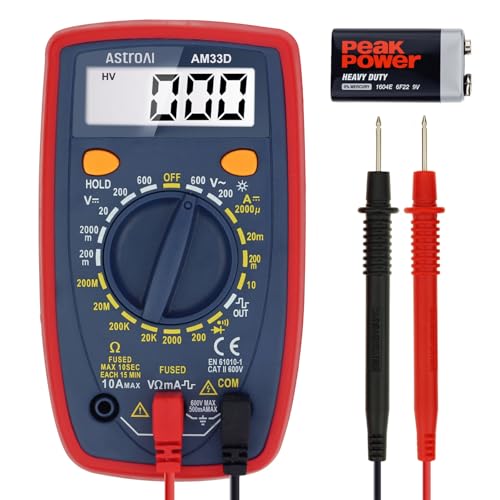
AstroAI Digital Multimeter Tester 2000 Counts with DC AC Voltmeter and Ohm Volt Amp Meter; Measures Voltage, Current, Resistance, Continuity and Diode, Blue
- Measurement Capabilities: Voltage, Current, Resistance, Diode, Continuity
- Versatile Use: Ideal for household and automotive testing
- Display Features: Backlit LCD with 3½ digits, 1999 count
As an affiliate, we earn on qualifying purchases.
As an affiliate, we earn on qualifying purchases.
Conclusion
Always take the time to check your outlet before plugging in your electric fireplace. Ensuring it’s working properly can prevent potential hazards and keep your space safe. Remember, a stitch in time saves nine—addressing electrical issues early can save you from bigger problems down the road. So, don’t skip this quick step; it’s a small effort that guarantees peace of mind and cozy warmth without surprises. Stay safe and enjoy your fireplace worry-free.

Klein Tools ET310KIT AC Circuit Breaker Finder Kit, Electric Tester, GFCI Tester, Leads, Adapters and Case
- Accurate Breaker Identification: Quickly locate the correct breaker
- Visual and Audible Cues: Clear signals when breaker is found
- Built-in GFCI Tester: Test GFCI outlets and wiring
As an affiliate, we earn on qualifying purchases.
As an affiliate, we earn on qualifying purchases.

Klein Tools RT250 GFCI Outlet Tester with LCD Display, Electric Voltage Tester for Standard 3-Wire 120V Electrical Receptacles
- LCD Display: Large backlit LCD for easy readings
- Trip Time Monitoring: Displays GFCI trip time for troubleshooting
- Wiring Fault Detection: Identifies common wiring issues
As an affiliate, we earn on qualifying purchases.
As an affiliate, we earn on qualifying purchases.