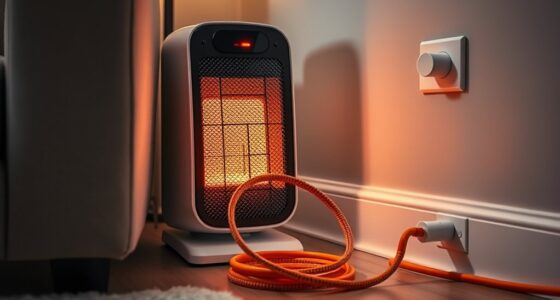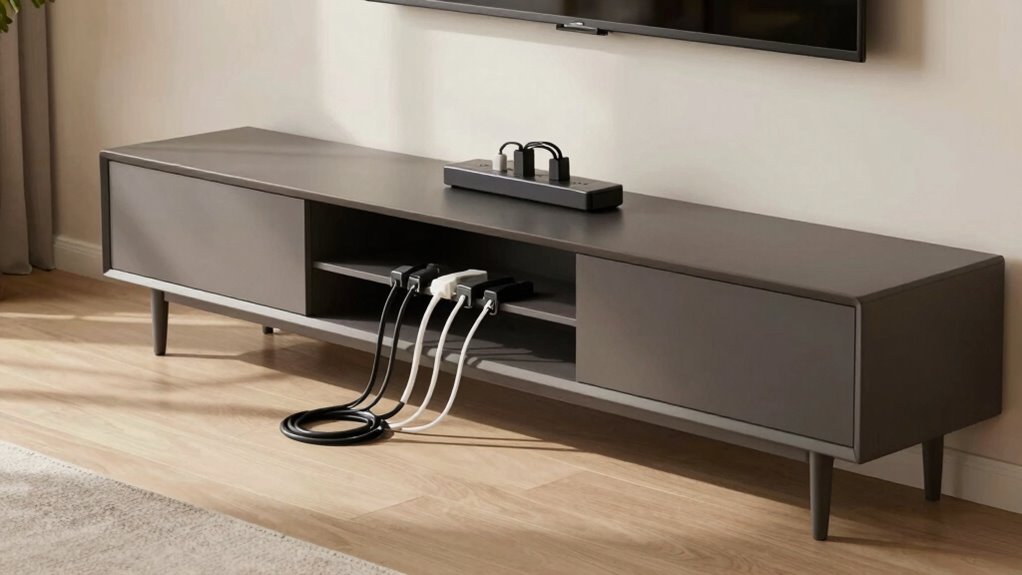

To reduce trip and cord hazards around freestanding units, organize your cables with clips or sleeves to keep them neat and bundled. Shorten or remove excess cords, and keep them along walls or furniture to prevent sprawl. Improve visibility by adding proper lighting and clear signage to alert others of potential hazards. Regularly inspect and maintain your setups to keep everything safe. If you want more tips, you’ll find useful strategies to keep your space safer and clutter-free.

Get home appliances delivered free with Prime
- Fast, free delivery on millions of items
- Prime Video, Amazon Music and more included
- Member-only deals all year
Key Takeaways
- Organize and secure cords using clips, sleeves, or conduits to prevent tangling and reduce trip hazards around freestanding units.
- Install clear safety signage in high-traffic areas to alert about cord hazards and promote cautious navigation.
- Improve lighting conditions nearby to enhance visibility of cords and minimize accidents.
- Regularly inspect and maintain cords and management systems, replacing damaged cables immediately.
- Educate staff or household members on proper cable management and safety practices for ongoing hazard prevention.
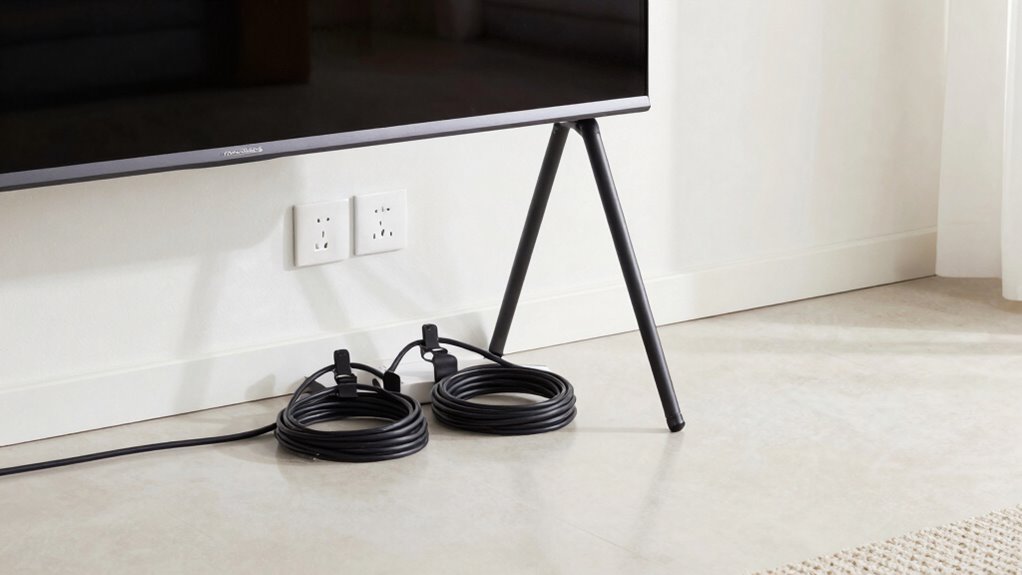
Ever wonder how to keep your space safe from trip and cord hazards around freestanding units? The key lies in effective cable organization and clear safety signage. When cords are left loose or cluttered, they create a significant risk for trips, slips, and falls. Taking proactive steps to organize and secure cables can drastically reduce these hazards, making your environment safer for everyone. Start by evaluating the cords running around your freestanding units—identify which cables are unnecessary or excess, and remove or shorten them if possible. Using cable management tools like clips, sleeves, or conduits helps keep cords neatly bundled along walls or furniture, preventing them from sprawling across walkways. This not only minimizes trip risks but also makes your space look cleaner and more professional.
Organize and secure cords with management tools and signage for a safer, clutter-free space around freestanding units.
In addition to organizing cables, installing safety signage can serve as a visual reminder to be cautious around cords and freestanding units. Clear, visible signs alert people to potential hazards, especially in high-traffic areas. Use signs that are easy to read and understood by everyone, indicating where cords are located or warning about tripping hazards. These signs act as preventative measures, prompting individuals to pay attention and navigate around cords safely. When combined with proper cable management, safety signage provides a thorough approach to hazard reduction. Incorporating proper lighting can further enhance visibility of cords and reduce the risk of accidents, especially in dimly lit areas. Regular inspection and maintenance of cables and signage are crucial to ensure ongoing safety and effectiveness. Additionally, educating staff or household members about cable safety encourages proactive behavior and helps maintain a hazard-free environment.
Additionally, securing cords to surfaces or furniture with the right cable management tools helps prevent accidental disconnection or damage, which could create additional hazards. Regular inspections are essential to maintain these safety measures. Check for frayed or damaged cords, loose connections, or signs of wear, and replace or repair as needed. Reinforce your cable management system periodically to ensure it remains effective. Remember, safety signage should be updated or replaced if it becomes faded or damaged. By staying vigilant and maintaining good cable organization practices, you create a safer environment where trip hazards are minimized. Ultimately, implementing these simple yet effective measures ensures that your space around freestanding units remains secure, functional, and welcoming for everyone who uses it.
cable management clips for cords
As an affiliate, we earn on qualifying purchases.
As an affiliate, we earn on qualifying purchases.
Frequently Asked Questions
Are There Specific Safety Standards for Cord Management?
Yes, there are specific safety standards for cord management you should follow. You need to focus on proper cord organization to prevent trip hazards and guarantee safety compliance. Use cord covers, clips, or ties to keep cords neat and out of the way. Regularly inspect cords for damage, and avoid overloading outlets. Following these standards helps create a safer environment, reducing risks associated with loose or poorly managed cords.
How Often Should Cords Be Inspected for Damage?
You should inspect cords for damage at least once every three months—or more often if they’re in high-traffic areas. While it’s tempting to forget about them, maintaining cord visibility and hazard awareness helps prevent trips and electrical issues. Don’t wait until a frayed wire or loose plug becomes a serious problem; regular checks keep everyone safe and prevent accidents around freestanding units.
Can Cord Covers Be Used Outdoors Safely?
Yes, cord covers can be used outdoors safely if they’re weatherproofed properly. Use outdoor-rated cord covers designed for weather resistance to guarantee durability. Employ effective cord concealment techniques, like securing cords along walls or under rugs, to prevent tripping hazards. Always check the product specifications for outdoor use and regularly inspect cords for damage to maintain safety. Proper outdoor weatherproofing and concealment help keep your space safe and organized.
What Materials Are Best for Securing Loose Cords?
Think of your safety as a precious thread that holds everything together. To guarantee loose cords, you should choose materials with high durability, like heavy-duty cable clips or braided sleeves, that withstand foot traffic and weather. These options ensure effective cable organization, preventing trips and damage. Durable materials keep cords firmly in place, giving you peace of mind — because nothing should come between you and a safe, hazard-free environment.
How Do I Train Staff to Avoid Cord Hazards?
You train staff by emphasizing hazard awareness and incorporating staff training on cord safety daily. Show them how to identify potential trip hazards and proper cord management techniques. Use real-life scenarios, demonstrations, and regular refreshers to reinforce safety practices. Encourage a culture where staff feel responsible for maintaining a hazard-free environment. Consistent training helps prevent accidents and keeps everyone aware of the importance of avoiding cord hazards around freestanding units.
As an affiliate, we earn on qualifying purchases.
Conclusion
By taking simple steps like securing cords and keeping walkways clear, you considerably reduce trip hazards around freestanding units. Did you know that falls account for nearly 30% of all workplace injuries? Staying proactive not only keeps your space safer but also minimizes the risk of costly accidents. So, make it a habit to regularly check and organize your cords and walkways—your safety is worth the effort!
As an affiliate, we earn on qualifying purchases.
trip hazard warning signs for home
As an affiliate, we earn on qualifying purchases.
As an affiliate, we earn on qualifying purchases.
Cold & flu season Picks
humidifiers
As an affiliate, we earn on qualifying purchases.