If your electric fireplace fan is too loud or noisy, it might be due to unbalanced or damaged blades causing vibrations, or electrical interference affecting motor operation. Loose parts or wiring issues can also produce added noise. Cleaning and tightening loose components often help, but if the noise persists, inspecting the blades or electrical connections can reveal underlying problems. Keep exploring for more detailed tips to quiet your fan and enjoy a cozy, peaceful atmosphere.
Key Takeaways
- Check for bent, damaged, or unbalanced fan blades and realign or replace them if necessary.
- Clean the fan blades and internal components to remove dust and debris that can cause noise.
- Ensure the fan is securely mounted and all screws or fasteners are tight to reduce vibrations.
- Inspect electrical connections and wiring for loose or damaged parts that may cause humming or buzzing.
- Consider professional servicing if noise persists, as it may indicate motor issues or electrical interference.
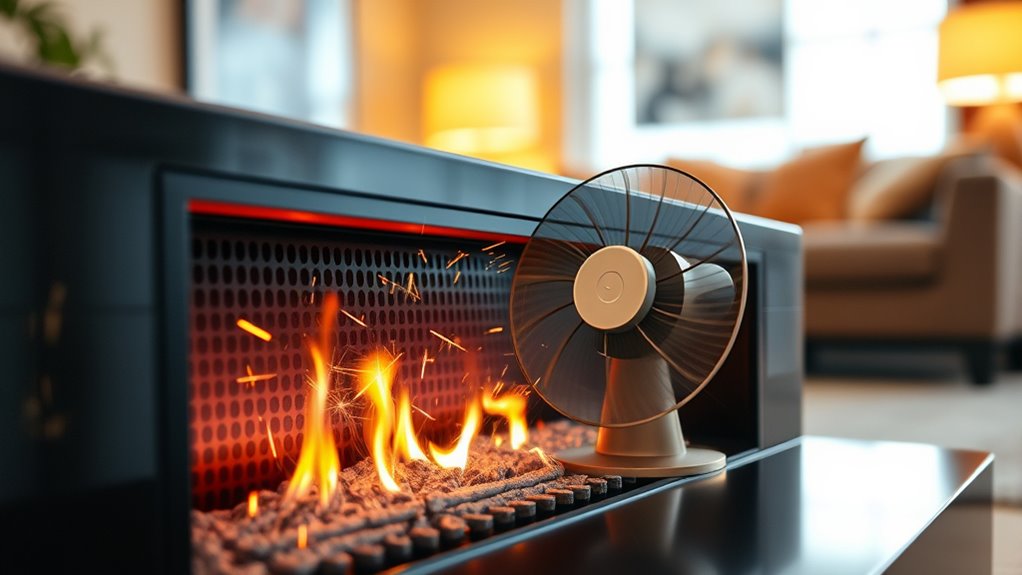
If you’ve noticed a buzzing or humming sound coming from your electric fireplace, you’re not alone. Many owners find that the fan can sometimes be louder than expected, making it hard to enjoy the cozy ambiance you’re after. Understanding why your fan is noisy involves looking into its design and how it interacts with other electrical components. One common cause is the fan blade design. If the blades are uneven, bent, or poorly balanced, they can create excessive noise when spinning. This imbalance causes vibrations and a loud, rhythmic hum that can be quite distracting. Sometimes, the blades might be made of material that amplifies sound, or their shape might not optimize airflow, resulting in a noisier operation. Checking the fan blades for any visible damage or misalignment can often help you identify the problem. If needed, replacing or realigning the blades can substantially reduce noise levels and restore peaceful operation.
Another major factor contributing to a loud electric fireplace fan is electrical interference. When electrical signals fluctuate or are disrupted, they can cause the fan motor to run unevenly or produce a buzzing sound. Electrical interference can stem from multiple sources, such as nearby electronic devices, poor wiring connections, or a malfunction within the fireplace’s internal circuitry. If your fireplace’s power source is unstable or if there’s a short circuit, it can cause the fan motor to vibrate or spin irregularly, resulting in noise. In some cases, electromagnetic interference from other appliances or devices can interfere with the motor’s operation, leading to a persistent hum. To troubleshoot this, try plugging your fireplace into a different outlet, away from other electronics, to see if the noise diminishes. Ensuring the wiring inside the unit is secure and free of damage is also essential. If electrical interference persists, consulting an electrician or the manufacturer’s service technician can help pinpoint and resolve the issue, possibly involving replacing faulty wiring or upgrading components for better electrical stability. Additionally, inspecting the electrical components and ensuring proper grounding can help minimize such disturbances.
Ultimately, addressing fan noise involves inspecting both the physical fan blade design and the electrical environment of your fireplace. Simple steps like cleaning the blades, tightening any loose parts, or repositioning the unit can make a notable difference. If noise continues despite these efforts, professional help may be necessary to diagnose electrical interference problems or replace faulty parts. By understanding these core causes, you can take targeted action to restore your electric fireplace to quiet, cozy operation, letting you enjoy the warmth without the distraction of excessive noise.
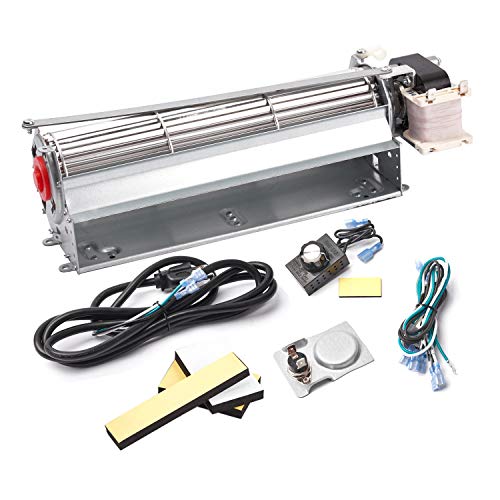
Adviace Replacement Fireplace Blower Kit for Heatilator, Majestic, Lennox, Temco Fireplace, GFK4B GFK4 FK4 GFK4A Fireplace Fan Blower Kit for Heatilator GNBC33,NDV4236I,ND3933
- Includes Complete Replacement Kit: Blower, foam pads, thermostat, control, cords
- Compact Dimensions: 12.5 x 3.73 x 3.23 inches
- High-Performance Motor: 3000 RPM, 130 CFM airflow
As an affiliate, we earn on qualifying purchases.
As an affiliate, we earn on qualifying purchases.
Frequently Asked Questions
Can a Noisy Fan Indicate a Malfunction?
A noisy fan can indicate a malfunction, especially if you notice irregular fan blade movement or unusual motor sounds. If the fan blade is bent or debris is stuck, it causes extra noise and strain. Similarly, a grinding or squealing motor sound might suggest worn-out bearings or motor issues. Check for debris, make sure the fan blade spins freely, and listen carefully to determine if repairs or replacements are needed to fix the problem.
How Can I Test if the Fan Is the Problem?
Imagine the gentle hum of your fireplace’s fan, then suddenly, it roars unexpectedly. To test if the fan’s the problem, first, turn off the fireplace and unplug it. Power it back on and listen at different fan speeds—if the motor noise shifts or remains loud regardless of speed, the fan may be faulty. Check for unusual vibrations or inconsistent operation to confirm if you need a replacement.
Are There Quiet Fan Options Available?
Yes, you can find quiet fan options with better quiet operation. Look for fan variations designed specifically for low noise, often labeled as “quiet” or “silent” models. When shopping, check reviews and product specs to guarantee they emphasize quiet operation. Upgrading to a quieter fan can considerably reduce noise, making your electric fireplace more enjoyable without disturbing your peace. Always compare different options to find the best quiet fan for your needs.
Does Fan Noise Change With Temperature Settings?
Like a chameleon blending into its surroundings, your fan noise can change with temperature adjustment. As you increase the heat, the fan may become louder to circulate warm air more effectively, while lowering the temperature often reduces noise. This dynamic change guarantees your space stays comfortable without unnecessary noise. If the noise becomes bothersome, consider quieter fan options or adjusting the settings to find a more peaceful balance.
Can Regular Cleaning Reduce Fan Noise?
Yes, regular cleaning maintenance can reduce fan noise. Dust buildup on the fan blades and motor causes it to work harder, creating more noise. By cleaning the fan and removing dust and debris, you help it run smoothly and quietly. Make sure to turn off your electric fireplace before cleaning, use a soft cloth or compressed air, and perform this maintenance regularly to keep noise levels down and guarantee ideal performance.

Uryazm T1-RF100-2 Universal Fireplace Blower Fan 4 Inch Blade
- High Airflow Capacity: 100 CFM with 4-inch blade and 3000 RPM
- Universal Compatibility: Fits multiple fireplace models including EF100 and RF100
- Quiet Operation: Circulates warm air quietly for better fireplace performance
As an affiliate, we earn on qualifying purchases.
As an affiliate, we earn on qualifying purchases.
Conclusion
If your electric fireplace fan roars like a wild beast, don’t let it steal your cozy moments. Think of it as a stubborn drumbeat disrupting your peace—there’s always a way to tame it. With a little troubleshooting, you can silence the noise and restore your home’s tranquil atmosphere. Picture your fireplace humming softly, like a gentle lullaby, wrapping you in warmth and calm. Silence the chaos and enjoy the cozy serenity you deserve.

Holikme Dryer Vent Cleaner Kit – 30Ft Fireplace Chimney Brushes Flexible
- Extended Chimney Cleaning Reach: 30-foot flexible rods with synthetic brushes
- Easy to Use: Operable with or without a power drill
- Professional Cleaning Results: Sealed connections for secure operation
As an affiliate, we earn on qualifying purchases.
As an affiliate, we earn on qualifying purchases.

Motor Power Generation Sheet Set Heat Powered Stove Fan Motor Replacement Kit Universal Fireplace Fan Stove Repair Accessories for Wood or Log
- Self Powered Operation: No batteries or external power needed
- Efficient and Quiet: Low noise, high efficiency aluminum alloy motor
- Universal Compatibility: Fits most fireplace and stove fans
As an affiliate, we earn on qualifying purchases.
As an affiliate, we earn on qualifying purchases.