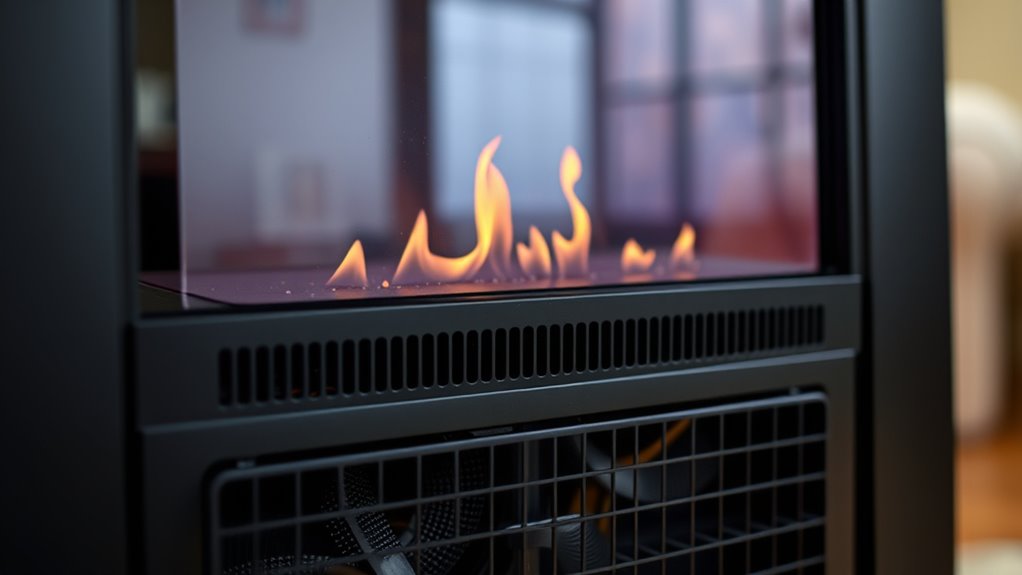
If your electric fireplace fan isn’t blowing or working, start by checking for obstructions, dirt, or dust around vents and the fan itself, as these can block airflow. Then, verify the electrical supply is functioning by inspecting circuit breakers and outlets. If the wiring and switches seem fine, the motor or internal components might need repair or replacement. For persistent issues, troubleshooting the control switches or consulting a technician can help. Keep going to learn more solutions.
Key Takeaways
- Check for blocked or dirty vents and clean them to ensure proper airflow.
- Inspect and test the fan motor; replace if it’s burned out or faulty.
- Verify the electrical supply, reset circuit breakers, and confirm the outlet functions correctly.
- Test control switches or thermostats for malfunctions and replace if necessary.
- Consult a technician if internal electrical components or persistent issues are present.
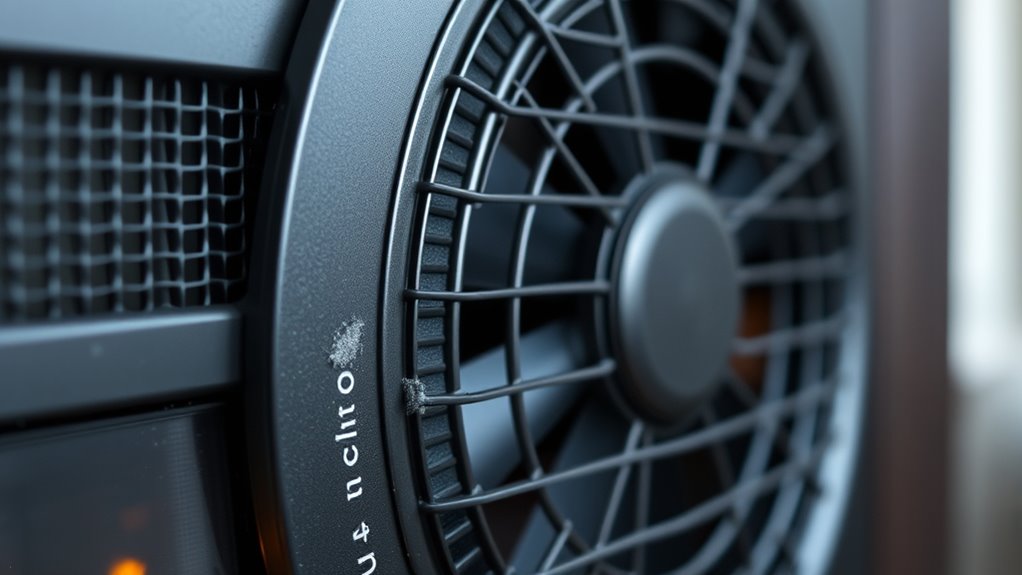
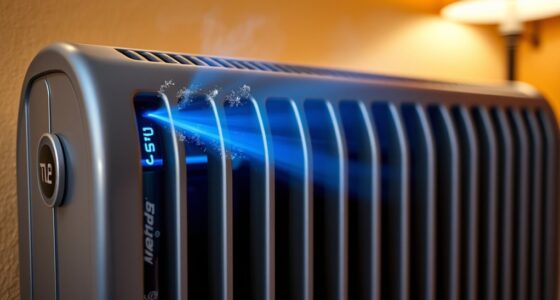
An electric fireplace fan is an essential accessory that enhances the warmth and comfort of your electric fireplace. When it stops blowing or isn’t working at all, it can considerably reduce the cozy atmosphere you want to create. The first thing to consider is whether ventilation issues might be causing the problem. Proper airflow is vital for your fan to operate efficiently, and if vents are blocked or dirty, the fan may struggle to circulate air properly. Check around the fireplace for dust, debris, or any obstructions that could hinder airflow. Cleaning these areas can often resolve minor ventilation issues without needing further repairs.
If cleaning doesn’t help, the next step is to examine the fan itself. Sometimes, the fan motor can burn out or become faulty over time, especially if the fan has been running continuously for years. A faulty fan motor replacement is a common solution for fans that won’t turn on or produce airflow. Replacing the motor involves unplugging the unit, removing the fan cover, and disconnecting the old motor before installing a new one. If you’re comfortable with basic electrical work, this is a manageable DIY task, but otherwise, calling in a professional guarantees safety and proper installation.
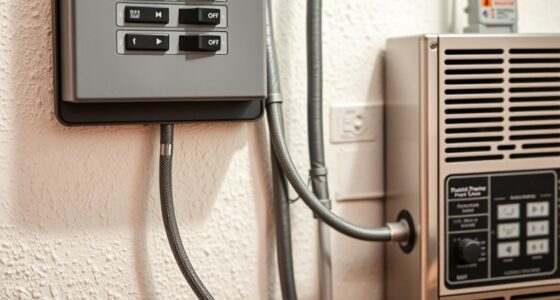
Another reason your electric fireplace fan might not be working is a blown fuse or a tripped circuit breaker. These electrical issues can prevent the fan from receiving power, so it’s worth inspecting your home’s electrical panel. Reset any tripped breakers and replace blown fuses as needed. Sometimes, the problem isn’t within the fireplace itself but with the power supply. Make sure the unit is properly plugged in and that the outlet is functioning correctly by testing it with another device.
Additionally, consider the thermostat or control switch for the fan. If these components malfunction, the fan may not activate even if everything else seems fine. Testing or replacing defective switches can restore proper operation. If you’ve gone through all these troubleshooting steps and your fan still isn’t working, it could be an internal electrical component failure beyond just the motor. In this case, consulting a qualified repair technician can help identify and fix the underlying issue.
Regular maintenance, such as cleaning vents and inspecting electrical connections, can prevent future problems. Also, understanding ventilation and airflow issues can help you diagnose similar problems in other appliances. By taking these steps, you’ll ensure your electric fireplace continues to deliver the warmth and ambiance you enjoy, making your space more inviting and comfortable.

EUHOMY 50 Inch Electric Fireplace Wall Recessed and Wall Mounted with Adjustable Flame Color, Fireplace Heater with Remote Control, Linear Fireplace with Timer, Touch Screen, Log & Crystal, 750/1500W
Package Inclusions & 2-Year Technical Support: : The EUHOMY electric fireplace is equipped with 1* carbon log, 1*...
As an affiliate, we earn on qualifying purchases.
Frequently Asked Questions
How Do I Reset the Electric Fireplace Fan?
To reset your electric fireplace fan, first unplug the unit and wait a few minutes. Check the fan motor for dust or debris during fan motor troubleshooting. If needed, gently clean or replace the blower assembly for proper operation. Once reassembled, plug the fireplace back in and turn it on. This simple reset helps restore the fan’s function and guarantees smooth blower assembly repair.
Can I Use the Fan Without the Heater On?
Yes, you can usually operate the fireplace fan without turning on the heater, but proceed with caution. While it might seem harmless, understanding fireplace fan operation and fan usage safety is vital. Before doing so, check your model’s manual to guarantee safe operation. Keep in mind, fans are designed to work with the heater in many cases, so running it alone could pose risks or affect its longevity. Stay safe and informed.
What Are Common Reasons for Fan Failure?
Fan failure often stems from a faulty fan motor or wiring issues. You might notice the fan isn’t spinning because the motor has burned out or the wiring connection is loose or damaged. Over time, dust buildup can also hinder movement. To fix it, check the wiring for loose connections, and consider replacing the motor if it’s burnt out. Regular maintenance helps prevent these common issues and keeps your fan working smoothly.
Is It Safe to Repair the Fan Myself?
You might wonder if it’s safe to repair the fan yourself, but it’s best to approach DIY safety with caution. While some minor fixes can be manageable, electrical components pose risks if mishandled. Investigate whether your skills match the repair task, and consider professional repair for complex issues. Prioritize safety, follow manufacturer guidelines, and don’t hesitate to call a professional if you’re unsure—your safety comes first.
How Often Should I Clean the Fireplace Fan?
You should clean your fireplace fan at least once every three to six months as part of your fan maintenance routine. Regular cleaning helps prevent dust buildup, which can hinder airflow and cause the fan to stop working. During your cleaning schedule, turn off and unplug the unit, then gently remove debris and dust from the blades and vents. Keeping up with this upkeep guarantees your fan runs smoothly and efficiently.
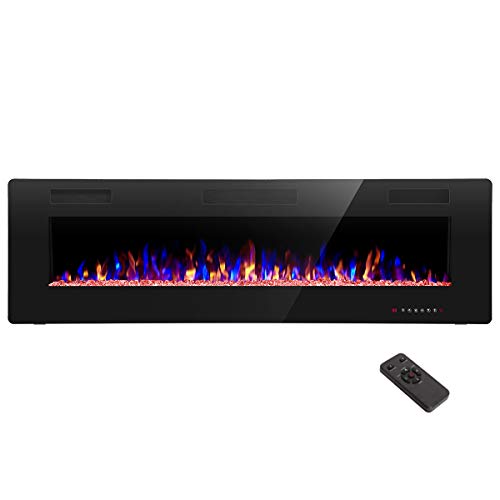
R.W.FLAME 60" Recessed and Wall Mounted Electric Fireplace, Low Noise, Fit for 2 x 6 Stud, Remote Control with Timer, Touch Screen, Adjustable Flame Color and Speed, 750-1500W
Attractive and Practical Design: 3.86"D x 60"W x 18.11"H,The thickness of the new style is only 3.86 inches...
As an affiliate, we earn on qualifying purchases.
Conclusion
If your electric fireplace fan isn’t blowing, don’t give up just yet. There might be a simple fix hiding beneath the surface, or something more serious waiting to be uncovered. Could this be a sign of a larger issue? Keep troubleshooting, and stay alert—you never know what you might discover. Your cozy warmth depends on it. Are you ready to uncover the secret behind the silence? The solution might be closer than you think.

Westinghouse 60 Inch Electric Fireplace Heater, Compatible with Alexa & Google Home, Wall Mount or in-Wall Recessed Fireplace Insert, 24 Hour Timer, Color Changing Flames, 750W/1500W Indoor Heater
CUSTOMIZE APPEARANCE: Up to 144 total color combinations for flames and embers, 5 independent brightness levels, and 5...
As an affiliate, we earn on qualifying purchases.

Touchstone Smart Electric Fireplace-The Sideline 50" Wide-in Wall Recessed - 30 Realistic Ember Color/Flame Options - 1,500W Heater w/Thermostat - Log & Crystal Hearth Options - Alexa/WiFi Enabled
APPEARANCE: The Sideline electric fireplace is designed for recessed in-wall mounting. Creating a cozy atmosphere of a traditional...
As an affiliate, we earn on qualifying purchases.