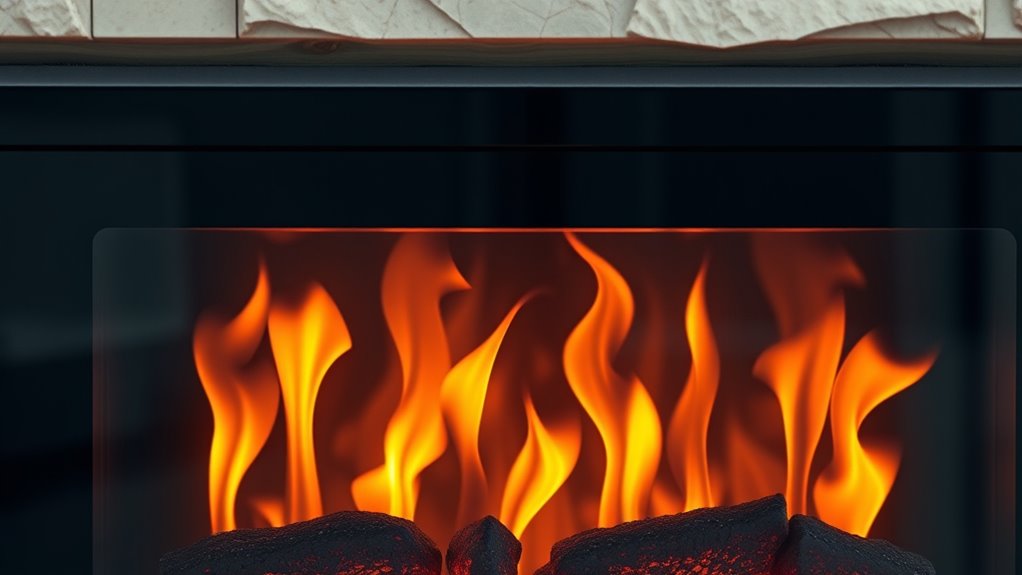

If your electric fireplace lights are flickering or dim, start by checking the power source, outlets, and cords for damage or loose connections. Make sure your bulbs are properly installed and not burnt out, and replace them if needed. If the problem persists, internal wiring or connectors might be faulty, which can be complex and may require professional help. For a full understanding of troubleshooting steps, keep going to find out more.

Get home appliances delivered free — and shop member deals
- Fast, free delivery on millions of items
- Access to Prime Big Deal Days deals on October 6–7
- Prime Video, Amazon Music and more included
Key Takeaways
- Check for loose or damaged power cords and outlets, and try plugging into a different wall socket.
- Inspect and replace any burnt-out or faulty bulbs with the correct wattage and type.
- Look for internal wiring issues or loose connectors inside the fireplace, which may require professional help.
- Ensure your home’s electrical system can support the fireplace’s power demands, possibly consulting an electrician.
- If problems persist, contact a professional electrician to diagnose and repair internal wiring or electrical faults.
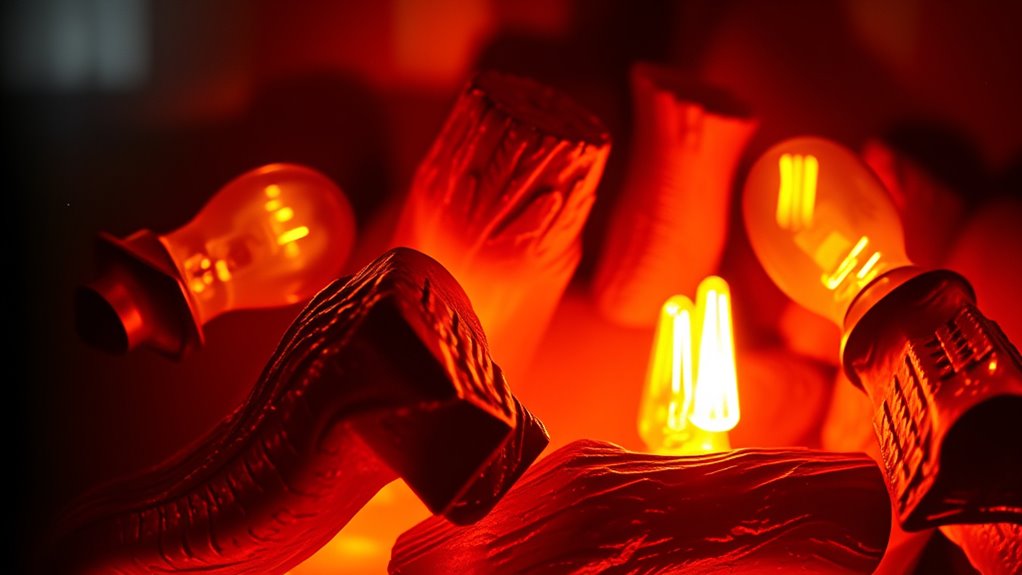
Electric fireplace lights enhance the ambiance of your space by providing a warm, realistic glow without the need for traditional flames. Still, if your lights start flickering or appear dim, it can diminish the cozy atmosphere you’re aiming for. Fortunately, most issues are straightforward to troubleshoot and fix.
One common cause of flickering or dimming is power supply issues. If your electric fireplace isn’t receiving consistent power, the lights will struggle to operate properly. Check the outlet and power cord for any damage or loose connections. Sometimes, plugging the fireplace into a different outlet can help determine if the problem stems from the power source. If your fireplace is connected to a power strip or extension cord, try removing it and plugging directly into a wall outlet. Fluctuations in voltage or circuit overloads can cause lights to flicker or dim unexpectedly. If you find that the power supply is inconsistent, consider consulting an electrician to confirm your home’s wiring can support your fireplace’s power needs. Ensuring your electrical system is sufficient is especially important given the global entertainment industry and the high energy demands of modern appliances.
Another frequent cause of lighting issues is bulb replacement. Many electric fireplaces use LED or incandescent bulbs to produce their glowing effect. Over time, these bulbs can burn out or become less effective, leading to dim or flickering lights. If you notice the lights are uneven or completely out, check the bulbs inside your unit. Turn off and unplug your fireplace before inspecting. Remove the panel or access door to reach the bulbs carefully. If the bulbs appear burnt out or damaged, replace them with new ones specified by the manufacturer. Using the correct wattage and type is essential to avoid further issues. Sometimes, flickering can be caused by loose bulbs—ensure they are securely installed. After replacing or adjusting the bulbs, restore power and turn on your fireplace to see if the lighting has improved.
In some cases, flickering or dimming could also be due to faulty wiring or connectors inside the fireplace. If you’ve checked the power supply and replaced bulbs, but the problem persists, it might be time to contact a professional. Internal wiring issues can be more complex and require specialized knowledge to resolve safely.
electric fireplace LED bulb replacement
As an affiliate, we earn on qualifying purchases.
As an affiliate, we earn on qualifying purchases.
Frequently Asked Questions
Can Flickering Lights Indicate a Safety Hazard?
Yes, flickering lights can signify a safety hazard. They often result from issues like faulty electrical wiring or power surges, which can lead to electrical fires or damage to your appliances. If you notice flickering, you should turn off the electric fireplace and check your wiring or call an electrician. Addressing these issues promptly guarantees your safety and prevents potential electrical failures or hazards.
Are Dim Lights a Sign of an Internal Malfunction?
Yes, dim lights often scream internal malfunction louder than a bad sitcom. You might be nearing the end of your bulb’s lifespan or facing faulty electrical wiring, which can cause inconsistent glow. Don’t ignore it—these issues can escalate, risking safety and further damage. Check your bulb first; if that’s not the culprit, it’s wise to have a professional inspect your wiring to keep your fire glowing safely and brightly.
How Often Should I Replace the Bulbs in My Electric Fireplace?
You should replace the bulbs in your electric fireplace about every 2,000 to 3,000 hours of use, depending on their bulb lifespan. Check your user manual for specific replacement frequency recommendations. If the lights are flickering or dimming, it might be time for new bulbs. Regularly replacing bulbs guarantees consistent lighting and prevents internal malfunctions, helping your fireplace operate smoothly and look its best.
Do Dim or Flickering Lights Affect the Heater’s Performance?
Dim or flickering lights don’t typically impact your heater’s performance directly, but they could signal issues with bulb replacement or electrical wiring. If the bulbs are nearing the end of their life, they may flicker or appear dim, so replacing them might solve the problem. Also, check your electrical wiring for loose connections or damage, as these can cause lighting issues and potentially affect your heater’s efficiency over time.
Is It Safe to Use the Fireplace With Flickering or Dim Lights?
Think of your fireplace lights as the glow of a candle’s flame—flickering or dim lights are mostly a visual cue, not a safety threat. It’s safe to use, but these issues can impact your fireplace’s aesthetics and energy efficiency. If the lights bother you or seem unstable, it’s wise to check the wiring or bulbs. Prioritizing maintenance keeps your fireplace both beautiful and efficient, so enjoy the cozy ambiance without worry.
electric fireplace flickering light repair kit
As an affiliate, we earn on qualifying purchases.
As an affiliate, we earn on qualifying purchases.
Conclusion
When your electric fireplace lights flicker or dim, you can troubleshoot the issue with confidence, check the power supply, and inspect the bulbs. When you replace faulty parts, reset the system, and clean the fixtures, you restore brightness and consistency. When you address the problem promptly, you guarantee safety, enhance ambiance, and enjoy a cozy environment. By staying attentive and proactive, you keep your electric fireplace glowing brightly, creating warmth and comfort whenever you need it most.
electric fireplace power cord replacement
As an affiliate, we earn on qualifying purchases.
As an affiliate, we earn on qualifying purchases.
electric fireplace internal wiring repair
As an affiliate, we earn on qualifying purchases.
As an affiliate, we earn on qualifying purchases.
NFL season / tailgating Picks
team gear
As an affiliate, we earn on qualifying purchases.