
Your breaker trips to protect your home when your heater pulls too much current or develops a fault, preventing electrical fires or shocks. Common causes include overloads, faulty wiring, dirty or damaged heating elements, or age-related wear. Proper maintenance and wiring are key to safety, but if your breaker trips repeatedly or you notice signs of damage, it’s best to get professional help. Keep exploring to learn how to keep your heater and home safe.
Key Takeaways
- Breakers protect your home by shutting off power during electrical overloads or shorts, preventing fires and damage.
- Heater breaker trips often result from faulty wiring, worn components, or overheating caused by dirt or age.
- Regular maintenance and inspections can identify issues like damaged elements or loose connections before safety risks occur.
- Overloading circuits or power surges can cause breakers to trip, indicating the need to reduce demand or fix underlying problems.
- Repeated breaker trips or signs of overheating require professional diagnosis to ensure electrical safety and prevent hazards.

EUHOMY 50 Inch Electric Fireplace Wall Recessed and Wall Mounted with Adjustable Flame Color, Fireplace Heater with Remote Control, Linear Fireplace with Timer, Touch Screen, Log & Crystal, 750/1500W
Package Inclusions & 2-Year Technical Support: : The EUHOMY electric fireplace is equipped with 1* carbon log, 1*...
As an affiliate, we earn on qualifying purchases.
Understanding How Breakers Protect Your Home
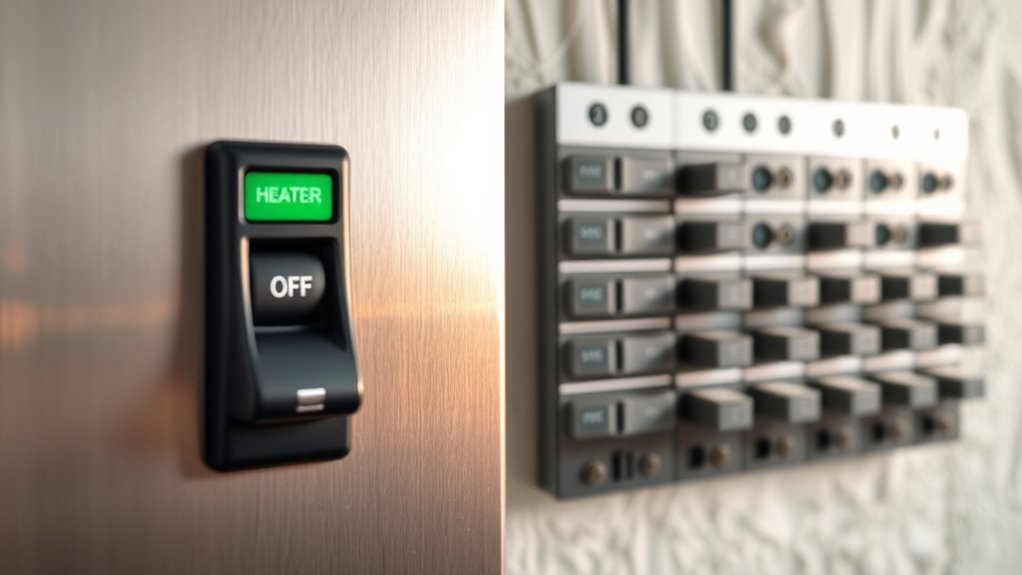
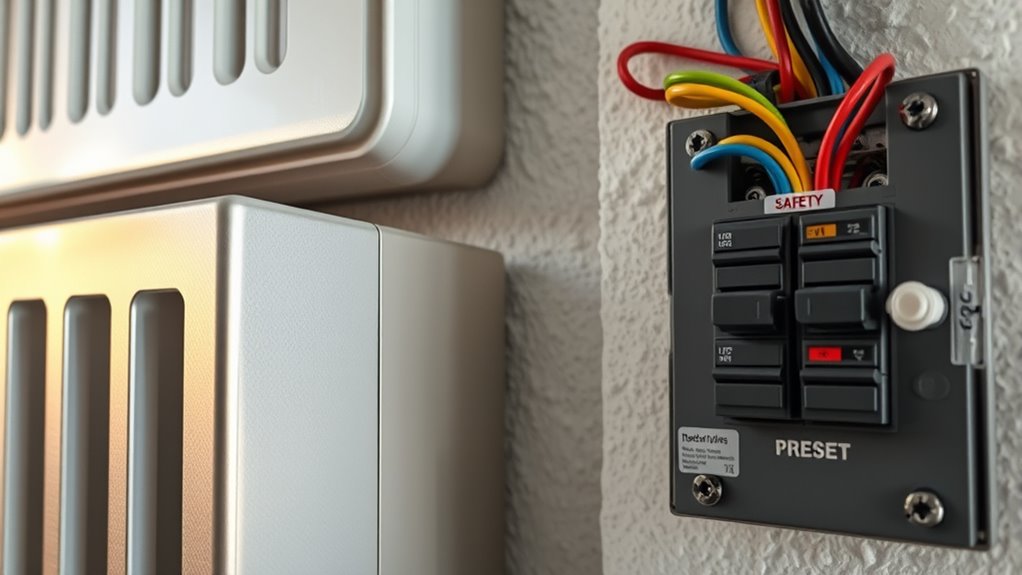
Breakers are essential safety devices that protect your home from electrical overloads and short circuits. When your heater trips the breaker, it’s often because of a power surge or thermostat issues causing excess current flow. A power surge can happen during storms or when large appliances turn on, overwhelming your electrical system. Thermostat problems, like a malfunctioning sensor or incorrect settings, can also cause your heater to draw too much power, triggering the breaker. These safety devices detect abnormal current levels and shut off the power to prevent damage or fire. Understanding this, it’s clear that breakers act as your first line of defense, stopping dangerous electrical situations before they escalate. This helps keep your home safe and your electrical system protected.
R.W.FLAME 60" Recessed and Wall Mounted Electric Fireplace, Low Noise, Fit for 2 x 6 Stud, Remote Control with Timer, Touch Screen, Adjustable Flame Color and Speed, 750-1500W
Attractive and Practical Design: 3.86"D x 60"W x 18.11"H,The thickness of the new style is only 3.86 inches...
As an affiliate, we earn on qualifying purchases.
Common Reasons Your Heater Might Trip the Breaker

Have you ever wondered why your heater keeps tripping the breaker? Several common reasons could be behind this issue. One cause is a malfunctioning thermostat, which messes with temperature regulation and causes the heater to work harder, increasing the risk of trips. Worn-out or frayed wiring can create short circuits, disrupting energy efficiency and safety. Over time, dust and debris buildup inside your heater can cause overheating, leading to breaker trips. A faulty heating element may draw excessive current, triggering the breaker automatically. Ultimately, an overloaded circuit can’t handle the heater’s power demands, especially if multiple appliances run simultaneously. Additionally, remote hackathons can sometimes be a good resource for troubleshooting or learning about electrical issues, as they foster collaboration and share innovative solutions. By identifying these issues, you can improve your heater’s energy efficiency and prevent unnecessary breaker trips, ensuring safe and consistent heating in your home.

Touchstone Smart Electric Fireplace-The Sideline 50" Wide-in Wall Recessed - 30 Realistic Ember Color/Flame Options - 1,500W Heater w/Thermostat - Log & Crystal Hearth Options - Alexa/WiFi Enabled
APPEARANCE: The Sideline electric fireplace is designed for recessed in-wall mounting. Creating a cozy atmosphere of a traditional...
As an affiliate, we earn on qualifying purchases.
Electrical Overload and Its Impact on Your Heater

When multiple appliances or devices draw power from the same circuit, it can lead to electrical overloads that strain your heater’s electrical system. Overloads happen when the demand exceeds the circuit’s capacity, risking damage or breaker trips. Power surges from lightning or faulty wiring can cause sudden overloads that stress your heater. Thermostat malfunctions may also cause your heater to run continuously, increasing current flow and risking overloads. Here’s a quick overview:
| Cause | Effect |
|---|---|
| Power surges | Overload, potential breaker trips, damage to components |
| Thermostat issues | Continuous operation, excessive current, overheating |
| Multiple devices | Increased demand, overload risk |
| Faulty wiring | Unexpected overloads, potential safety hazards |
Stay alert to these issues to keep your heater running safely and efficiently. Proper maintenance of electrical systems can help prevent overloads and ensure safe operation.

Westinghouse 60 Inch Electric Fireplace Heater, Compatible with Alexa & Google Home, Wall Mount or in-Wall Recessed Fireplace Insert, 24 Hour Timer, Color Changing Flames, 750W/1500W Indoor Heater
CUSTOMIZE APPEARANCE: Up to 144 total color combinations for flames and embers, 5 independent brightness levels, and 5...
As an affiliate, we earn on qualifying purchases.
The Role of Short Circuits in Breaker Trips
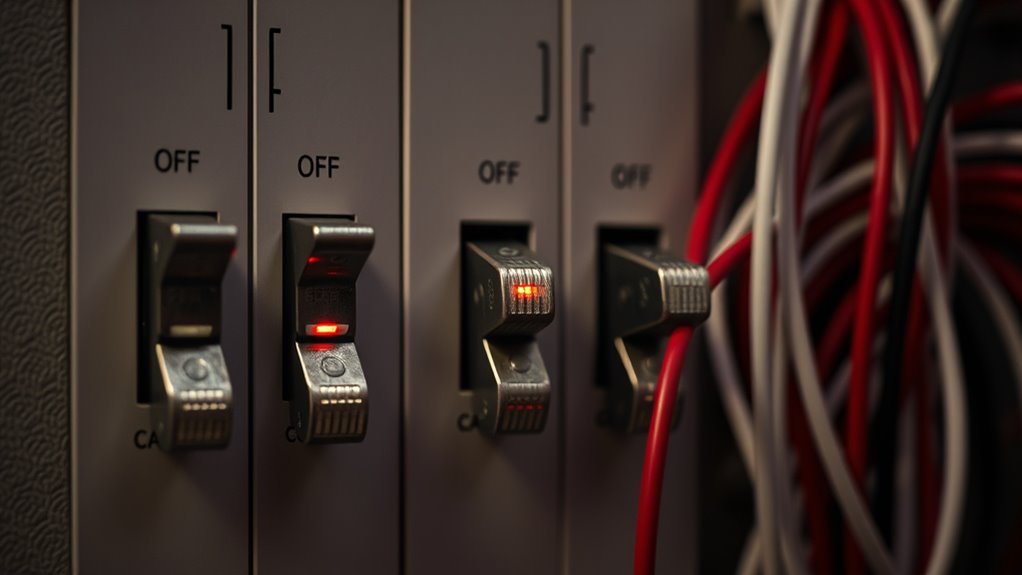
Short circuits happen when electrical current finds an unintended path, often caused by damaged wiring or faulty components. This sudden surge triggers your breaker to trip, protecting your system from damage. Learning how to detect and prevent short circuits helps keep your heater safe and running smoothly. Understanding the electrical system’s performance can further assist in identifying potential issues before they cause a trip.
How Short Circuits Occur
Short circuits happen when unintended connections create a low-resistance path for electrical current, bypassing the normal circuit. This can occur due to damaged wiring, loose connections, or exposed conductors touching metal surfaces. When a short develops, the current sharply increases, often exceeding the fuse ratings, causing the fuse or breaker to trip to prevent damage or fire. Understanding circuit diagrams helps you identify potential problem areas where shorts might occur. Keep in mind that improper wiring or using fuses with incorrect ratings can worsen the situation. Here are common causes of short circuits:
- Damaged insulation exposing wires
- Loose wire connections
- Frayed or broken cords
- Metal objects bridging conductors
- Overloaded circuits or incorrect fuse ratings
- The increasing use of automation technologies in residential and commercial electrical systems can also contribute to complex wiring setups, which may raise the risk of short circuits if not properly managed.
Impact on Breaker Function
Short circuits play a critical role in triggering circuit breaker trips by causing a sudden spike in electrical current. When a short occurs, it creates a power surge that overloads the breaker’s capacity, prompting it to trip and protect the circuit. Sometimes, thermostat malfunctions can lead to unexpected short circuits, as they cause the heater to turn on or off at incorrect times, increasing the risk of a power surge. This surge can damage wiring or other components if the breaker doesn’t trip quickly enough. Fundamentally, short circuits challenge the breaker’s ability to maintain safe operation, making it essential for the breaker to respond swiftly to prevent overheating, fire hazards, or equipment damage. Additionally, understanding best anime movies can help in relaxation after troubleshooting electrical issues.
Detecting and Preventing
Detecting and preventing short circuits is essential to guaranteeing your heater’s safety and maintaining proper breaker function. Proper circuit design helps minimize the risk of shorts by using appropriate wiring and insulation. Always check your breaker ratings to ensure they match your heater’s power requirements, preventing overloads. Regular inspections can catch loose connections or damaged wires before they cause problems. Consider these key points:
- Use correctly rated breakers for your heater’s wattage
- Inspect wiring for signs of wear or damage
- Keep circuits organized to avoid accidental shorts
- Install protective devices like ground-fault interrupters
- Ensure your circuit design follows electrical codes
- Understanding Soul Sanctuaries can help inform safer electrical practices in your home.
Dirty or Faulty Heating Elements and Safety Risks
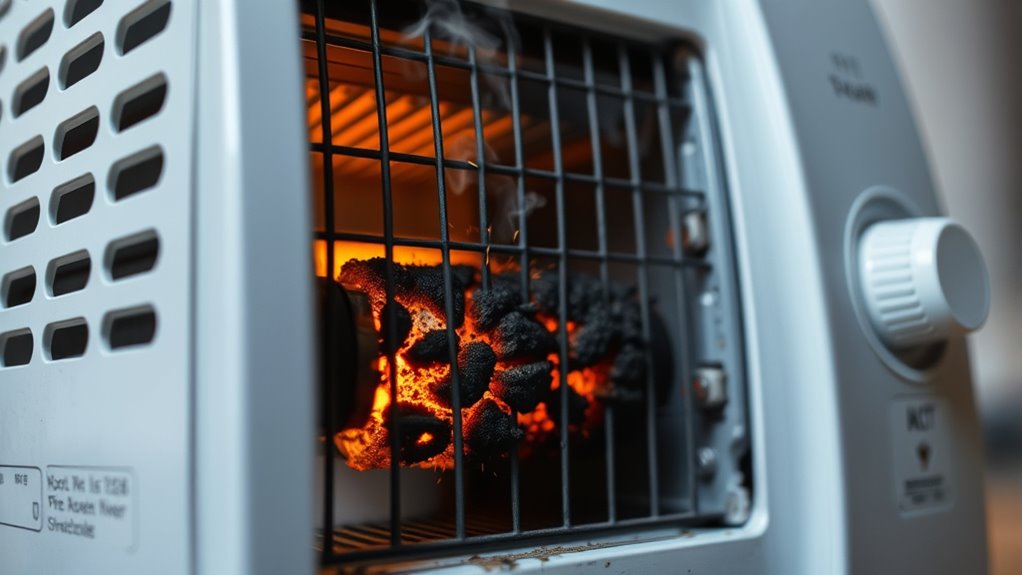
Dirty or faulty heating elements can cause damage over time, increasing the risk of electrical issues. When elements wear out or become corroded, they may trip the breaker or even create sparks. Recognizing these risks is key to maintaining safety and preventing potential hazards. Additionally, regular inspection and maintenance can help identify wear and tear before it leads to more serious problems.
Causes of Element Damage
Faulty or contaminated heating elements can cause significant damage to your heater and pose safety risks. When elements deteriorate, issues like thermal expansion can lead to cracks, and insulation failure may occur, increasing the risk of shorts or fires. Damage often results from:
- Accumulated dirt or debris causing overheating
- Corrosion weakening the element structure
- Excessive thermal expansion leading to cracks
- Insulation failure exposing live components
- Repeated heating cycles degrading the element material
These problems can cause the element to short circuit or malfunction, risking electrical faults or breaker trips. Regular inspection and maintenance help prevent these issues, ensuring your heater’s safety and longevity. Proper maintenance practices can significantly reduce the risk of element damage and safety hazards. Addressing damage early can save you from costly repairs and safety hazards.
Safety Hazards Involved
When heating elements become dirty or develop faults, they pose serious safety risks that can endanger your property and personal safety. Dirty or damaged elements can overheat, increasing the risk of fire hazards that might start unnoticed until significant damage occurs. Faulty elements can also cause electrical shocks if exposed wiring or broken insulation comes into contact with water or your skin. These hazards become more dangerous when the heater’s safety features fail or are ignored. Ignoring signs of wear or damage can lead to electrical shorts, fires, or injuries. Regular maintenance and inspections are essential to prevent these risks. Staying alert to any signs of trouble helps ensure your heater operates safely, protecting both your home and your well-being. Properly functioning heating elements are crucial for the overall safety of your heating system, as vetted 1st Home Theatre Projector ensures optimal performance and safety standards.
The Importance of Proper Wiring and Connections
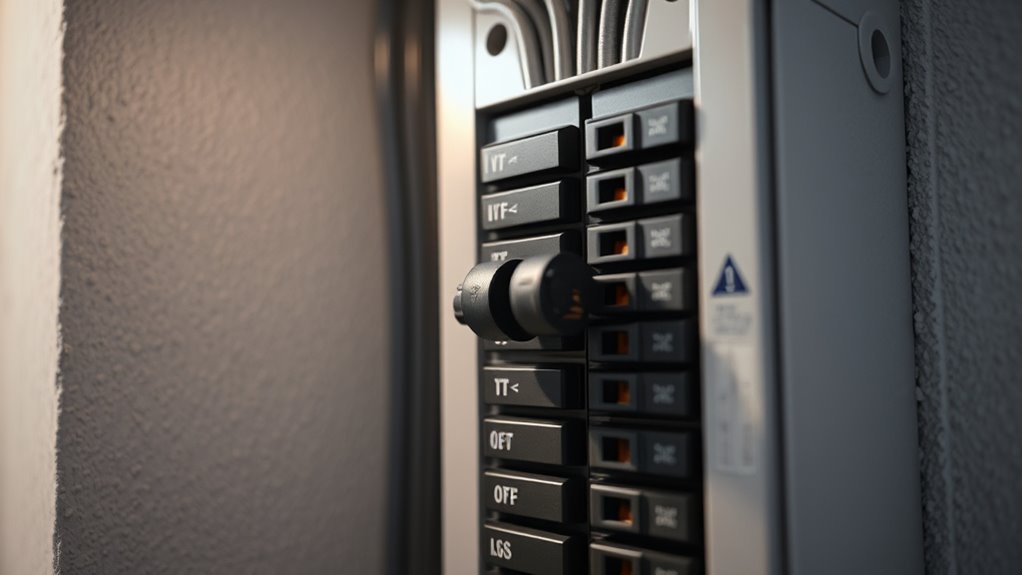
Proper wiring and connections are vital to ensuring your heater operates safely and reliably. When wiring follows proper wiring standards, it reduces the risk of shorts and tripping breakers. Connection quality is essential; loose or faulty connections can cause overheating or arcing, leading to breaker trips. To guarantee safety, check that:
Proper wiring and secure connections are essential for safe, reliable heater operation.
- Wiring meets local wiring standards
- Connections are tight and secure
- Proper gauge wire is used
- No exposed or damaged wires are present
- Connections are free of corrosion or debris
Poor wiring or connections compromise safety and can cause electrical failures. Always use certified materials and follow manufacturer instructions. Regular inspection of wiring and connections helps prevent issues before they become dangerous, ensuring your heater functions smoothly and safely. Additionally, maintaining your electrical system according to lifestyle safety practices reduces the likelihood of breaker trips and other hazards.
How Age and Wear Affect Your Heater’s Electrical Safety
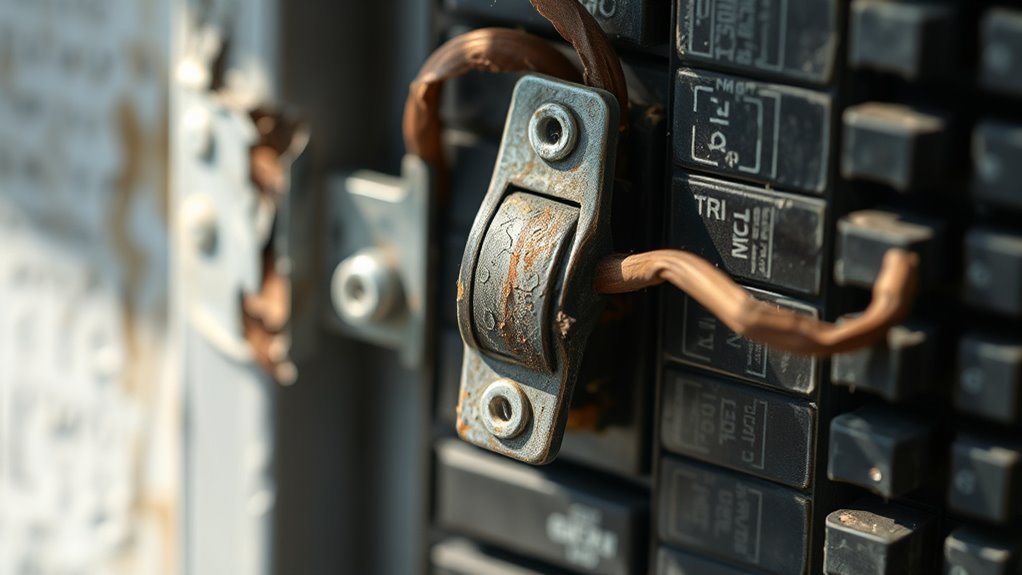
As your heater ages, its electrical components naturally deteriorate, increasing the risk of safety issues. Over time, insulation can wear down, connections may loosen, and parts can become corroded, making electrical faults more likely. Regular heater maintenance helps identify these problems early before they lead to breaker trips or safety hazards. An electrical inspection by a professional can spot hidden issues like worn wiring or damaged parts that you might miss. As components age, their ability to handle electrical loads diminishes, raising the chances of short circuits or overheating. Staying proactive with maintenance and inspections ensures your heater remains safe to operate and reduces the chances of breaker trips caused by aging or worn electrical parts.
When to Seek Professional Help for Heater Breaker Trips
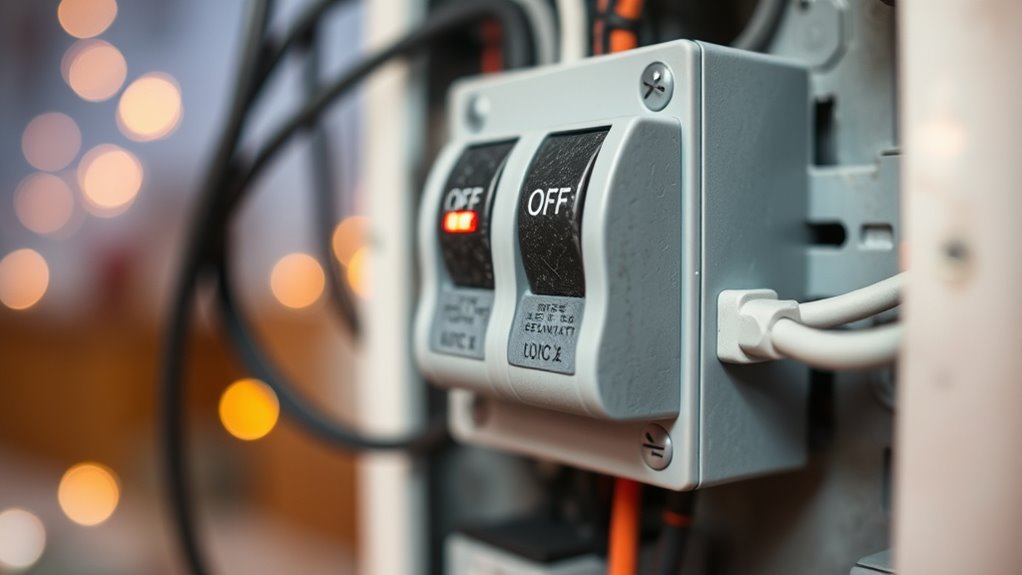
If your heater repeatedly trips the breaker, it’s a clear sign that you should call a professional electrician. Persistent trips may indicate underlying issues like thermostat malfunctions or faulty wiring that pose safety risks. An expert can diagnose the problem, especially since different circuit breaker types respond differently to overloads. Don’t ignore signs like frequent trips, burning smells, or flickering lights. Seek help if you notice:
Repeated breaker trips indicate underlying electrical issues requiring professional diagnosis and repair.
- Thermostat malfunctions causing inconsistent heating
- Frequent breaker trips despite resetting
- Signs of overheating or burning odors
- Old or worn circuit breakers needing replacement
- Difficulty resetting or resetting only to trip again
Addressing these issues promptly prevents further damage and ensures your heater operates safely. Remember, electrical problems aren’t DIY fixes—they require a skilled professional.
Tips to Prevent Future Breaker Trips and Keep Safe

To prevent future breaker trips and guarantee your heater operates safely, start by regularly inspecting your electrical system for signs of wear or damage. Verify all wiring is intact and connections are secure. Proper energy efficiency also helps reduce strain on the breaker—avoid overloading circuits by not plugging in too many devices. Adjust your thermostat settings to avoid excessive heat demand, which can trip the breaker. Keep the heater clean and free of dust, which can cause overheating. Consider upgrading your breaker if it’s outdated or overloaded. Regular maintenance and mindful thermostat adjustments promote energy efficiency and protect your electrical system. These steps help prevent trips, extend your heater’s lifespan, and keep your home safe.
Frequently Asked Questions
Can a Breaker Trip Without Any Visible Signs of Electrical Issues?
Yes, your breaker can trip without visible signs of electrical issues. Electrical surges or faulty wiring might cause a breaker to trip unexpectedly, even if you don’t see any obvious damage or sparks. These hidden problems can overload the circuit or create dangerous conditions. If your breaker trips frequently without clear signs, it’s best to get a professional to inspect your wiring and protect your safety.
How Often Should I Have My Heater’s Electrical System Inspected?
You should schedule an electrical inspection of your heater at least once every year or according to your maintenance schedule. Regular check-ups help verify your system complies with electrical codes and prevent issues like breaker trips. If you notice any signs of trouble, such as frequent breaker trips or unusual noises, get it inspected sooner. Staying proactive keeps your heater running safely and efficiently, reducing the risk of electrical hazards.
Are There Specific Heater Models More Prone to Breaker Trips?
Imagine a heater brand with a reputation for frequent breaker trips, making your electrical system feel like it’s constantly on edge. Certain models, especially older or less compatible with your breaker, are more prone to trips. It’s vital to check breaker compatibility before installation. If your heater’s model isn’t designed for your breaker type, it can overheat or trip more often, so research and choose a reliable brand to guarantee smooth, safe operation.
What Safety Precautions Should I Take Before Resetting a Tripped Breaker?
Before resetting a tripped breaker, always prioritize safety. Turn off the heater and wear safety gear like gloves and eye protection to guard against electrical hazards. Make certain the area is dry and clear of water or conductive materials. If you’re unsure why the breaker tripped, consult a professional. Never force the breaker back on if you notice burning smells or damage, as this can pose serious electrical hazards.
Can Improper Thermostat Settings Cause Breaker Trips?
Did you know that improper thermostat settings cause about 30% of breaker trips? Yes, incorrect thermostat calibration or poor temperature regulation can overwork your heater, leading to overloads and breaker trips. When your thermostat isn’t set right, it signals your system to run excessively or ineffectively, increasing electrical stress. Always make certain your thermostat is properly calibrated and set to appropriate temperatures to prevent unnecessary trips and keep your heater running smoothly.
Conclusion
Think of your electrical system as a vigilant guardian, always on guard to protect your home. When your heater trips the breaker, it’s like the guardian sounding the alarm to stop danger from spreading. By understanding its signals and respecting its warnings, you keep your home safe and warm. Stay attentive, perform regular checks, and call a professional when needed—your guardian’s vigilance keeps everything running smoothly and safely, night and day.