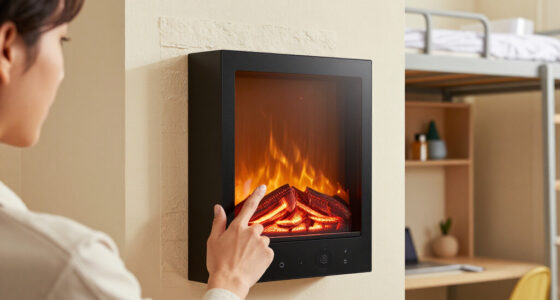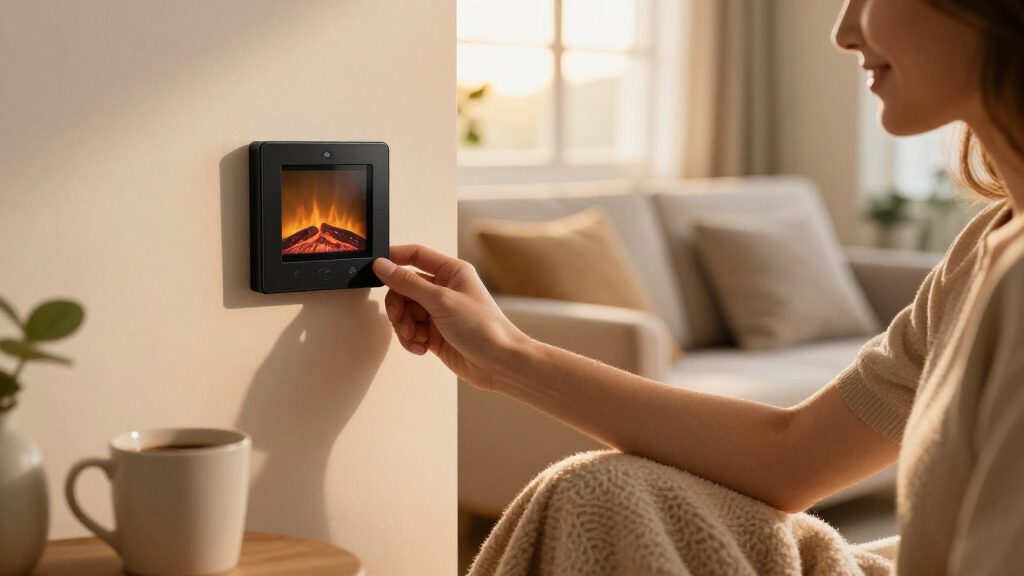

Smart electric fireplace thermostats fall into two camps: dedicated high-voltage controls like the Mysa V2, which is my best overall pick for electric baseboard and fireplace circuits thanks to precise line-voltage switching and slick scheduling, and mainstream low-voltage models like the Amazon Smart Thermostat and Sensi Touch 2, which work when your fireplace ties into a central HVAC-style setup. The main tradeoff is compatibility — line-voltage heaters (240V) demand a thermostat built for high current, while plug-in and built-in fireplace units like the Touchstone Forte 40 handle climate control through their own Wi-Fi systems. Budget matters too: Matter-enabled options such as the Meross undercut Mysa by a wide margin, but give up some refinement. Read on for the full breakdown of all ten options and which one fits your wiring.
Play games included with Prime
Start a Prime free trial and play with Amazon Luna on your devices.
Start playingAs an affiliate, we earn on qualifying purchases.
Complete the kit

Key Takeaways
- Voltage compatibility is the single deciding factor in this roundup: amazon.com/dp/B0F5BVD9FM?tag=electricfireplacehq-20&ascsubtag=dc-957510″ target=”_blank” rel=”nofollow sponsored noopener”>Mysa V2, Mysa LITE, and Meross are the only true line-voltage picks, while Honeywell, Sensi, and Amazon models require a low-voltage or HVAC-tied fireplace setup.
- The Mysa V2 earns best overall for combining 240V switching with geofencing and multi-zone scheduling; the LITE hits best value by dropping sensors and room-sharing features while keeping core control.
- The two Touchstone fireplaces bundle the thermostat problem into the appliance itself — the right choice only if you’re replacing the whole unit, not adding control to an existing one.
- The Honeywell RTH9600WF and RTH9585WF are nearly twins; the 9600WF’s slimmer ranking reflects its higher price for color-screen features most fireplace users won’t touch.
- The Amazon Smart Thermostat is the cheapest credible pick here, but its lack of a battery backup and C-wire flexibility makes it a gamble in older homes with fireplace circuits.
| Mysa Smart Thermostat LITE for Electric Baseboard Heaters |  | Best Value | Compatibility: 120V-240V electric baseboard, fan-forced, wall, and convector heaters | Connectivity: WiFi, HomeKit, Alexa, Google Assistant | Installation: DIY, 4 wires required, app-guided | VIEW LATEST PRICE | See Our Full Breakdown |
| Honeywell Home RTH9600WF Smart Color Thermostat |  | Best for Whole-Home HVAC | Energy Star Certified: Yes | Connectivity: Wi-Fi | Display: High-definition color touchscreen | VIEW LATEST PRICE | See Our Full Breakdown |
| Mysa Smart Thermostat V2 for Electric Baseboard Heaters |  | Best Overall | Voltage: 120V-240V, heating only | Max Wattage: 3,800 watts | Connectivity: Wi-Fi, NFC pairing | VIEW LATEST PRICE | See Our Full Breakdown |
| Meross Matter Smart Thermostat for Electric Baseboard Heaters |  | Best Smart Home Future-Proofing | Compatibility: 120-240 VAC electric baseboard and convector heaters | Not Compatible With: 24V HVAC systems | Connectivity: Wi-Fi with Matter support | VIEW LATEST PRICE | See Our Full Breakdown |
| Touchstone Smart Electric Fireplace — The Forte 40″ Recessed Mounted |  | Best All-in-One Fireplace Option | Heat Output: 5,100 BTU | Heating Coverage: Up to 400 sq ft | Power Consumption: 1,500 watts | VIEW LATEST PRICE | See Our Full Breakdown |
| Amazon Smart Thermostat |  | Best for Alexa Households | Compatibility: Works with Alexa and Ring | C-Wire Required: Yes | Energy Savings: Average of $90 annually | VIEW LATEST PRICE | See Our Full Breakdown |
| Touchstone Sideline 50-Inch Recessed Electric Fireplace with WiFi and Remote Control |  | Best Statement Fireplace with Smart Heat | Width: 50 inches | Power: 1500W | Voltage: 110-120V | VIEW LATEST PRICE | See Our Full Breakdown |
| Honeywell Home RTH9585WF Wi-Fi Smart Color Thermostat, 7-Day Programmable, Touch Screen, Energy Star, Alexa Ready |  | Best Display and Scheduling | Programmable Schedule: 7 days, per-day customizable | Display: Color touch screen | Energy Star Certified: Yes | VIEW LATEST PRICE | See Our Full Breakdown |
| Sensi Touch 2 Smart Thermostat Wi-Fi, Alexa, Energy Star Certified, ST76 |  | Best for Whole-Home Temperature Balance | Room Sensors: Supported, sold separately | Energy Savings: Approximately 23% | Certification: Energy Star | VIEW LATEST PRICE | See Our Full Breakdown |
| smart electric fireplace thermostat | Compatibility | Connectivity | Installation |
|---|---|---|---|
| Mysa Smart Thermostat LITE for | 120V-240V electric baseboard, fan-forced, wall, and convector heaters | WiFi, HomeKit, Alexa, Google Assistant | DIY, 4 wires required, app-guided |
| Honeywell Home RTH9600WF Smart | Forced air, hot water, steam, heat pumps with electric backup | Wi-Fi | — |
| Mysa Smart Thermostat V2 for E | — | Wi-Fi, NFC pairing | — |
| Meross Matter Smart Thermostat | 120-240 VAC electric baseboard and convector heaters | Wi-Fi with Matter support | — |
| Touchstone Smart Electric Fire | — | — | Recessed in-wall, max 5.5-inch depth |
| Amazon Smart Thermostat | Works with Alexa and Ring | — | DIY with app guidance |
| Touchstone Sideline 50-Inch Re | — | — | Recessed in-wall; surface-mount with bracket |
| Honeywell Home RTH9585WF Wi-Fi | Forced air, hot water, steam, heat pumps with electric backup | — | — |
| Sensi Touch 2 Smart Thermostat | — | Wi-Fi | DIY with guided app, c-wire required |
More Details on Our Top Picks
Mysa Smart Thermostat LITE for Electric Baseboard Heaters
Mysa LITE delivers most of what makes the Mysa platform popular at a lower price, which is why this pick makes the most sense for budget-conscious buyers with baseboard heat. You still get scheduling, energy tracking, and full Alexa, Google, and HomeKit support, plus a genuinely helpful step-by-step app guide for DIY installation. The tradeoff versus the Mysa V2 is real, though: no geofencing and no adaptive display, so it feels less polished as a device you interact with daily. Compared with the Meross Matter thermostat, the LITE works across more ecosystems out of the box but skips Matter entirely. For straight cost savings of up to 26% on heating bills, this option covers the basics without the premium price tag.
Pros:- Same multi-platform support (Alexa, Google, HomeKit) as the pricier V2
- Genuinely easy DIY install with guided app walkthrough
- Handles 120V-240V across baseboard, fan-forced, and convector heaters
- Energy tracking and scheduling with no monthly fee
Cons:- No geofencing or adaptive display like the Mysa V2
- Advanced features require initial app setup that less tech-savvy users may find fiddly
Best for: Renters and homeowners with electric baseboard or fan-forced heaters who want app scheduling and energy savings without paying for premium extras
Not ideal for: Buyers who want geofencing, adaptive brightness, or automatic away-mode detection — the V2 covers those
- Compatibility:120V-240V electric baseboard, fan-forced, wall, and convector heaters
- Connectivity:WiFi, HomeKit, Alexa, Google Assistant
- Installation:DIY, 4 wires required, app-guided
- Wiring Support:Single-pole and double-pole
- Claimed Energy Savings:Up to 26%
- Warranty:5 years
Our verdict“If you want Mysa’s core smart heating experience for less and can live without geofencing, this is the value pick for high-voltage heat.”
Honeywell Home RTH9600WF Smart Color Thermostat
This model earns its spot as the best pick for conventional HVAC households — the exact opposite of the high-voltage crowd the Mysa units serve. With forced air, hot water, steam, and heat pump compatibility, plus an ENERGY STAR certification and rebate eligibility, it’s built for whole-house systems rather than supplemental electric heaters. The high-definition color touchscreen is the most polished interface in this lineup, and personalized energy tips push beyond simple scheduling. The catch: it will not work with electric baseboard heat at all, so baseboard owners should jump straight to the Mysa LITE or Meross. The C-wire requirement adds friction too — older homes without one will need professional installation, an expense the plug-and-play Mysa options avoid.
Pros:- Works with the widest range of conventional HVAC systems including heat pumps with electric backup
- ENERGY STAR certification unlocks utility rebates
- Customizable color touchscreen is the nicest display here
- Personalized energy-saving tips in the app
Cons:- C-wire required, which may mean professional installation in older homes
- Zero compatibility with electric baseboard or line-voltage heating
Best for: Homeowners with central forced air, heat pump, or hydronic systems who want rebates, remote control, and a premium touchscreen
Not ideal for: Anyone with electric baseboard or line-voltage heaters — it’s simply incompatible
- Energy Star Certified:Yes
- Connectivity:Wi-Fi
- Display:High-definition color touchscreen
- Compatibility:Forced air, hot water, steam, heat pumps with electric backup
- C-Wire Required:Yes
- Includes:Thermostat, wall plate, screws, anchors, quick start guide, wire labels, user guide
Our verdict“The right choice for central HVAC owners chasing rebates and polish — wrong for everyone heating with baseboards.”
Mysa Smart Thermostat V2 for Electric Baseboard Heaters
The Mysa V2 earns best overall because it’s the most complete high-voltage thermostat in this batch. Geofencing means heat turns down automatically when you leave — something the Mysa LITE omits — while the adaptive display dims gracefully instead of glowing at night. At 3,800 watts and up to 240V, it handles serious heating loads across baseboards, convectors, and even radiant ceiling panels, a system type the Meross doesn’t explicitly cover. Energy insights, audible touch feedback, and NFC-assisted pairing round out a genuinely premium feel. The tradeoffs: it costs more than the LITE for features some buyers will never touch, it demands a four-wire setup with a neutral or second live wire, and it’s heating-only — no cooling support, unlike the Honeywell RTH9600WF.
Pros:- Geofencing and adaptive display outclass the cheaper LITE
- Handles 3,800W loads across baseboard, convector, and radiant ceiling heating
- Native support for Alexa, Google, and HomeKit
- Energy insights make heating costs visible and manageable
Cons:- Highest price of the thermostats here for features not everyone needs
- Strict wiring requirements: four wires including neutral or second live
- Heating only — no cooling control
Best for: Owners of high-voltage electric heating — including radiant ceiling systems — who want full automation including geofencing
Not ideal for: Homes with 24V HVAC or low-voltage systems, and setups that can’t provide the required four wires
- Voltage:120V-240V, heating only
- Max Wattage:3,800 watts
- Connectivity:Wi-Fi, NFC pairing
- Smart Home Support:Alexa, Google Assistant, Apple HomeKit
- Key Features:Geofencing, scheduling, energy insights, adaptive display
- Display:3.5-inch LED screen
- Compatible Heating:Baseboard, convector, fan-forced, radiant ceiling
Our verdict“If budget allows and your wiring cooperates, this is the most capable and most automated electric-heat thermostat in the roundup.”
Meross Matter Smart Thermostat for Electric Baseboard Heaters
The Meross Matter thermostat stands out for one thing the others can’t match: native Matter compatibility, meaning it plays nicely with Alexa, Apple Home, Google Home, and SmartThings under a single standard — ideal if your household mixes ecosystems or you plan to switch platforms later. Its open window detection is also unique in this lineup; it pauses heating when a draft signals an open window, a genuinely useful energy guard that neither Mysa model offers. At its lower price point, it undercuts the Mysa LITE while adding Matter. What you give up is polish: no geofencing like the V2, and its heater-type coverage is narrower — no explicit radiant ceiling support. It’s also strictly for 120-240 VAC line-voltage systems.
Pros:- Native Matter support works across all major ecosystems without vendor lock-in
- Open window detection automatically pauses wasted heating
- Built-in energy monitoring tied to scheduling
- More affordable than both Mysa models
Cons:- No geofencing or adaptive display found on the Mysa V2
- Narrower heater-type coverage than the Mysa lineup
- Incompatible with any 24V low-voltage system
Best for: Multi-platform smart homes and Matter adopters who want cross-ecosystem control and anti-waste features at a midrange price
Not ideal for: Anyone with a 24V HVAC system, or those who want geofencing and automatic away modes
- Compatibility:120-240 VAC electric baseboard and convector heaters
- Not Compatible With:24V HVAC systems
- Connectivity:Wi-Fi with Matter support
- Smart Home Platforms:Alexa, Apple Home, Google Home, SmartThings
- Key Features:Smart scheduling, energy monitoring, open window detection
Our verdict“The smart pick for Matter-first households on line-voltage heat who value cross-platform flexibility over premium touches.”
Touchstone Smart Electric Fireplace — The Forte 40″ Recessed Mounted
The Touchstone Forte takes a different route than the stand-alone thermostats here: it’s a complete smart electric fireplace with heating and flame built in, controlled via WiFi and Alexa. For anyone who wants ambiance plus supplemental warmth rather than retrofitting an existing heater, this beats adding a Mysa to a bare wall. The multiple flame brightness and color settings with faux logs and crystals create the most visually convincing effect in this roundup, and the ventless design with cool-touch sides makes recessed installation safe. But temper expectations on heating: at 5,100 BTU covering roughly 400 sq ft, it’s supplemental only — a Mysa V2 on a baseboard circuit will out-heat it. Professional installation is recommended, and the AAA batteries for the remote aren’t included.
Pros:- Realistic flames with adjustable brightness and color, plus logs and crystal media
- WiFi and Alexa control for flame and heat from anywhere
- Installs into existing fireplace openings or recessed walls
- Ventless design with cool sides and back for safe in-wall mounting
Cons:- 5,100 BTU output limits it to supplemental heating of small-to-medium rooms
- Professional installation recommended for safe recessed mounting
Best for: Homeowners wanting a recessed statement fireplace with realistic flames, WiFi control, and supplemental zone heating in one purchase
Not ideal for: Anyone expecting primary heating for a large room, or those unwilling to arrange professional installation
- Heat Output:5,100 BTU
- Heating Coverage:Up to 400 sq ft
- Power Consumption:1,500 watts
- Installation:Recessed in-wall, max 5.5-inch depth
- Smart Features:WiFi and Alexa compatibility, remote control
- Flame Options:Multiple brightness and color settings with faux logs and crystals
- Warranty:Limited
Our verdict“Choose this if you want the fireplace and the smart controls in a single unit — not if serious heating output is the priority.”
Amazon Smart Thermostat
At its price, the Amazon Smart Thermostat is hard to beat if your home already runs on Alexa or Ring — and that ecosystem lock-in is exactly the point. Presence detection lets it auto-adjust heating when rooms empty, something the budget Sensi doesn’t attempt, and Amazon claims around $90 in annual savings. The Honeywell-derived internals are proven. But two real constraints shape who should buy it: a c-wire is mandatory, and there’s no Google Home or HomeKit support, unlike the Honeywell RTH9585WF. The screen is also small and monochrome. If you live in an Alexa household with modern wiring, this is the value play; anyone outside that ecosystem should look elsewhere.
Pros:- Aggressively priced with Honeywell Home technology inside
- Presence-based automatic heating adjustments
- Guided app installation that most users finish quickly
- ENERGY STAR certified with roughly $90 average annual savings
Cons:- C-wire required — older homes may need an adapter or electrician
- Locked to the Alexa/Ring ecosystem
- Small, basic display compared with color touchscreen rivals
Best for: Alexa- or Ring-centric households with a c-wire who want the cheapest capable smart thermostat
Not ideal for: Google Home or Apple users — ecosystem support ends at Alexa and Ring
- Compatibility:Works with Alexa and Ring
- C-Wire Required:Yes
- Energy Savings:Average of $90 annually
- Installation:DIY with app guidance
- Technology:Honeywell Home Thermostat Technology
- Certification:ENERGY STAR
- Smart Features:Presence detection, scheduling, remote control
Our verdict“The obvious choice for deep-in-Alexa homes with a c-wire; everyone else gets more flexibility from Sensi or Honeywell.”
Touchstone Sideline 50-Inch Recessed Electric Fireplace with WiFi and Remote Control
The Sideline 50-inch is the visual anchor of this roundup — it’s a full fireplace with built-in smart heating, not a thermostat you attach to one. Where every other product here controls an existing system, this replaces your old fireplace opening with a ventless electric unit offering adjustable flame color and intensity, controllable by Alexa, Google Home, app, or remote. Compared with the smaller Touchstone Forte 40-inch, the extra width fills wider mantels and reads more premium in living rooms. The tradeoffs are real: 1500W output supplements rather than replaces primary heating, and you must measure your opening carefully before ordering. Batteries for the remote aren’t included either — a small annoyance on an otherwise polished package.
Pros:- Customizable flame colors and intensity for year-round ambiance
- Works with Alexa, Google Home, app, and handheld remote
- Installs into existing fireplace openings or recessed walls
- Cool-touch ventless design allows flexible placement
Cons:- Requires precise measuring — fit mistakes are costly
- Heater output suits supplemental, not primary, heating
- Remote needs AAA batteries that aren’t included
Best for: Homeowners converting an unused wood fireplace who want ambiance plus app-controlled supplemental heat
Not ideal for: Anyone hoping to heat a large open-plan home as their sole source — 1500W won’t do it
- Width:50 inches
- Power:1500W
- Voltage:110-120V
- Amps:12 amps
- Installation:Recessed in-wall; surface-mount with bracket
- Control:Remote, Alexa, Google Home, mobile app
- Includes:Faux logs and crystal media
- Safety:Ventless, cool sides and back
Our verdict“Choose this when the fireplace itself is the upgrade you want; pick a standalone thermostat like Sensi Touch 2 if your heating system just needs a smarter brain.”
Honeywell Home RTH9585WF Wi-Fi Smart Color Thermostat, 7-Day Programmable, Touch Screen, Energy Star, Alexa Ready
If the thermostat lives on a visible wall, the RTH9585WF’s color touchscreen justifies its premium over the Sensi and Amazon options — you can match the display to your decor, which sounds trivial until you see it done well. The 7-day programmable schedule with per-day customization beats the Amazon thermostat’s simpler scheduling, and the Circulate fan mode keeps air moving without full blower noise, a feature none of the cheaper picks offer. Broad system coverage — forced air, hot water, steam, even heat pumps with electric backup — makes it the safest bet for mixed or older systems. The costs: a c-wire is required, installation can intimidate non-DIYers, and it won’t work with electric baseboard heat.
Pros:- Customizable color touchscreen that matches home decor
- Full 7-day scheduling with per-day flexibility
- Works with forced air, hot water, steam, and heat pumps
- Circulate fan mode balances quiet and airflow
Cons:- C-wire required, ruling out some older homes without rewiring
- No electric baseboard compatibility
- Installation complexity can exceed casual DIY comfort
Best for: Buyers with complex HVAC systems who want deep scheduling and a display worth looking at
Not ideal for: Electric baseboard owners — Mysa’s thermostats cover that, this one doesn’t
- Programmable Schedule:7 days, per-day customizable
- Display:Color touch screen
- Energy Star Certified:Yes
- Compatibility:Forced air, hot water, steam, heat pumps with electric backup
- C-Wire Required:Yes
- Fan Control:On, Automatic, Circulate
- Voice Control:Alexa, Google Home
Our verdict“Worth the premium for system breadth and the best interface here; skip it if you lack a c-wire or heat with baseboards.”
Sensi Touch 2 Smart Thermostat Wi-Fi, Alexa, Energy Star Certified, ST76
The Sensi Touch 2 earns its spot for one feature nobody else in this lineup offers well: room sensor support. If your living room runs hot while bedrooms stay cold, add-on sensors let the thermostat average readings across spaces — something the standard Sensi, Amazon, and Honeywell RTH9585WF simply can’t do. It keeps the family traits: roughly 23% potential energy savings, guided DIY install, and HVAC monitoring with maintenance alerts, now with a proper touchscreen that the base Sensi lacks. The tradeoffs are predictable. Sensors are sold separately, so whole-home balance adds real cost, and a c-wire is required — a step backward from the base Sensi’s wiring flexibility. For uneven-heating homes, though, it solves a problem the others ignore.
Pros:- Room sensor support for multi-room temperature averaging
- Touchscreen interface the base Sensi lacks
- About 23% potential energy savings, Energy Star certified
- HVAC performance monitoring with maintenance reminders
Cons:- Room sensors sold separately, adding to total cost
- C-wire required, unlike the base Sensi model
- Sensor ecosystem is proprietary to Sensi
Best for: Homeowners with hot and cold spots who want multi-room sensing to even out temperatures
Not ideal for: Buyers without a c-wire or on a tight budget — sensors and wiring needs push costs up fast
- Room Sensors:Supported, sold separately
- Energy Savings:Approximately 23%
- Certification:Energy Star
- Installation:DIY with guided app, c-wire required
- Connectivity:Wi-Fi
- Voice Control:Alexa and other smart home devices
- Features:Remote access, usage reports, maintenance alerts
Our verdict“The pick if uneven temperatures are your actual problem; if you just need basic smart scheduling, the cheaper Sensi or Amazon thermostat does the job.”
How We Picked
I ranked these ten products against the criteria that actually determine whether a smart fireplace thermostat succeeds or frustrates: electrical compatibility (line-voltage vs. low-voltage support, voltage range, and load capacity), control sophistication (scheduling, geofencing, app quality, and voice assistant support), installation burden (whether an electrician is realistically required), and price relative to what you get. Because a thermostat on a fireplace circuit runs for hours at a time, I also weighed energy reporting accuracy and safety certifications more heavily than flashy screens.
The ranking logic follows a simple hierarchy: products that safely and precisely control high-voltage electric fireplace and baseboard loads sit at the top, because that’s the hardest problem to solve in this category. Mid-tier spots go to polished low-voltage smart thermostats that fit HVAC-integrated fireplace installs, and the bundled Touchstone units rank lower on the thermostat ladder only because they solve a different purchase decision — buying a whole fireplace rather than controlling an existing one.
| smart electric fireplace thermostat | Connectivity | Installation |
|---|---|---|
| Mysa Smart Thermostat LITE for | WiFi, HomeKit, Alexa, Google Assistant | DIY, 4 wires required, app-guided |
| Honeywell Home RTH9600WF Smart | Wi-Fi | — |
| Mysa Smart Thermostat V2 for E | Wi-Fi, NFC pairing | — |
| Meross Matter Smart Thermostat | Wi-Fi with Matter support | — |
| Touchstone Smart Electric Fire | — | Recessed in-wall, max 5.5-inch depth |
| Amazon Smart Thermostat | — | DIY with app guidance |
| Touchstone Sideline 50-Inch Re | — | Recessed in-wall; surface-mount with bracket |
| Honeywell Home RTH9585WF Wi-Fi | — | — |
| Sensi Touch 2 Smart Thermostat | Wi-Fi | DIY with guided app, c-wire required |
Factors to Consider When Choosing Smart Electric Fireplace Thermostats
Before picking from the list above, make sure you understand the electrical and ecosystem realities of this category. A thermostat that looks perfect in the app can be useless — or unsafe — on the wrong circuit.Line Voltage vs. Low Voltage: The Mistake That Ruins Everything
The most common and expensive error in this category is assuming any smart thermostat works with any heater. Electric fireplaces and baseboard heaters typically run on 240V line-voltage circuits carrying heavy current, and standard smart thermostats like the Sensi or Honeywell models are built for 24V low-voltage HVAC systems. Wiring a low-voltage thermostat into a line-voltage circuit will destroy it immediately and can create a fire hazard. Before buying anything, check your fireplace’s spec plate or breaker size — if it’s a 240V double-pole breaker, you need a line-voltage-rated unit like the Mysa or Meross options. If your fireplace is plug-in or ducted into central air, the low-voltage picks are fair game. When in doubt, budget for a quick consult with an electrician; it’s cheaper than a melted thermostat.
App Quality and Ecosystem Lock-In
A smart thermostat is only as good as the software behind it, and app quality varies more in this category than hardware does. Mysa’s app is the benchmark here, with per-zone scheduling and usage analytics that actually help you cut heating bills, while cheaper Matter-enabled options like Meross lean on third-party platforms — flexible, but the experience depends on your home hub. If your household already runs Alexa routines or Apple Home automations, prioritize Matter or native integrations over proprietary apps, because a discontinued cloud service can brick features overnight. Also check whether the thermostat supports multi-heater grouping; fireplace circuits often share zones with baseboards, and managing them as one group is far easier than juggling five separate schedules.
When to Pay More for a Premium Model
Paying up makes sense in exactly two situations: large spaces and multi-room electric heating setups. Premium models justify their price through geofencing, adaptive scheduling, and energy reporting that can shave 10–15% off heating costs — real money on electric heat, which is the most expensive way to warm a room. If your fireplace is a supplemental, occasional ambiance source in a home with gas or heat-pump heating, a basic programmable model or even the fireplace’s built-in controls are plenty. The mistake I see most often is buyers paying Mysa V2 money to control a single decorative fireplace used ten times a year. Match the spend to how many hours the heater actually runs.
Installation Reality Check
Line-voltage thermostat swaps involve full household current, not the safe 24V signal of HVAC thermostats, so the installation story differs sharply between picks. Models like the Mysa are designed for DIY replacement of an existing line-voltage thermostat with clear instructions, but if your current setup is a simple on/off wall dial with old two-wile runs, budget for professional installation. Low-voltage picks introduce the C-wire question — the Amazon Smart Thermostat and Sensi models have power-sharing tricks, but they fail on some older systems, and a C-wire adapter adds an afternoon of fiddly work. Honest self-assessment here prevents the most common return reason in this category.
Bundled Fireplace Controls vs. Standalone Thermostats
The Touchstone entries highlight a decision worth making explicitly: sometimes the smart move is replacing the fireplace, not adding a thermostat to it. Built-in Wi-Fi fireplace units handle flame, heat, and scheduling through one app with zero wiring work, which is genuinely simpler than any retrofit. The tradeoff is lock-in — if the manufacturer’s app is abandoned, your smart features degrade to remote-control basics, and you can’t swap in a better thermostat later. A standalone smart thermostat on a dedicated circuit keeps you in control of upgrades. Choose bundled only when you’re already in the market for a new fireplace anyway.
Energy Monitoring and Running Costs
Electric fireplaces are cheap to buy and expensive to run, so usage data isn’t a gimmick — it’s how you catch a heater silently eating your budget. Thermostats with per-hour energy reporting let you see exactly what that cozy evening flame costs, and the better ones convert it into dollars automatically using your utility rate. Cheaper models without reporting force you to estimate from your bill, which almost always understates the fireplace’s share. If you heat a room primarily with electric heat, this feature alone can justify stepping up a price tier; if the fireplace is purely decorative, skip it.
Frequently Asked Questions
Can I use a regular smart thermostat like the Nest or Ecobee with an electric fireplace?
Only if the fireplace is connected through a low-voltage HVAC-style control system, which is rare. Most electric fireplaces and baseboard heaters run on 240V line-voltage circuits, and standard smart thermostats are built for 24V signals — connecting one directly will fry it and can pose a fire risk. That’s why dedicated line-voltage models like the Mysa V2, Mysa LITE, and Meross Matter thermostat dominate the top of this list. Check your breaker panel first: a double-pole 240V breaker means you need a line-voltage-rated thermostat, full stop.
Is the Mysa V2 worth the extra money over the Mysa LITE?
It depends on how much of your heating the fireplace or baseboard circuit handles. The V2 adds built-in temperature sensing improvements, geofencing, and multi-user home sharing, which matter if the heater warms a room you use daily or if several household members adjust it. If the fireplace is a supplemental zone you control mostly yourself, the LITE delivers the same core line-voltage switching and scheduling for less. Both share the same app and safety ratings, so you’re paying for automation depth, not reliability. Daily-driver zones justify the V2; occasional-use zones don’t.
Do I need an electrician to install a smart electric fireplace thermostat?
Not always, but treat line-voltage work with real respect. If you’re replacing an existing line-voltage thermostat with a compatible model like the Mysa, the swap is a documented DIY job: kill the breaker, photograph the wiring, connect the same leads. You’ll want a professional if there’s no existing wall thermostat, the wiring is outdated cloth-insulated cable, or the circuit serves multiple heaters with unclear load totals. Low-voltage installs are safer but can hit C-wire complications on older homes, which an HVAC tech resolves quickly. Budget $150–300 for professional installation if any of those red flags apply.
Why would I buy a Touchstone smart fireplace instead of adding a thermostat to my current one?
The bundled route makes sense when your existing fireplace is aging anyway or lacks any wall control. A Touchstone Forte or Sideline gives you flame effects, heat, and scheduling in one app with zero electrical work, which is a simpler path than wiring a thermostat into an old unit’s circuit. The catch is upgrade lock-in: if the manufacturer’s app is discontinued, you’re left with remote-only basics and no way to swap in a better thermostat later. If your current fireplace works well, adding a standalone smart thermostat preserves your flexibility. If it’s due for replacement, the bundled approach is cleaner.
Will a smart thermostat actually save money on electric fireplace heating?
Yes, but the size of the savings depends on how wasteful your current habits are. Precise scheduling and geofencing typically cut 10–15% off electric heating costs by eliminating heating of empty rooms — electric heat is expensive enough that this adds up fast on a daily-use zone. Models with energy reporting help further by showing exactly what each heating session costs, which tends to change behavior on its own. If your fireplace runs a few hours a week for ambiance, savings will be modest and a budget model is the smarter spend. For whole-room electric heating, the premium picks pay for themselves within one or two winters.
Conclusion
Match the pick to your wiring and your wallet. For best overall, the Mysa V2 stands alone: it’s the most polished line-voltage smart thermostat available, with the scheduling and app experience that daily-use fireplace and baseboard circuits deserve. The Mysa LITE takes best value by keeping the core safety and control while trimming features occasional users won’t miss, and the Meross Matter thermostat is the budget-conscious alternative for smart-home tinkerers. For beginners, the Amazon Smart Thermostat is the least intimidating entry point — provided your fireplace runs on a low-voltage setup. The Sensi Touch 2 earns best premium low-voltage honors with its touchscreen and flexible wiring options, while the Touchstone Forte 40 is the right call for the specific need of replacing an entire fireplace and getting smart control baked in. Whatever route you take, verify your voltage before checkout — it’s the one mistake this roundup can’t fix for you.
Fall Picks
fall essentials
As an affiliate, we earn on qualifying purchases.