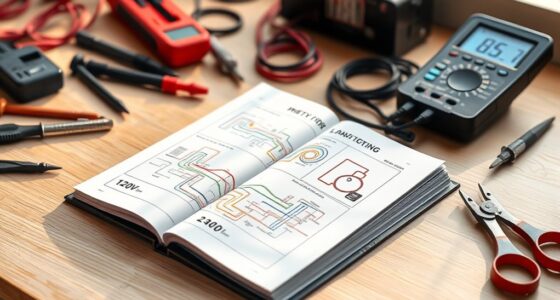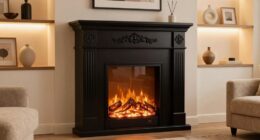
To calculate your electric fireplace’s energy use, check its wattage label or manual, which typically ranges between 750-1500 watts. Use a watt-meter to get precise, real-time measurements by plugging it into your outlet. Multiply the wattage by the hours you use it to estimate total energy consumption, then multiply that by your local electricity rate to find the cost. Keep exploring to discover more tips on maximizing efficiency and saving energy.
Key Takeaways
- Check the fireplace’s wattage rating on the unit or manual to estimate energy use.
- Use a watt-meter to measure real-time power consumption during operation.
- Calculate hourly energy use by multiplying wattage by hours of operation; consider your local electricity rate.
- Adjust settings like heat level and flame effects to see their impact on overall energy consumption.
- Perform regular maintenance to ensure efficient operation and accurate energy use measurements.
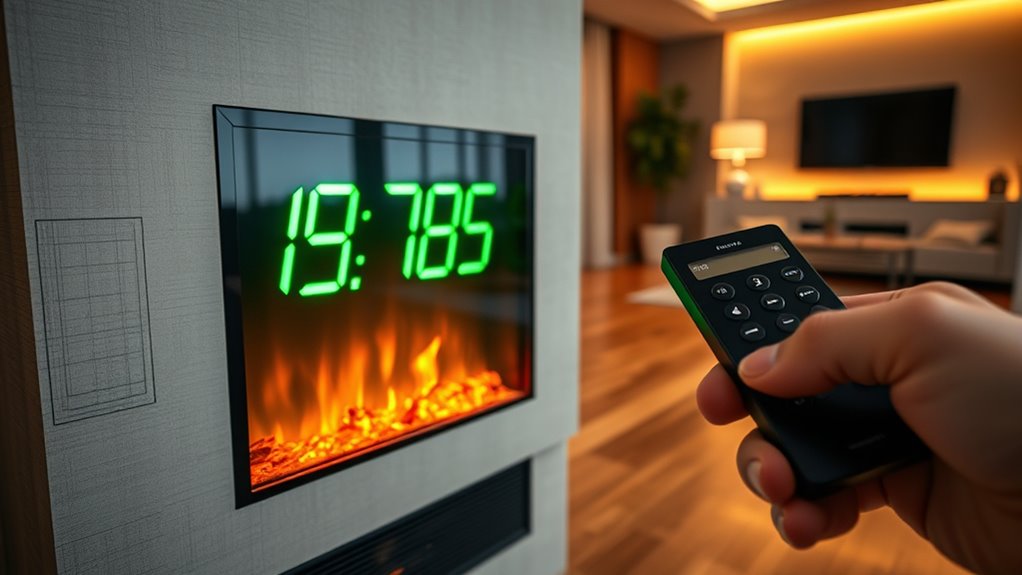
Understanding how much energy your electric fireplace uses is essential for managing your household costs and reducing your environmental impact. When you know your fireplace’s energy consumption, you can make informed decisions about usage, optimize its efficiency, and avoid unnecessary expenses. To start, check the wattage specifications provided by the manufacturer, which usually appear on the unit or in the user manual. Most electric fireplaces operate between 750 and 1500 watts, but actual energy use depends on how long you run it and the settings you choose. Using a watt-meter can give you precise measurements by plugging the device directly into the outlet, allowing you to see real-time energy consumption. This information helps you determine the cost per hour of operation, so you can plan accordingly and keep your bills in check.
It’s also important to understand how different settings impact energy use. Many electric fireplaces have adjustable heat levels and flame effects that consume varying amounts of power. Lowering the heat setting reduces energy consumption, which is especially useful during milder weather or when you mainly want the ambiance without additional warmth. Conversely, running the fireplace at high heat for extended periods will increase energy use. Knowing this allows you to balance comfort with efficiency, ultimately saving money and energy. Additionally, understanding the energy efficiency features of your unit can help you select settings that maximize savings over time.
While focusing on energy calculations, safety considerations should always be front and center. Make sure your electric fireplace is installed properly, following all safety guidelines in the user manual. Proper ventilation isn’t usually a concern with electric models, but keeping the unit away from water and flammable materials is vital. Regularly inspecting the cord and plug for damage prevents potential electrical hazards. A proactive approach to safety not only protects your household but also prolongs the life of the appliance. Incorporating routine maintenance tips, like cleaning the vents and replacing any worn-out parts, helps your fireplace operate efficiently and securely. Dust and debris can hinder performance and pose fire risks if left unaddressed.

EUHOMY 50 Inch Electric Fireplace Wall Recessed and Wall Mounted with Adjustable Flame Color, Fireplace Heater with Remote Control, Linear Fireplace with Timer, Touch Screen, Log & Crystal, 750/1500W
Package Inclusions & 2-Year Technical Support: : The EUHOMY electric fireplace is equipped with 1* carbon log, 1*...
As an affiliate, we earn on qualifying purchases.
Frequently Asked Questions
How Does Ambient Temperature Affect Energy Use?
When the ambient temperature drops, your electric fireplace uses more energy to heat the room, reducing energy efficiency. Conversely, warmer ambient temperatures mean less work for your fireplace, saving energy. You’ll notice increased energy use during cold weather, so adjusting the thermostat or using your fireplace more efficiently can help maintain energy efficiency. Keep in mind that stable ambient temperatures help your fireplace operate more efficiently, saving you money.
Can I Estimate Monthly Costs Based on Usage?
Think of your electric fireplace’s monthly costs as a weather forecast—you can predict them with good usage tracking. By noting your daily use and energy rates, you can estimate costs accurately. Cost estimation depends on consistent usage habits, so keep a log and multiply your daily use by the days in the month. This way, you gain a clear picture of your expenses and can adjust accordingly.
Do Different Fireplace Models Have Varying Energy Efficiencies?
Yes, different fireplace models do have varying energy efficiencies. Factors like fireplace insulation and venting requirements influence how effectively heat is retained and distributed. Better insulation minimizes heat loss, making your fireplace more efficient, while proper venting ensures safe, ideal operation. When choosing a model, consider these aspects to maximize energy savings and comfort. Efficient designs help you use less electricity while keeping your space warm and cozy.
How Often Should I Clean to Optimize Energy Consumption?
To keep your electric fireplace running efficiently, stick to a regular maintenance schedule and cleaning frequency. You should ideally clean it every 1-3 months, depending on usage, to prevent dust buildup and ensure ideal performance. Regular cleaning helps the unit operate smoothly, reducing energy waste. By maintaining your fireplace consistently, you’ll enjoy cozy warmth without unnecessary energy consumption, making your investment more cost-effective and environmentally friendly.
Are There Smart Features That Reduce Energy Use?
Yes, many electric fireplaces come with smart features that help reduce energy use. You can connect them to smart thermostats, allowing you to control the temperature remotely and set energy-saving schedules. These devices automatically adjust settings based on your preferences, ensuring efficient operation. Utilizing energy-saving settings on your fireplace and smart thermostat helps cut down on electricity costs while maintaining comfort in your space.
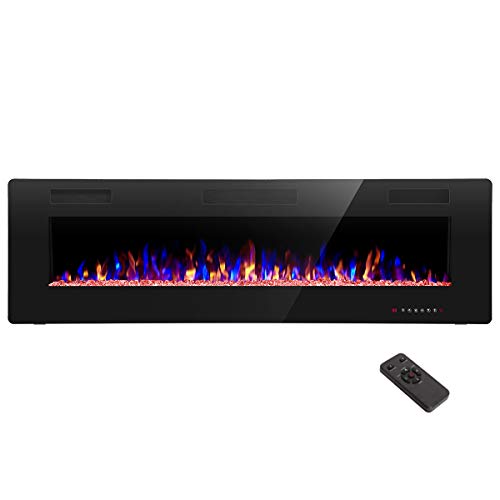
R.W.FLAME 60" Recessed and Wall Mounted Electric Fireplace, Low Noise, Fit for 2 x 6 Stud, Remote Control with Timer, Touch Screen, Adjustable Flame Color and Speed, 750-1500W
Attractive and Practical Design: 3.86"D x 60"W x 18.11"H,The thickness of the new style is only 3.86 inches...
As an affiliate, we earn on qualifying purchases.
Conclusion
Knowing how much energy your electric fireplace uses helps you save money and reduce your carbon footprint. On average, it consumes about 1.5 to 2 kWh per hour, equivalent to running a standard microwave for an hour. Imagine lighting up your living room with warmth while using just enough energy to power a small laptop—it’s efficient and cozy. Keep track of your usage, and you’ll enjoy comfort without surprises on your energy bill.

Touchstone Smart Electric Fireplace-The Sideline 50" Wide-in Wall Recessed - 30 Realistic Ember Color/Flame Options - 1,500W Heater w/Thermostat - Log & Crystal Hearth Options - Alexa/WiFi Enabled
APPEARANCE: The Sideline electric fireplace is designed for recessed in-wall mounting. Creating a cozy atmosphere of a traditional...
As an affiliate, we earn on qualifying purchases.

Westinghouse 60 Inch Electric Fireplace Heater, Compatible with Alexa & Google Home, Wall Mount or in-Wall Recessed Fireplace Insert, 24 Hour Timer, Color Changing Flames, 750W/1500W Indoor Heater
CUSTOMIZE APPEARANCE: Up to 144 total color combinations for flames and embers, 5 independent brightness levels, and 5...
As an affiliate, we earn on qualifying purchases.