
Maintaining your Keurig K-Mini Single Serve Coffee Maker is essential for ensuring it brews fresh-tasting coffee every time and prolongs its lifespan. Regular cleaning, descaling, and troubleshooting can prevent common issues like clogs, poor brew quality, or operational failures. This comprehensive guide offers step-by-step instructions to keep your Keurig in top shape, with practical tips and safety advice to ensure a safe and effective maintenance routine.

Get home appliances delivered free with Prime
- Fast, free delivery on millions of items
- Prime Video, Amazon Music and more included
- Member-only deals all year
Whether you’re a new owner or an experienced user, understanding the core maintenance tasks will help you enjoy great coffee without interruptions. Here’s what you need to know to keep your Keurig K-Mini performing at its best.
Key Takeaways
| Routine Cleaning | Regularly clean the brew assembly and exterior to prevent residue buildup. |
| Descaling Frequency | Descale every 3-6 months to remove mineral deposits and ensure optimal performance. |
| Troubleshooting | Identify common issues like clogs, leaks, or brewing errors and resolve them safely. |
| Use of Reusable Filters | Enhance your brewing options with compatible reusable filters like My K-Cup. |
| Safety Tips | Always unplug before cleaning and handle descaling solutions carefully. |
Preparing for Maintenance
Before starting any maintenance routine, ensure the Keurig K-Mini is unplugged to prevent electrical hazards. Gather all necessary supplies: a soft cloth, mild dish soap, descaling solution, and optional reusable filter. Empty the water reservoir and remove any used K-Cups or accessories. Familiarizing yourself with the parts, like the brew head and drip tray, will help you clean effectively and avoid damaging sensitive components.
Cleaning the Exterior and Water Reservoir
- Wipe down the exterior with a damp cloth to remove dust and coffee splashes. Avoid abrasive cleaners that could damage the matte finish.
- Remove the water reservoir and rinse it thoroughly with warm, soapy water. Dry it completely before reattaching.
- Clean the drip tray and any removable parts with soap and water, then dry thoroughly.
Descaling Your Keurig K-Mini
Descaling removes mineral buildup that can clog internal components and degrade brew quality. Use a descaling solution approved for Keurig machines. Follow these steps:
- Fill the water reservoir with a mixture of descaling solution and water, as per the product instructions.
- Place a large container under the brew head to catch the rinse water.
- Power on the machine and run a brew cycle without a K-Cup, repeating until the reservoir is empty.
- Let the machine sit for 20 minutes, then rinse the reservoir thoroughly and refill with fresh water.
- Run multiple water-only cycles to flush out any remaining descaling solution.
Regular descaling—every 3 to 6 months—keeps your brewer functioning smoothly and ensures great-tasting coffee.
Clearing Clogs and Troubleshooting Common Issues
If your Keurig K-Mini isn’t brewing correctly, check for common problems:
- Clogged Needle: Use a paperclip to gently clean the needle that punctures the K-Cup, removing any debris.
- Leaks or Drips: Ensure the brew head is securely in place and the drip tray is correctly positioned.
- No Water Flow: Descale if mineral buildup is suspected or check for blockages in the water reservoir.
- Brewer Not Turning On: Confirm the power cord is plugged in and the auto-off feature hasn’t been activated prematurely.
Address issues promptly to prevent further damage and enjoy consistent coffee quality.
Using Reusable Filters for Custom Coffee Blends
Enhance your brewing flexibility by using a reusable filter like the My K-Cup® Reusable Coffee Filter. This allows you to brew with your favorite ground coffee, reducing waste and expanding flavor options. To use:
- Fill the reusable filter with ground coffee, following the recommended amount for your preferred strength.
- Insert it into the brew head, ensuring it clicks into place securely.
- Run a brew cycle as usual, and enjoy your custom blend.
Always clean the reusable filter after each use to prevent buildup and ensure perfect flavor extraction.
Safety Tips and Maintenance Warnings
Always unplug the Keurig before cleaning or descaling to avoid electrical shock. Use only descaling solutions approved by Keurig, and handle them with care, following manufacturer instructions. Do not use abrasive brushes or cleaners on the exterior or internal parts. Regularly check for worn or damaged parts—replace as needed to prevent leaks or malfunctions. Keep the machine in a dry, stable location away from water spills and extreme temperatures for longevity.
The Products in This Guide
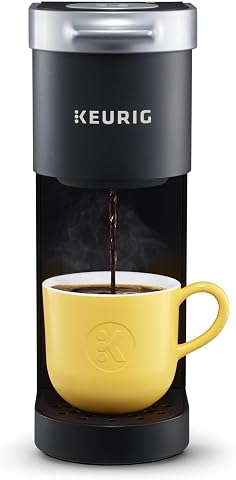
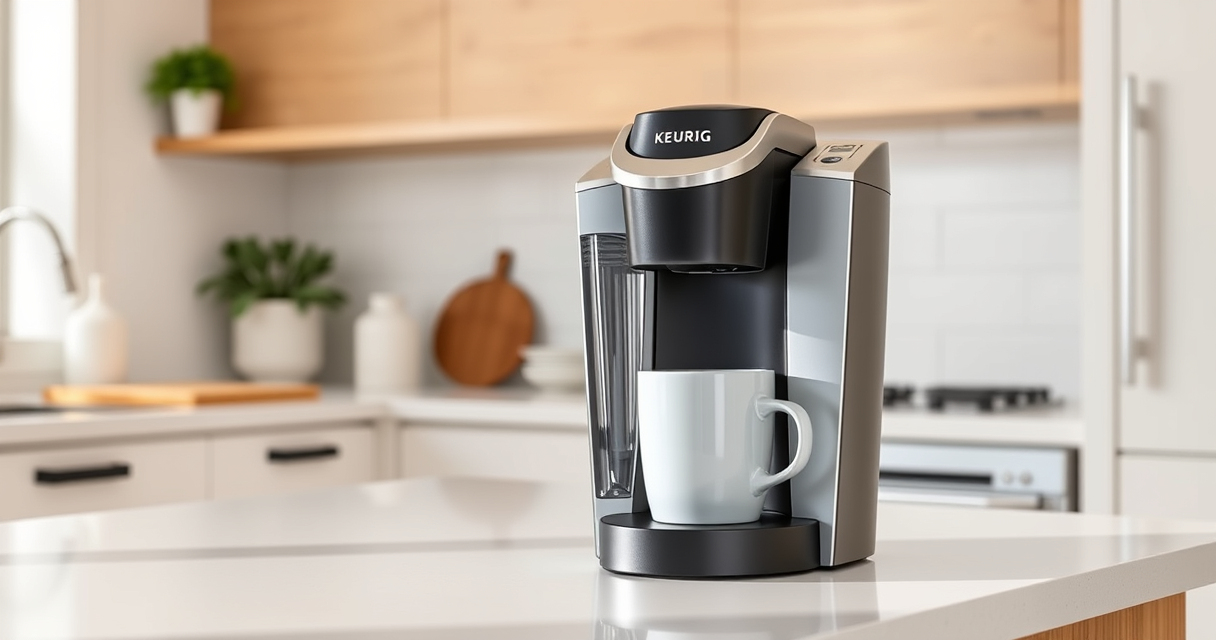
Keurig K-Mini Single Serve K-Cup Pod Coffee Maker
- ✔ Width: Less than 5 inches
- ✔ Brew Size: 6-12 oz
- ✔ Auto Off: Yes
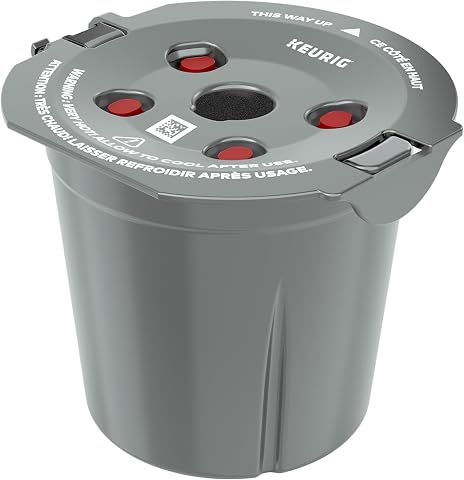
My K-Cup® Reusable Coffee Filter
- ✔ Material: Plastic & metal
- ✔ Capacity: Single serve
- ✔ Compatibility: Multiple Keurig models
Keurig K-Mini Single Serve K-Cup Pod Coffee Maker
The Keurig K-Mini is a compact, versatile coffee maker perfect for small countertops. It brews quickly and efficiently, with easy-to-use features and a sleek matte finish. Regular maintenance ensures consistent performance and great-tasting coffee every time.
Pros:
- Space-saving design
- Fast brewing time
- Removable drip tray
- Compatible with reusable filters
Cons:
- Limited brew size options
- No on/off button
- Requires frequent descaling for mineral buildup
Best for: Small apartments, offices, and travel-friendly use
Not ideal for: For those needing larger brew sizes or multi-cup capacity
Bottom line: A compact, reliable coffee maker ideal for small spaces and on-the-go brewing.
My K-Cup® Reusable Coffee Filter
The My K-Cup® Reusable Coffee Filter complements your Keurig K-Mini perfectly, allowing you to brew your favorite ground coffee while reducing waste. It’s easy to use, clean, and compatible with various Keurig models, offering flexibility for customizing your coffee experience.
Pros:
- Brew with ground coffee
- Eco-friendly and cost-saving
- Easy to clean
- Compatible with multiple Keurig models
Cons:
- Requires regular cleaning
- Slightly more effort than K-Cups
- Limited to single cup at a time
Best for: Coffee enthusiasts who prefer ground coffee and custom blends
Not ideal for: For users who prefer the convenience of K-Cups exclusively
Bottom line: A practical reusable filter that enhances your coffee options and reduces waste.
Frequently Asked Questions
How often should I descale my Keurig K-Mini?
Descale your Keurig K-Mini every 3 to 6 months, or more frequently if you notice slow brewing or mineral buildup.
Can I use ground coffee instead of K-Cups?
Yes, with a reusable filter like the My K-Cup®, you can brew your own ground coffee directly in the machine.
What should I do if my Keurig isn’t brewing properly?
Check for clogs, clean the needle, descale the machine, and ensure all parts are properly assembled. If issues persist, contact customer support.
Is it safe to clean the machine with vinegar?
While vinegar can be used for descaling, it’s recommended to use Keurig-approved descaling solutions to prevent damage and ensure safety.
How do I prevent leaks during brewing?
Ensure the brew head and drip tray are correctly installed, and avoid overfilling the reusable filter. Regular cleaning also prevents blockages.
Keep Your Keurig K-Mini Brewing Fresh and Smooth
Consistent maintenance is key to enjoying premium coffee with your Keurig K-Mini. Regular cleaning, descaling, and troubleshooting will extend the life of your machine and ensure every cup tastes just right. By following these simple steps, you can enjoy hassle-free brewing and a reliable, delicious coffee experience for years to come.
Affiliate disclosure: As an Amazon Associate we earn from qualifying purchases. Prices and availability are accurate as of the time of publishing.
Fall yard work Picks
leaf blowers
As an affiliate, we earn on qualifying purchases.